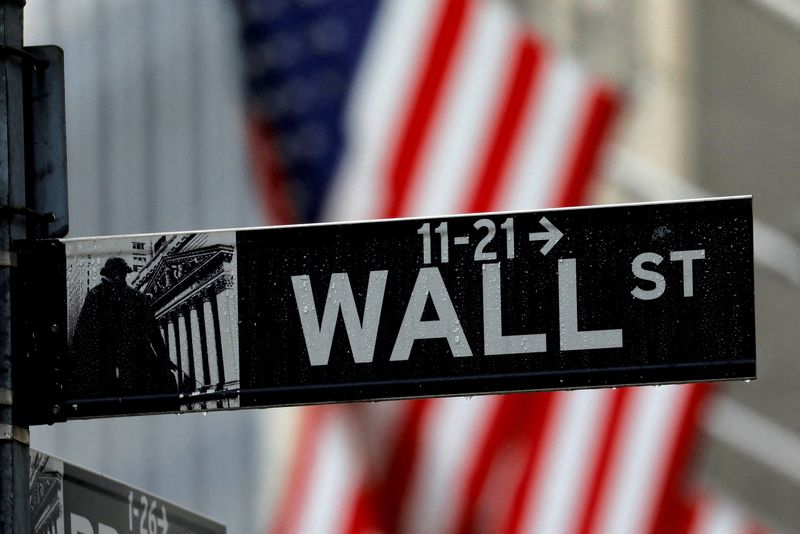
U.S. stock index futures edged higher, recovering from Friday's decline, which was triggered by weaker-than-expected August nonfarm payrolls data signaling a cooling labor market and economic slowdown exacerbated by new trade tariffs. While the dismal jobs report intensified recession concerns, it simultaneously solidified market expectations for a September Federal Reserve rate cut. Investors now await August CPI data, which will reflect tariff-driven inflation and is crucial for assessing the Fed's future easing trajectory, as sustained tariff-induced price pressures could delay subsequent rate cuts.
U.S. equity futures are indicating a modest rebound following a Friday session where indices retreated from record highs. The primary catalyst for the downturn was weaker-than-expected August nonfarm payrolls data, which has intensified concerns over a cooling U.S. labor market and a potential economic slowdown. These recessionary fears are exacerbated by the recent implementation of President Trump's trade tariffs, which are cited as a direct headwind for businesses. Paradoxically, the poor jobs report has solidified market expectations for a near-term Federal Reserve interest rate cut, thereby limiting equity losses. According to CME Fedwatch data, the market is pricing in a 91.7% probability of a 25 basis point cut at the upcoming September meeting. Investor focus now shifts to the August Consumer Price Index (CPI) data, which is critical as it will provide the first measure of the inflationary impact of the new tariffs. While this data is unlikely to influence the September decision, the Fed has previously warned that sustained tariff-induced inflation could delay future monetary easing, creating a complex trade-off between slowing growth and rising price pressures.
AI-powered research, real-time alerts, and portfolio analytics for institutional investors.
Overall Sentiment
mixed
Sentiment Score
-0.10
Ticker Sentiment
