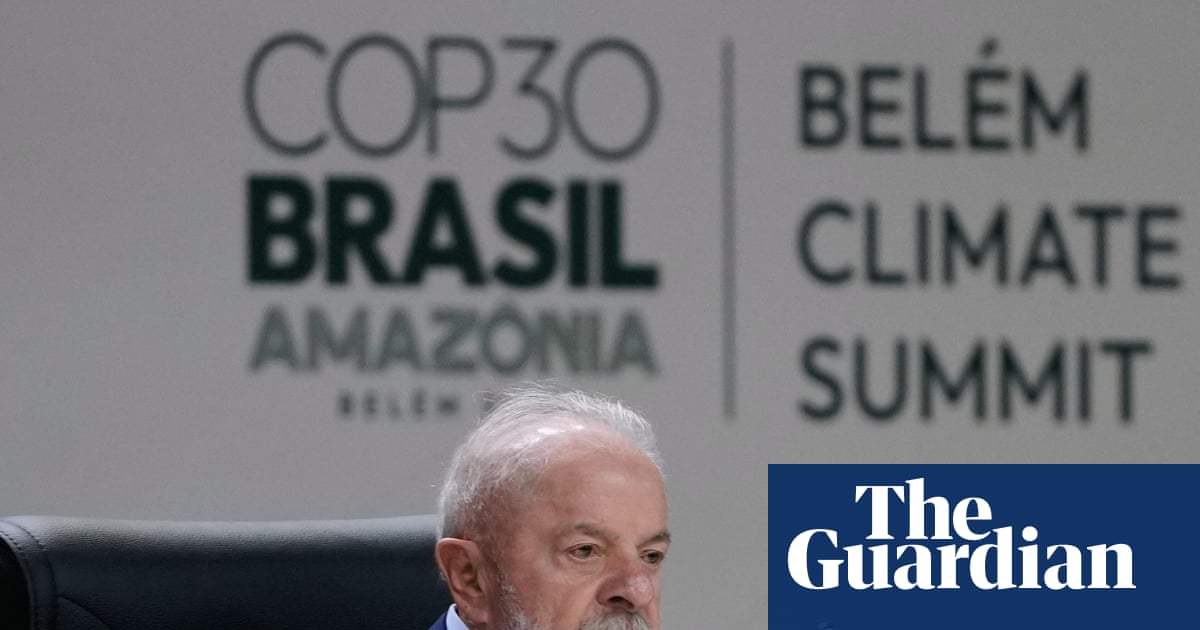
Brazil's President Lula is pursuing a contradictory agenda, achieving a 50% reduction in Amazon deforestation and seeking $125 billion for conservation, while simultaneously approving new oil and gas drilling, highway expansions, and mining projects. This dual approach, driven by political reliance on extractivist sectors, creates significant regulatory uncertainty and environmental risk for investors, highlighting a complex balance between sustainability commitments and economic development pressures in the region.
Brazil's President Lula is navigating a complex and often contradictory policy landscape, balancing significant environmental achievements with a continued push for extractivist economic development. His administration has overseen a 50% reduction in Amazon deforestation over three years, marking the smallest clearance in 11 years, and a 16.7% drop in national emissions, largely due to robust measures by Environment Minister Marina Silva. This progress is underscored by efforts to raise $125 billion for the Tropical Forest Forever Facility, which has secured $5.5 billion to date.
Concurrently, the government is advancing projects that increase environmental risk, including approving new oil and gas exploration licenses at Foz do Amazonas, planning upgrades to the BR-319 highway, and considering industrial mining in Indigenous territories. These initiatives, driven by the strong influence of agribusiness and mining sectors in Congress, contradict international climate goals and risk increased contamination and accelerated Amazon degradation. Scientists warn the Amazon is already showing signs of breakdown, with severe droughts and temperature increases, posing a global threat.
This dual approach creates substantial regulatory uncertainty and potential ESG risks for investors in Brazilian markets. While the commitment to conservation is evident through reduced deforestation and fundraising efforts, the simultaneous pursuit of fossil fuel and infrastructure projects complicates the long-term outlook for sectors tied to natural resources and climate-sensitive investments. This dynamic highlights the inherent tension between sustainability commitments and economic development pressures within an emerging market context.
AI-powered research, real-time alerts, and portfolio analytics for institutional investors.
Request DemoOverall Sentiment
mixed
Sentiment Score
-0.30
