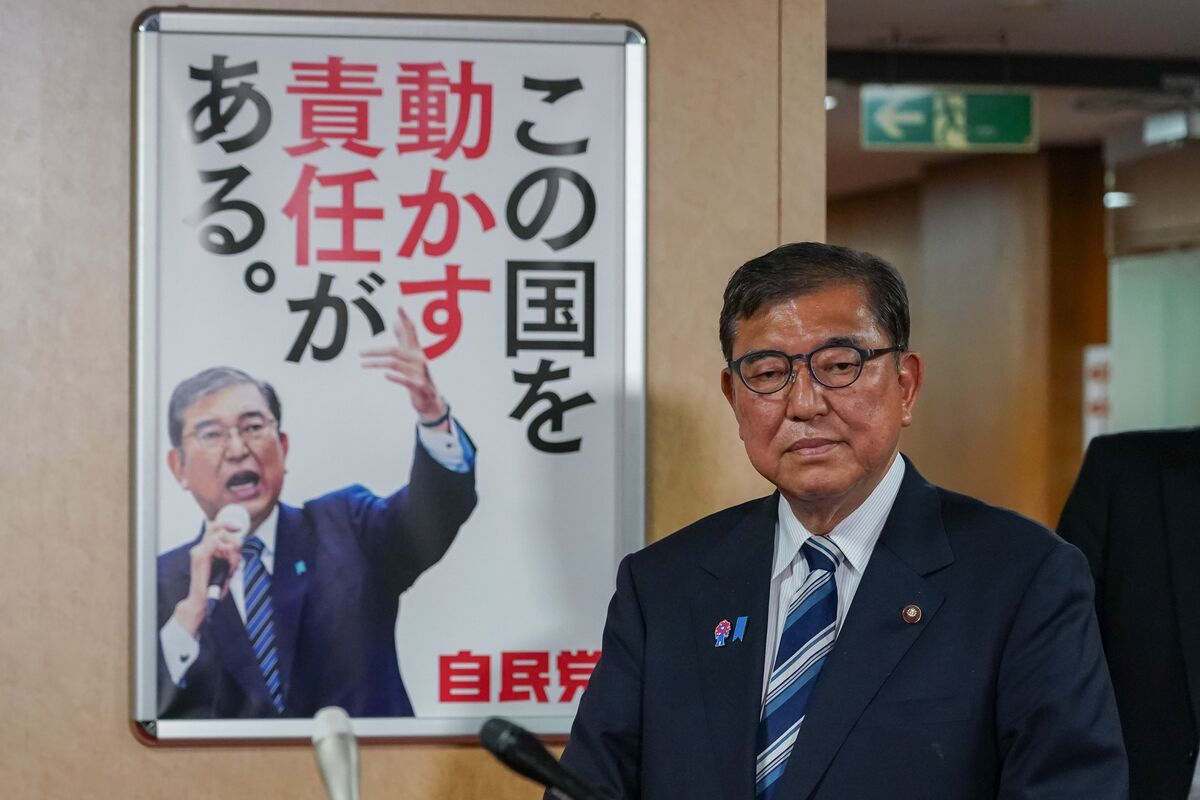
Japanese Prime Minister Shigeru Ishiba is facing significant internal party pressure and calls for his resignation following a dismal showing in last month's upper house elections. Ishiba, however, remains defiant, refusing to step down and vowing to defend his position, indicating a looming political test for his leadership and potential for continued instability within Japan's political landscape.
Japanese Prime Minister Shigeru Ishiba is facing a significant leadership challenge from within his own party, stemming from a weak showing in the recent upper house elections. This internal dissent has created a climate of political uncertainty, with Ishiba's refusal to resign setting up a crucial political test this Friday. The situation points to potential instability in Japan's governing party, which could impact policy continuity. The associated sentiment score of -0.25 reflects this negative political development, although the low market impact score of 0.3 suggests that, for now, investors do not perceive this as a major market-moving event. However, a prolonged or disruptive leadership struggle could erode investor confidence and affect market stability in the medium term.
AI-powered research, real-time alerts, and portfolio analytics for institutional investors.
Request DemoOverall Sentiment
mildly negative
Sentiment Score
-0.25
