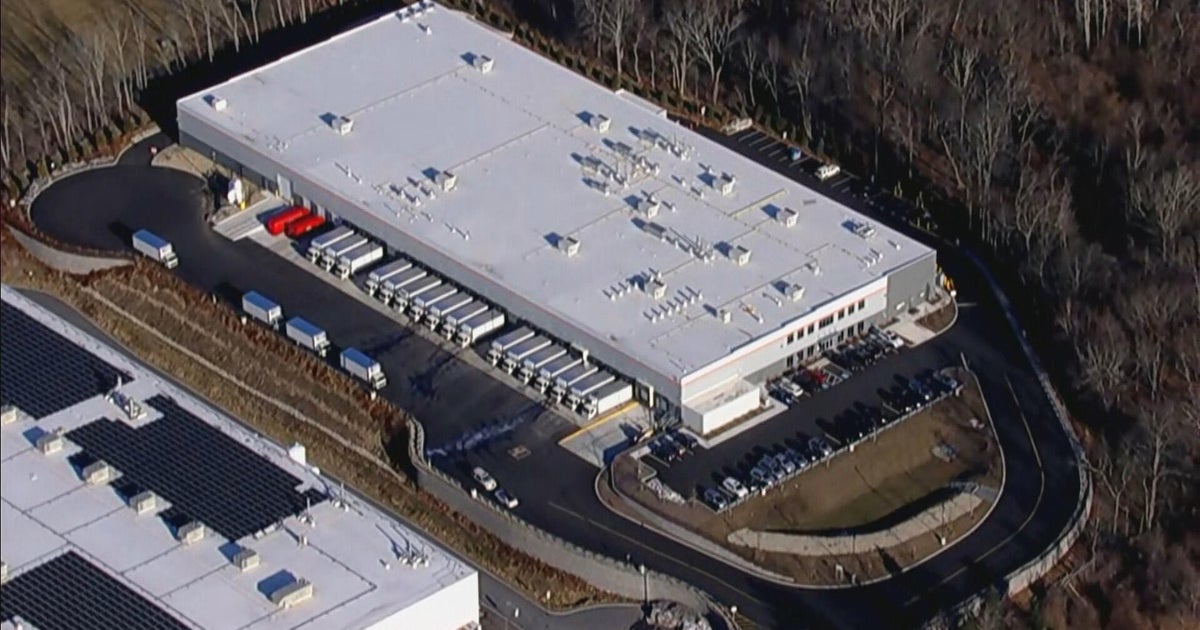
Cafua Management Company’s newly built 93,500-square-foot Haverhill facility, the largest bakery supplying Dunkin' in the U.S. and serving more than 200 shops, is drawing neighbor complaints about an overpowering fried-dough odor despite the company’s statement that it produces one million donuts a day, uses new equipment, and meets regulatory standards. The company sought permits to store thousands of gallons of shortening oil and diesel in above-ground tanks; city councilors have requested health inspections and will revisit the matter in January, creating a localized regulatory and reputational risk for Cafua and its Dunkin' franchise partners but with limited near-term material financial impact.
Market structure: This is a localized operational/regulatory shock to contract food manufacturing (Cafua is private) with limited near-term impact on national QSR sales. Winners are environmental services, HVAC/filtration OEMs and local legal/remediation contractors (potential +5–20% revenue bump regionally over 3–12 months); losers are small private bakers and single-site franchisees who face permit/upgrade costs (capex spike 5–15% of site-level opex). Pricing power for national QSRs (MCD, SBUX) is unchanged; niche suppliers with thin margins see margin compression.
Risk assessment: Tail risk includes municipal fines, temporary shutdowns, or state-level stricter emissions rules leading to multi-week closures (low probability, high impact) and potential class-action suits that could raise compliance costs across the sector by +2–4% of revenue. Immediate window: next 30–90 days as Haverhill health inspectors report; short-term: regulatory attention could spread regionally over 3–12 months; long-term: durable capex/permit cost increases for food manufacturers beyond 12 months. Hidden dependency: franchise agreements and supplier concentration — a disruption at a major contract bakery can disrupt store-level supply chains and short-term sales.
Trade implications: Favor small tactical longs in remediation/industrial filtration names and avoid adding exposure to regional contract bakers or niche packaged-bakery stocks. Use options to express asymmetry (buy-limited) around the 30–90 day inspection outcome. Portfolio tilt: mild rotation from small-cap food suppliers into industrial services and selected industrial-tech names over 1–6 months.
Contrarian angles: Consensus will treat this as nuisance noise; the market underprices regulatory spillover risk — a single well-publicized event can trigger city/state reviews across manufacturing clusters, creating recurring demand for remediation and HVAC upgrades. Historical parallels: industrial odour/regulatory crackdowns in food processing (2015–2018) led to 12–18% multi-quarter revenue boosts for remediation contractors; similar asymmetric payoff exists here if inspections find violations.
AI-powered research, real-time alerts, and portfolio analytics for institutional investors.
Request DemoOverall Sentiment
mildly negative
Sentiment Score
-0.25
