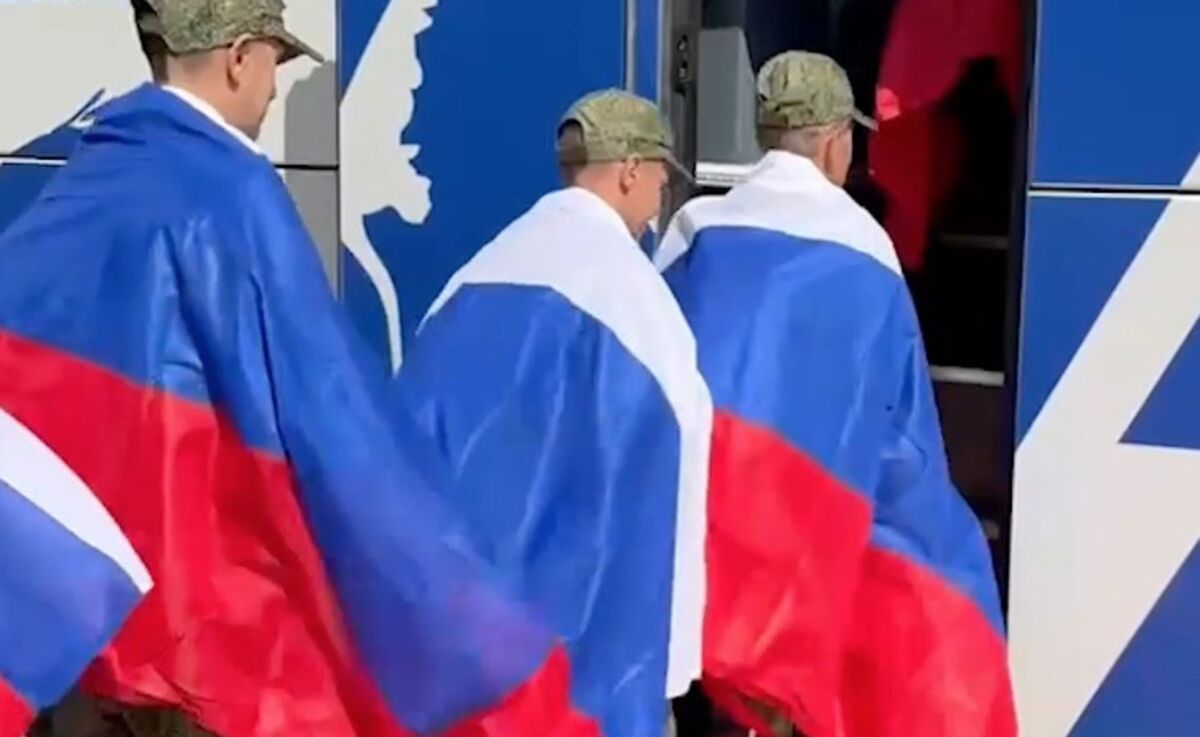
Russia and Ukraine completed a prisoner of war exchange on Sunday, mediated by the United Arab Emirates, marking the latest in a series of such swaps this year. This ongoing, third-party facilitated humanitarian channel signals a continued, albeit limited, avenue for communication between the warring nations, potentially contributing to a marginal reduction in geopolitical tensions.
A prisoner of war exchange between Russia and Ukraine, mediated by the United Arab Emirates, occurred on Sunday. This event represents the latest in a series of such swaps this year, indicating the establishment of a recurring, albeit narrow, humanitarian channel between the two warring nations. The involvement of the UAE as a third-party mediator highlights a continued avenue for limited, indirect communication. However, the neutral sentiment and zero market impact score signal that financial markets do not view this development as a significant de-escalation or a precursor to a broader resolution of the conflict. While a positive humanitarian gesture, the event does not alter the fundamental geopolitical risk assessment associated with the ongoing war.
AI-powered research, real-time alerts, and portfolio analytics for institutional investors.
Request DemoOverall Sentiment
neutral
Sentiment Score
0.00
