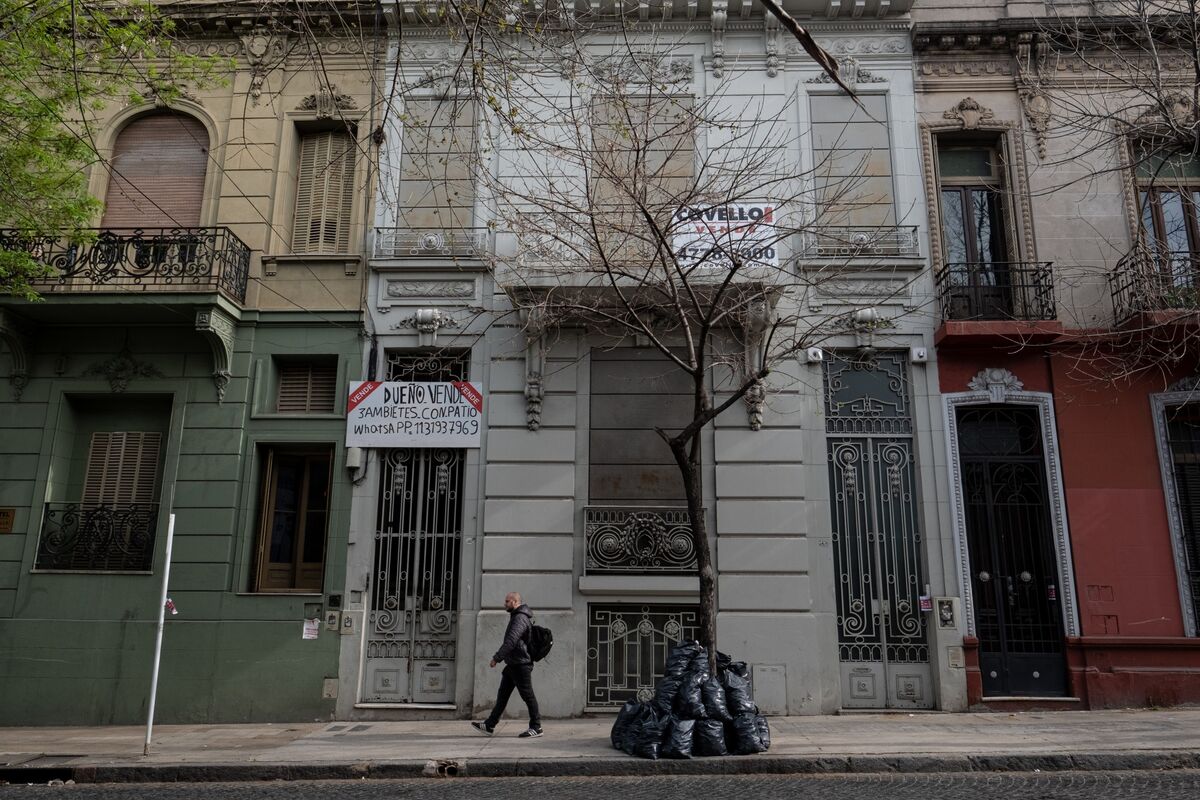
Argentina's mortgage rates have surged to 15% amid a deepening "Peso Crisis," directly challenging President Milei's economic agenda and disrupting efforts to normalize the financial sector. This instability has thwarted plans by institutions like Banco Nacion to fund domestic mortgages through international bond sales, underscoring the ongoing difficulty in overcoming Argentina's history of inflation and currency volatility.
Argentina's financial normalization efforts are facing a significant setback as a renewed "Peso Crisis" has driven mortgage rates to 15%. This spike has directly upended plans by state-owned Banco Nacion to raise capital through a Wall Street bond sale, a mechanism intended to fund a nascent mortgage market and signal a return to stability. The derailment of this initiative is particularly damaging as it was seen as a crucial step in moving Argentina away from its long-standing, cash-only real estate transaction model, a consequence of decades of hyperinflation, currency volatility, and sovereign defaults. The current crisis not only stalls progress in the housing sector but also presents a direct challenge to President Milei's broader economic reform agenda, highlighting the profound difficulty in restoring investor confidence and overcoming the country's legacy of macroeconomic instability. The 15% rate effectively freezes the potential for a credit-based housing market, reinforcing the pessimistic outlook for the nation's short-term economic prospects.
AI-powered research, real-time alerts, and portfolio analytics for institutional investors.
Request DemoOverall Sentiment
strongly negative
Sentiment Score
-0.60
