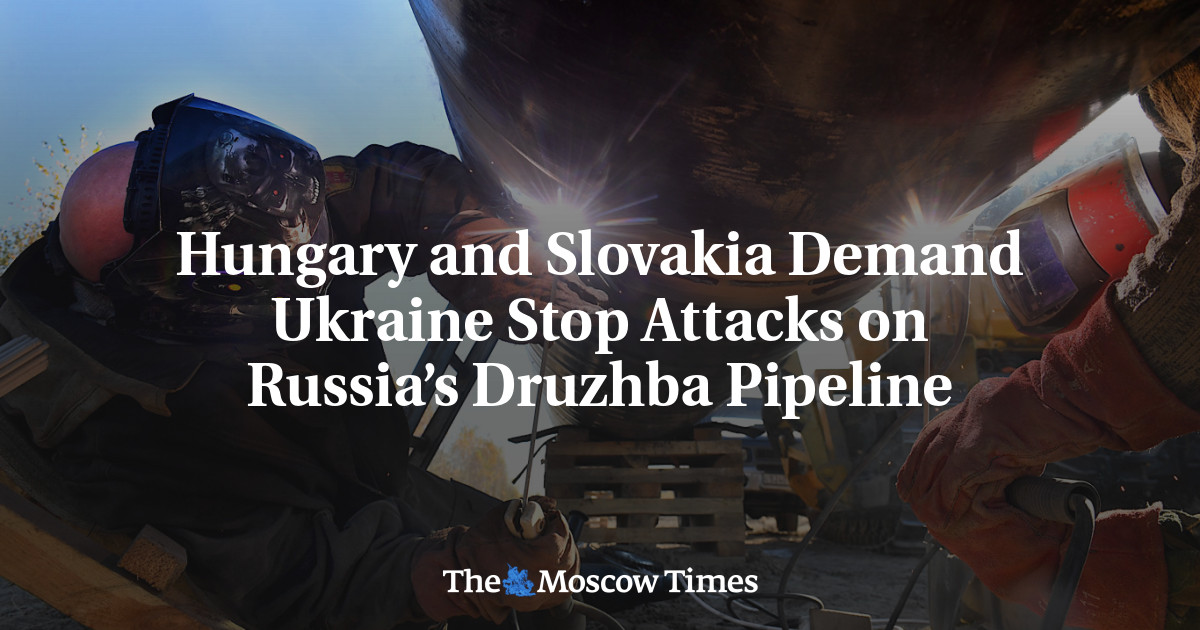
Hungary and Slovakia are urging the European Commission to intervene after the Druzhba oil pipeline, a critical energy supply route, suffered its third disruption in under two weeks due to Ukrainian drone and missile attacks. The latest strike near the Russian-Belarusian border halted oil deliveries to both nations, raising significant energy security concerns for these EU member states, which rely on the pipeline exempt from broader Russian oil import bans. These escalating attacks on Russian oil infrastructure underscore persistent geopolitical risks to regional energy supply chains and Ukraine's strategy to pressure Russia.
The repeated targeting of the Druzhba oil pipeline by Ukrainian forces marks a significant escalation in geopolitical risk for European energy markets. With the third disruption occurring in less than two weeks, the attacks have successfully halted oil deliveries to Hungary and Slovakia, two EU member states heavily reliant on this specific supply route, which is notably exempt from the EU's broader ban on Russian oil imports. The joint call from Hungary and Slovakia for European Commission intervention underscores rising political tensions within the EU over energy security and the collateral impacts of the war. These strikes are consistent with Ukraine's broader strategy of crippling Russian oil infrastructure, a campaign that has already driven domestic Russian fuel prices to record highs. The incidents highlight the persistent vulnerability of critical cross-border energy infrastructure and introduce a new layer of supply-side uncertainty for regional commodity markets.
AI-powered research, real-time alerts, and portfolio analytics for institutional investors.
Request DemoOverall Sentiment
moderately negative
Sentiment Score
-0.50
