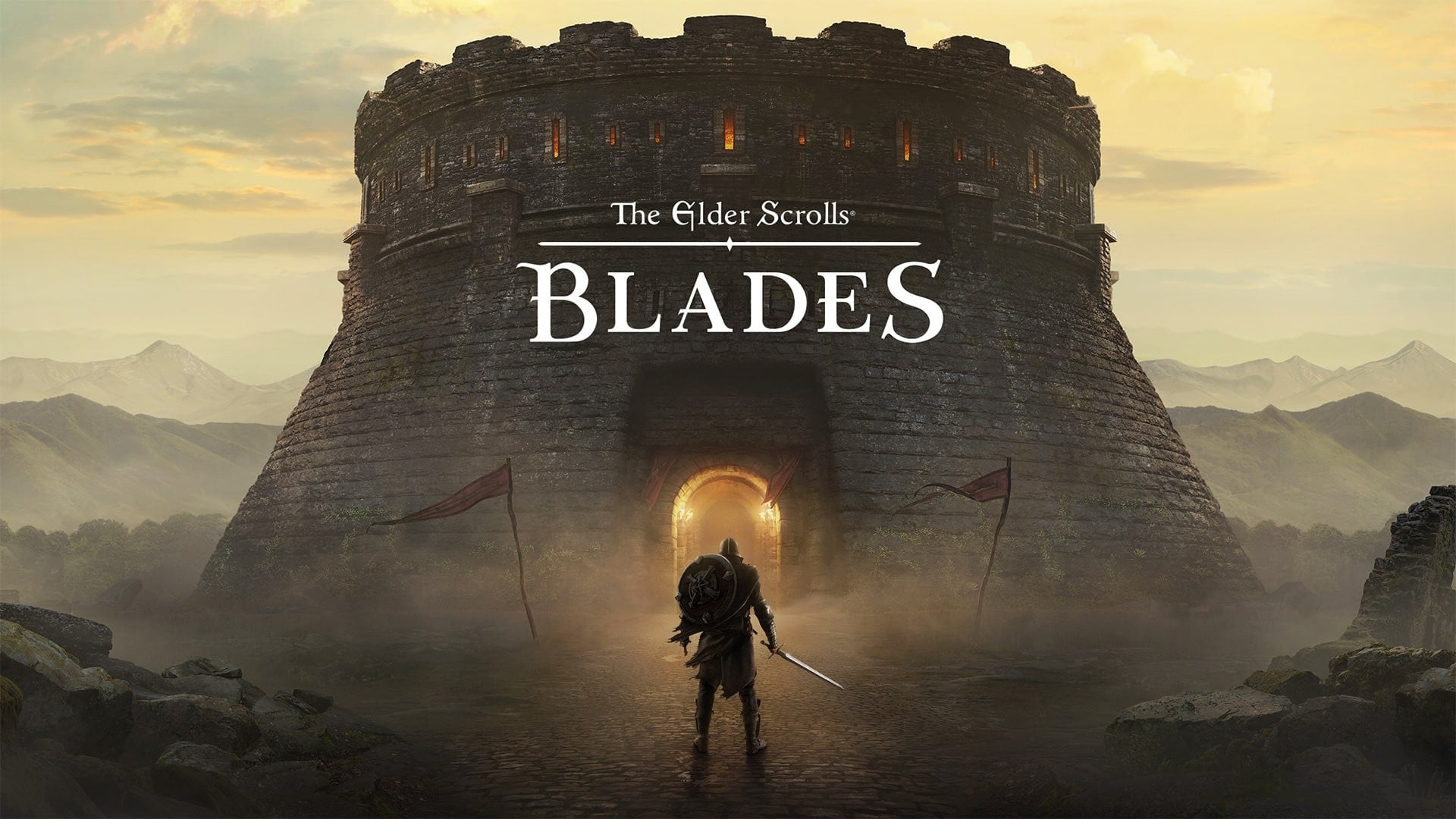
Servers for Bethesda's free-to-play mobile title The Elder Scrolls: Blades will permanently shut down on June 30, 2026, making the game inaccessible across all platforms including the Switch eShop. From now until that date, all in-game store items are discounted to 1 Gem or 1 Sigil. The game supported cross-play/cross-progression and received multiple updates (including Switch motion controls) during its lifetime; this is an operational shutdown with minimal broader market impact.
This shutdown is a microcosm of a larger strategic pivot: platform owners are increasingly comfortable pruning marginal live-service mobile titles when user acquisition and retention economics no longer clear the cost of ongoing ops and content. Expect a modest but ultimately positive P&L effect for the parent — labor and cloud costs for persistent multiplayer/live-op tooling are concentrated lines that can be redeployed to higher-return AAA and Game Pass content; those redeployments typically realize visible margin improvements over 6–18 months as headcount and third‑party hosting spend is rationalized.
Incumbent mobile F2P operators are the obvious tactical beneficiaries — they can scoop up churned players and reallocate UA spend more efficiently than a first-party group treating mobile as a strategic loss-leader. This favors companies with flexible UA engines and low CPA-to-LTV breakeven (e.g., top-campaign performers) and puts incremental pressure on ad‑network pricing for mid-tier studios. Tool and middleware vendors (analytics, live-ops tooling) will see a small reallocation of spend rather than a permanent demand collapse; contracts may shorten, but average spend per surviving title could rise.
Key catalysts to watch in the next 3–12 months: quarterly commentary from Microsoft on mobile strategy and headcount changes in Bethesda/ZeniMax, shifting UA pricing in app stores, and quarterly DAU/retention trends reported by public mobile incumbents. Tail risks are reputational blowback in communities that can amplify negative sentiment around first-party stewardship of legacy IP and the possibility that other low-ROI titles are quietly decommissioned, creating short-term execution noise. A contrarian angle: investors who dismiss this as noise may underprice the near-term margin upside from reallocated operating spend at the parent, which can compound if paired with content cadence improvements.
AI-powered research, real-time alerts, and portfolio analytics for institutional investors.
Request DemoOverall Sentiment
neutral
Sentiment Score
0.00
