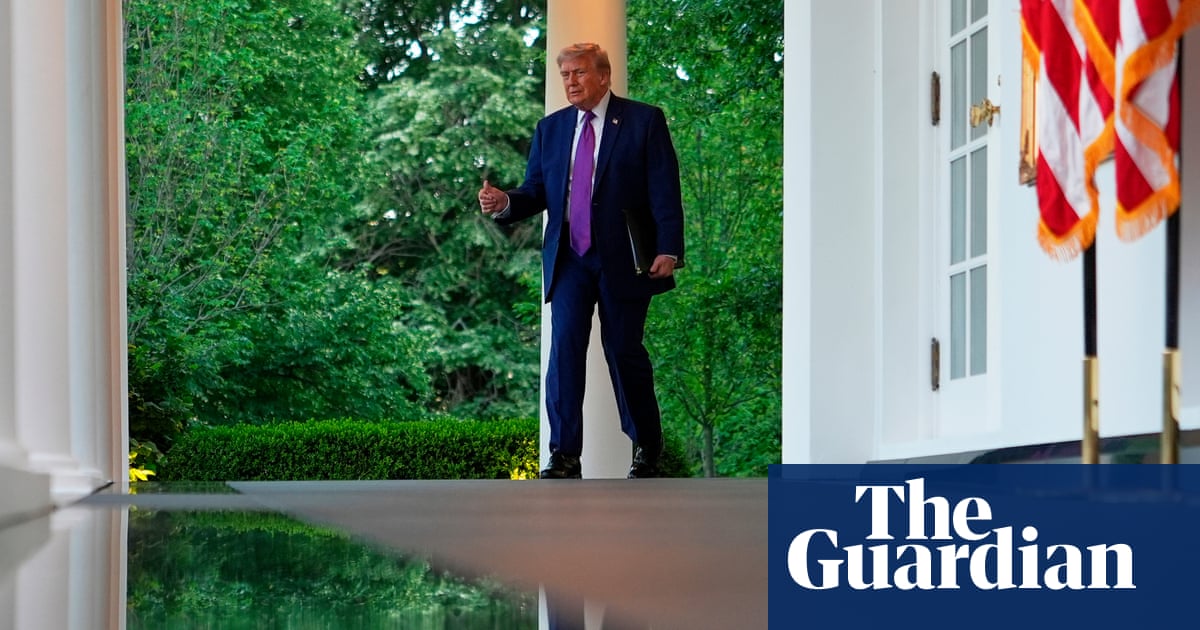
Trump said the ceasefire with Iran is on "life support" after rejecting Iran’s peace proposals and said he is considering restarting US Navy escorts through the Strait of Hormuz. The rhetoric raises the risk of renewed disruption to a critical oil chokepoint, helping explain the latest jump in oil prices. Broader market tone is risk-off given the potential for further escalation and shipping disruption.
The immediate market read is not just higher crude; it is a higher probability distribution around shipping disruption, which tends to steepen the front end of the oil curve and widen tanker/insurance premia before any barrels are actually lost. That matters because the first-order move in Brent can be only the beginning: if carriers reroute or require naval escort, freight costs and delivery times rise even without a formal supply cut, creating a second-order inflation impulse into refined products and Asia-linked manufacturing inputs.
The biggest near-term beneficiary is not necessarily upstream producers but any asset tied to regional security premiums and energy volatility monetization. The more interesting loser is domestic political capital around de-escalation, because each failed negotiation increases the odds of a stop-start headline tape that keeps implied volatility elevated for weeks, which usually benefits option sellers only after the event window passes. For equities, that argues for favoring cash-generative energy names with low geopolitical beta over highly levered refiners and industrials exposed to input-cost spikes.
ICE is an underappreciated spillover name because its relevance is not the content of the article but the regime: persistent uncertainty typically boosts trading volumes, energy hedging activity, and derivatives turnover, even if the direct per-ticker read is mildly negative in the data. The contrarian point is that the market may be overpricing a clean supply shock and underpricing a negotiated corridor/escort solution; if naval escorts resume, the worst-case supply loss may be avoided quickly while volatility remains elevated. That favors trading the volatility itself rather than making a pure directional oil bet.
The key catalyst window is days, not months, for a further headline-driven gap higher in crude, but the more durable macro effect would take several weeks if shipping insurance and freight rates remain elevated. If diplomacy reopens or the navy escort plan is implemented, crude could retrace sharply even while volatility stays bid, so structure matters more than outright exposure.
AI-powered research, real-time alerts, and portfolio analytics for institutional investors.
Request DemoOverall Sentiment
strongly negative
Sentiment Score
-0.55
Ticker Sentiment
