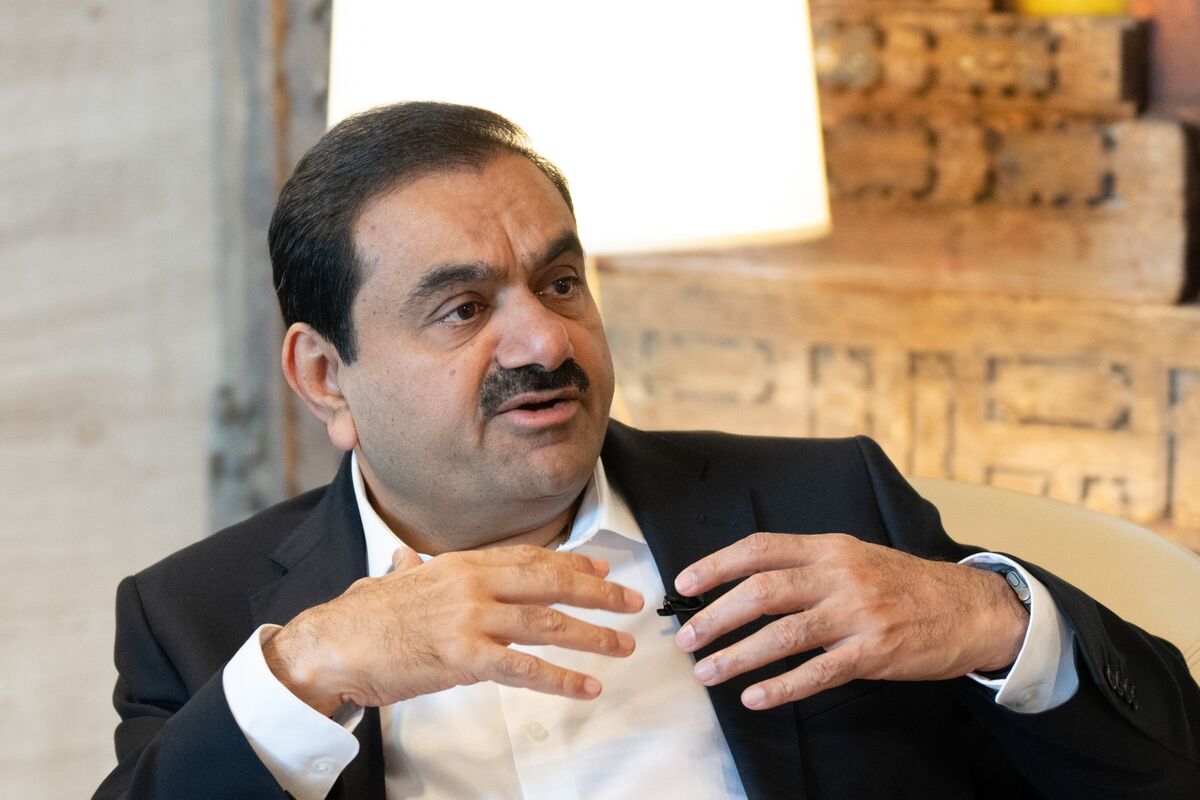
Adani Airport Holdings will invest 200 billion rupees ($2.1 billion) to develop integrated airport cities across Mumbai, Navi Mumbai, Ahmedabad, Lucknow, Jaipur, and Guwahati. The projects will bundle hospitality, retail, entertainment, and commercial hubs, expanding the conglomerate beyond aviation into non-aeronautical real estate and consumer-facing businesses. The announcement is constructive for Adani’s growth outlook, but the immediate market impact is likely limited to the company and related real estate/infrastructure names.
This is less an airport-capex story than a land-value capture strategy: the operating asset shifts from a throughput business to a real-estate monetization platform. The second-order winner is the ecosystem around the airports — mall operators, branded hospitality, commercial developers, and local construction/materials suppliers — because integrated precincts tend to pull premium tenant demand and drive longer-duration cash flows than aeronautical revenues alone. The key dynamic is that Adani is effectively underwriting an urbanization theme with captive footfall, which can compress payback periods for adjacent land and improve financing terms if pre-leasing is visible. The biggest loser is not airlines per se, but competing urban retail and office districts that rely on distributed demand; a successful airport-city model can siphon high-income spend and business services away from older CBDs over a 3-7 year horizon. There is also a procurement bottleneck risk: large mixed-use developments are highly exposed to execution slippage in approvals, utilities, and last-mile connectivity, so the market may be overestimating the speed at which this capex becomes revenue-accretive. If real estate markets soften, these projects can turn into capital sinks before they become cash engines. The contrarian view is that the market may be too quick to price this as purely positive for all airport-linked assets. The more likely near-term effect is margin dilution from upfront spend, with monetization delayed until tenant absorption and traffic density prove out; that favors patience over chasing the first announcement pop. The real optionality sits in adjacent infrastructure and homebuilders that benefit from corridor development, not necessarily in the airport operator itself until there is evidence of leasing velocity and asset-light partnerships. Catalysts to watch over the next 6-18 months are land approvals, anchor tenant announcements, and whether the company uses asset sales/JVs to de-risk the balance sheet. If pre-leasing or commercial JV structures emerge, the equity story improves meaningfully; if not, the trade becomes a leverage-and-capex execution story vulnerable to rate hikes or slower passenger recovery.
AI-powered research, real-time alerts, and portfolio analytics for institutional investors.
Request DemoOverall Sentiment
mildly positive
Sentiment Score
0.34
