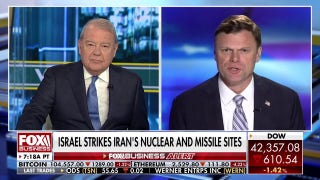
Oil prices jumped on Friday following Israeli strikes on Iran, with U.S. West Texas Intermediate rising about 6% to $72 a barrel and Brent crude increasing as much as 10% to its highest level since January. The price surge reflects market concerns that escalating tensions could disrupt Iranian energy supplies, potentially driving prices higher if Iran retaliates or if exports through the Strait of Hormuz are affected. However, some analysts suggest the initial price spike may be an overreaction, particularly given the lack of reported damage to oil infrastructure and doubts about Iran's ability to close the Strait of Hormuz.
Oil prices experienced a significant surge following reports of Israeli military strikes targeting Iran's nuclear facilities and military leaders, reflecting acute market concerns over potential disruptions to Iranian energy supplies. U.S. West Texas Intermediate (WTI) prices climbed approximately 6% to $72 a barrel, while global benchmark Brent crude rose by as much as 10%, reaching its highest level since January and trading around $73.50 per barrel as of noon ET. The primary driver for this volatility is the fear of Iranian retaliation, which Andy Lipow of Lipow Oil Associates suggests could target Israeli or American assets, potentially leading to a major military escalation and significant oil supply disruption. Lipow quantifies this risk, estimating that a complete loss of Iranian oil could elevate prices by up to $7.50 per barrel, with a more severe scenario involving the disruption of oil exports through the Strait of Hormuz potentially pushing prices to $100 per barrel. He also noted Iran might perceive recent OPEC+ supply increases as a measure to counteract potential Iranian export losses. Conversely, Phil Flynn of The PRICE Futures Group posits that prices may not escalate uncontrollably, citing the current lack of reported damage to oil infrastructure and expressing skepticism about Iran's capability to shut down the Strait of Hormuz, particularly after key Iranian Revolutionary Guard leaders were reportedly killed. Flynn suggests that markets often 'overreact in the beginning' to such geopolitical events before prices cool down, implying oil prices might stabilize at a 'more fairly priced' level. The prevailing market sentiment is 'moderately negative' with an 'uncertain' tone, and the high 'market_impact_score' of 0.8 underscores the gravity of the geopolitical tensions on energy markets.
AI-powered research, real-time alerts, and portfolio analytics for institutional investors.
Request DemoOverall Sentiment
moderately negative
Sentiment Score
-0.55
Ticker Sentiment
