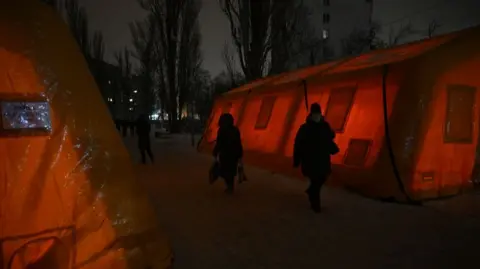
Russian strikes on Ukraine's energy infrastructure have left almost 6,000 Kyiv apartment blocks without heating after the overnight bombardment into 24 January, contributing to about a million Ukrainians lacking heating amid sub‑15°C temperatures. The attacks — the third major strike on heating infrastructure in little more than two weeks — exploit Soviet‑era centralized district heating (about 11 million households relied on central heating pre‑2022), disrupting power and water and prompting Ukrainian plans to require individual heating points at apartment blocks to reduce systemic vulnerability.
Market structure: The immediate winners are suppliers of LNG, backup generation and decentralised heating equipment (heat pumps, modular boilers, insulation) and defense contractors supplying strike-resistant infrastructure; losers are centralised utility operators, Ukrainian sovereign credit and households exposed to communal heating (≈11m households nationally). Centralisation creates high single-point failure risk, boosting short-term spot demand for gas/LNG and medium-term capex for decentralisation, shifting pricing power toward global LNG sellers and equipment OEMs.
Risk assessment: Tail risks include sustained Russian strikes or wider escalation that trigger EU emergency gas purchases and a TTF spike of +50–150% over weeks (systemic recession risk) or, alternatively, a quick ceasefire that causes rapid mean reversion; Ukrainian CDS and UAH are first-order casualty assets within days. Immediate (days): front-month gas and power volatility; short (0–6 months): defense and emergency capex orders; long (1–5 years): structural retrofit/heat-pump adoption and materials demand (insulation, piping).
Trade implications: Trade to express optionality in gas (short-dated calls or front-month futures) and structural exposure to LNG exporters, defense primes and heat-pump/insulation names while avoiding leveraged utility balance-sheet risk. Use relative-value: long LNG exporters/shipping vs short European centralized utilities; prefer options to capture spikes and limit downside if a ceasefire occurs.
Contrarian angles: The market consensus may overweight pure defense longs and neglect commodity/logistics winners (LNG shipping, LNG sellers) and retrofit suppliers which can compound returns over 12–36 months. Also national support for utilities can blunt shorts — size accordingly and use event-based triggers (14+ days of continuing strikes) to scale in or out.
AI-powered research, real-time alerts, and portfolio analytics for institutional investors.
Request DemoOverall Sentiment
moderately negative
Sentiment Score
-0.50
