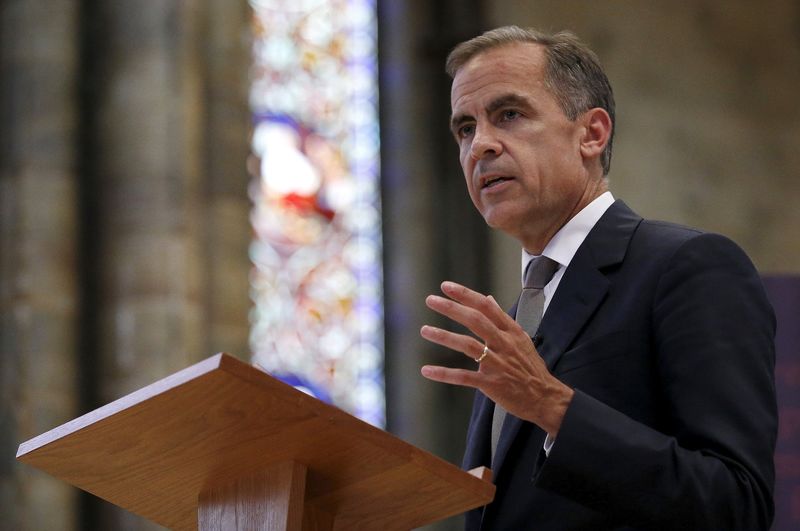
Canadian Prime Minister Mark Carney stated that the outlook for a tariff-free trade agreement with the U.S. is bleak, following President Trump's announcement of a new 35% tariff on Canadian goods set to take effect August 1. This levy, justified by the U.S. as combating fentanyl trafficking and addressing unfair Canadian dairy practices, significantly escalates trade tensions and challenges sectors reliant on tariff-free access, with Washington now linking economic considerations to broader security concerns. Carney indicated Canada's limited room to maneuver amidst the U.S.'s increasingly protectionist stance, focusing on damage control.
A significant escalation in U.S.-Canada trade tensions is underway, following the U.S. announcement of a new 35% tariff on Canadian goods effective August 1. This measure, which Canadian Prime Minister Mark Carney described as making the outlook for a tariff-free agreement "bleak," moves beyond existing sector-specific duties and introduces a broad-based levy. The White House has linked the tariff to non-economic issues, specifically citing fentanyl trafficking and dairy trade practices, indicating a strategic shift to intertwine trade policy with national security concerns. Despite the existing U.S.-Mexico-Canada Agreement (USMCA), which Carney noted provides "almost free trade for the moment," this new action underscores the persistent risk of unilateral tariffs. Carney's remarks suggest Canada has limited room to maneuver and is focused on damage control, highlighting the challenging environment for jurisdictions negotiating with an increasingly protectionist U.S. administration.
AI-powered research, real-time alerts, and portfolio analytics for institutional investors.
Request DemoOverall Sentiment
strongly negative
Sentiment Score
-0.60
Ticker Sentiment
