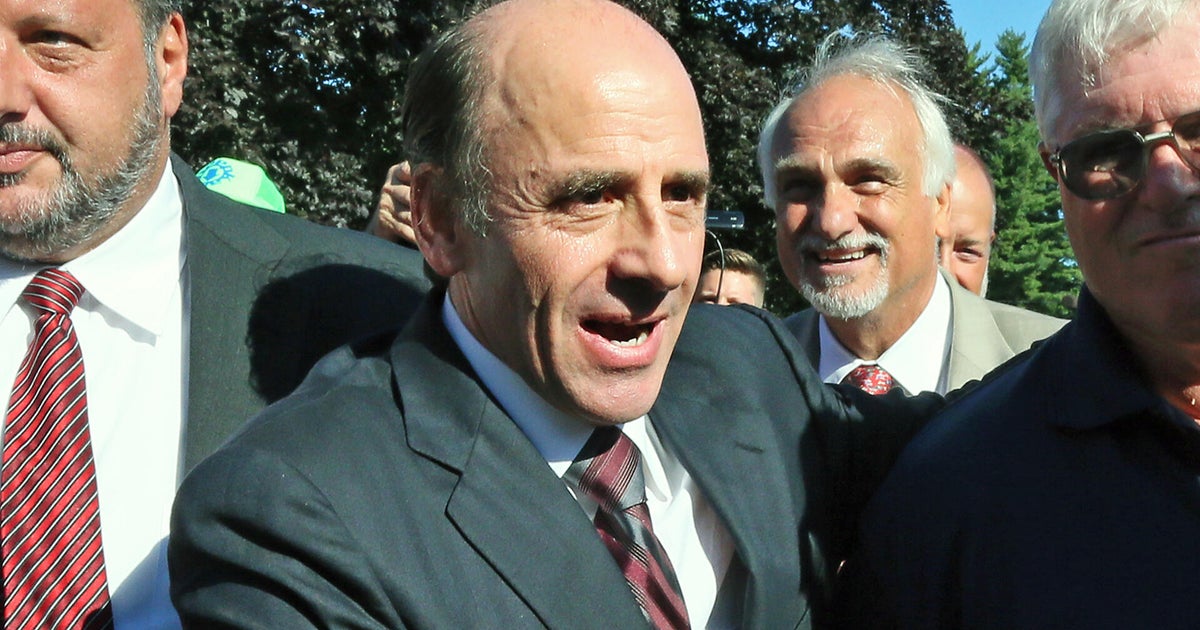
A Delaware judge ruled that Market Basket’s board was justified in firing CEO Arthur T. Demoulas, finding no bad faith by the majority of directors. The ruling supports the board’s claim that Demoulas’ resistance to oversight and potential work-stoppage risk threatened the company, while the company said it will remain family-owned and is not for sale. Don Mulligan continues as interim CEO.
This is less a single-company governance story than a template for how Delaware courts will treat founder-style control when the board can frame actions as preserving enterprise value rather than extracting it. The immediate market read should be that management entrenchment is harder to defend when the board can document credible operational risk; that tends to raise the expected cost of future proxy fights across closely held consumer names, especially where family ownership and employee loyalty are strategically intertwined. The second-order effect is on operating continuity, not just optics. Market Basket’s edge is built on very low prices, high turnover, and unusually strong labor/customer trust; a prolonged succession battle could degrade supplier confidence, freeze capex, and distract from pricing execution at the worst possible time for a grocery chain facing sticky wage inflation. If interim leadership is seen as merely custodial, the business can keep humming; if it turns into a multi-quarter ownership dispute, the risk is margin slippage via weaker vendor terms and lower employee engagement. The contrarian view is that the legal win may be a commercial loss if the board overestimates its own ability to replicate the founder’s operating discipline. In grocery, the difference between a great operator and a merely competent one compounds slowly but meaningfully: 20-40 bps of gross margin or labor efficiency can translate into a material valuation delta over several years. The current outcome likely reduces near-term litigation overhang, but it also increases the probability of a quieter, slower value erosion if the successor lacks the same informal control over execution and culture. Catalyst horizon is medium term: days for relief that the board’s authority is validated, months for evidence on whether customer traffic and employee retention remain intact, and 12-24 months for any visible deterioration in pricing power or productivity. The key reversal signal would be a negotiated settlement that restores some operating role to the founder or a credible external CEO search that reassures suppliers and employees. Absent that, the stock/ownership value is likely to be driven by governance stability rather than headline legal outcomes.
AI-powered research, real-time alerts, and portfolio analytics for institutional investors.
Request DemoOverall Sentiment
neutral
Sentiment Score
-0.10
