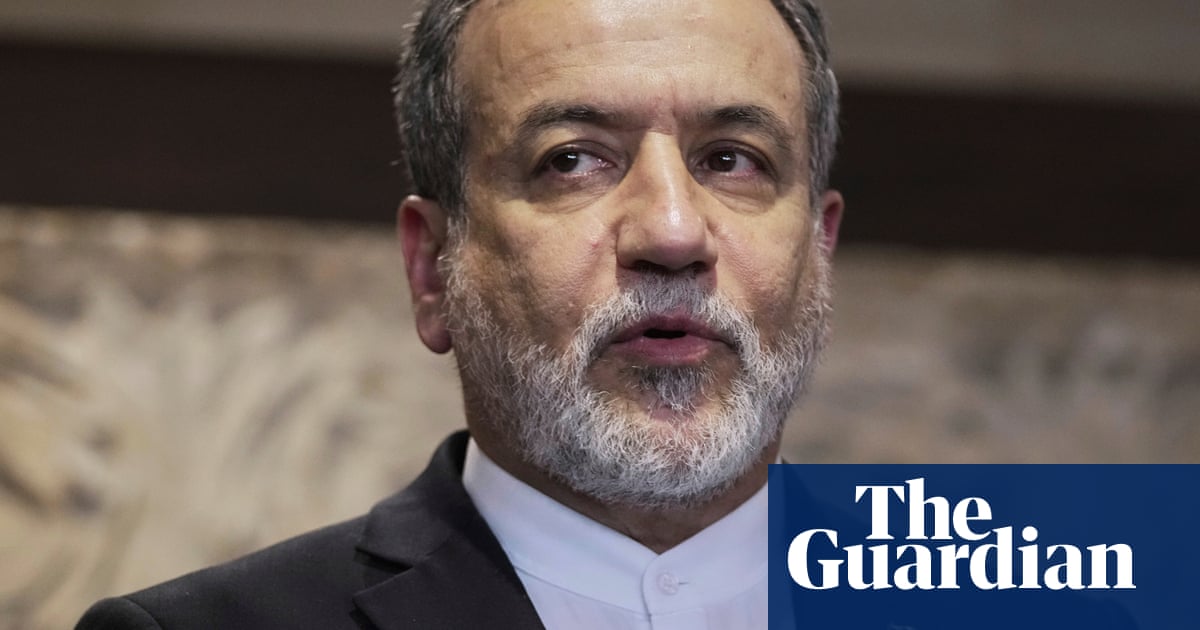
The foreign ministers of the UK, France, and Germany are planning a meeting with Iranian Foreign Minister Abbas Araghchi in Geneva to discuss Iran's nuclear program following five days of Israeli attacks on Iranian military and nuclear sites. This marks the first potential face-to-face diplomatic meeting since the Israeli attacks began, coordinated with the US, and focusing on Iran's willingness to reduce its nuclear program. The meeting occurs amidst heightened tensions, with Iran claiming self-defense and reaffirming its commitment to diplomacy, while the US demands complete elimination of Iranian domestic enrichment.
A potential diplomatic meeting in Geneva between the foreign ministers of the UK, France, Germany, and Iran's Abbas Araghchi signals a fragile attempt at de-escalation following five days of Israeli attacks on Iranian military and nuclear sites. This prospective engagement, the first face-to-face diplomatic contact since the recent hostilities commenced, would be coordinated with the US and aims to address Iran's nuclear program, specifically its willingness to reduce or close it. However, the diplomatic landscape is fraught with tension; Iran has refused direct talks with the US envoy, Steve Witkoff, citing ongoing Israeli assaults allegedly approved by the US, and insists its actions are in self-defense while reiterating a commitment to diplomacy and a non-nuclear weapons stance. This contrasts sharply with US President Trump's demands for Iran's unconditional surrender and the complete elimination of domestic enrichment. The European trio, signatories to the 2015 nuclear deal from which the US withdrew in 2018, are advocating for diplomatic space and de-escalation, a distinct approach from the US. The situation carries a 'mixed' sentiment and 'uncertain' tone, underscored by a high market impact score of 0.7, reflecting the substantial geopolitical risks and potential for market volatility, particularly concerning energy prices and regional stability.
AI-powered research, real-time alerts, and portfolio analytics for institutional investors.
Overall Sentiment
mixed
Sentiment Score
-0.10
