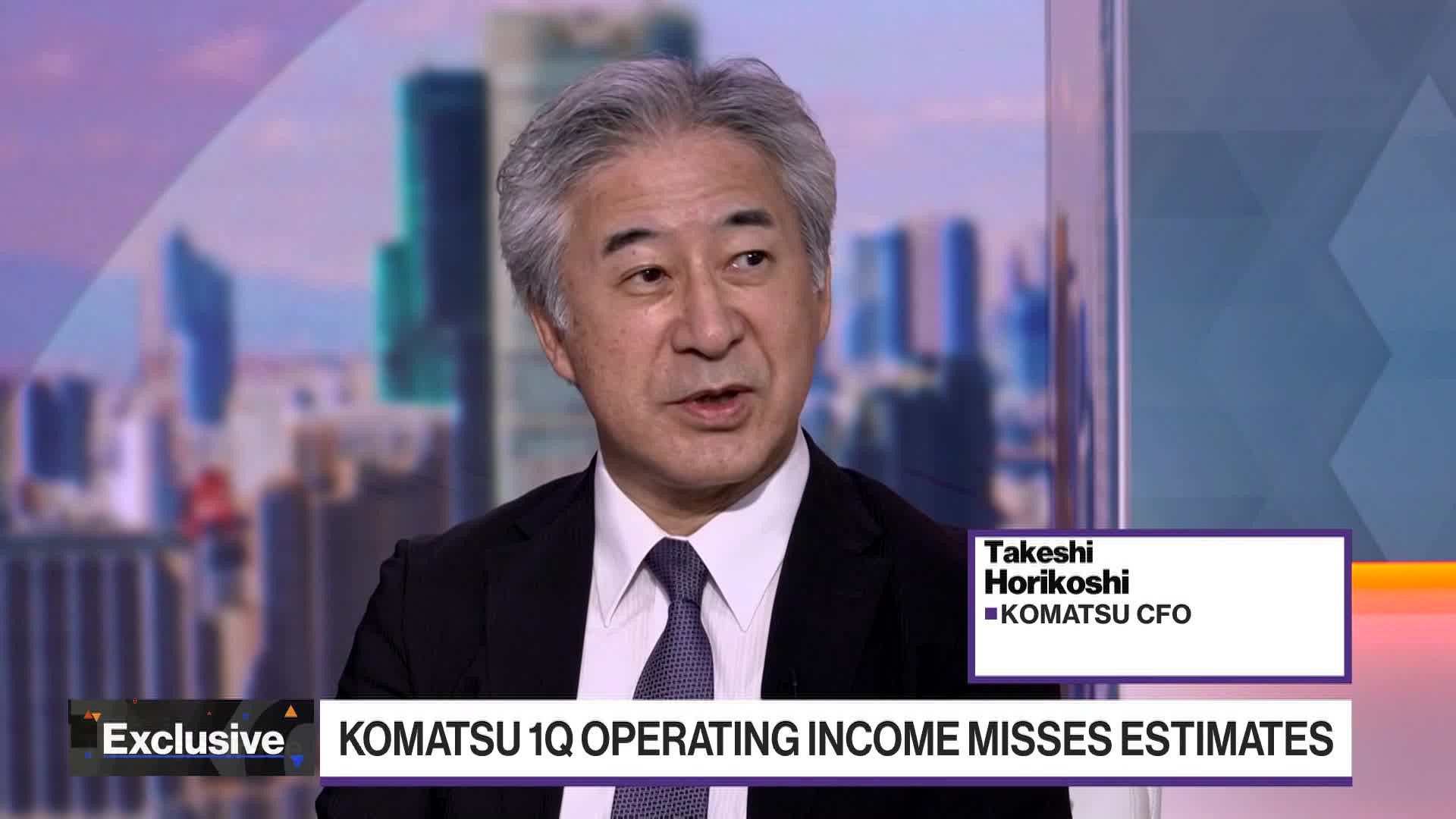
Komatsu's CFO, Takeshi Horikoshi, projects a $550 million reduction in the company's profits this fiscal year due to US tariffs, even following a reduction in Japan's levy rate. This highlights the substantial and ongoing financial impact of trade policies on global industrial manufacturers, providing a specific financial outlook from a key player in the sector.
Komatsu's Chief Financial Officer, Takeshi Horikoshi, has provided specific and negative forward-looking guidance, projecting a $550 million adverse impact on the company's profits for the current fiscal year. This significant earnings headwind is attributed directly to US tariffs, a notable point given that it persists even after Washington implemented a reduction in Japan's levy rate. The statement quantifies the material and ongoing financial pressure that trade policies exert on the company's bottom line. This guidance, classified with a strongly negative sentiment, frames tariffs not as a transient issue but as a core factor eroding profitability, directly impacting the company's fundamental outlook and signaling persistent cost challenges for the global industrial machinery sector.
AI-powered research, real-time alerts, and portfolio analytics for institutional investors.
Request DemoOverall Sentiment
strongly negative
Sentiment Score
-0.70
