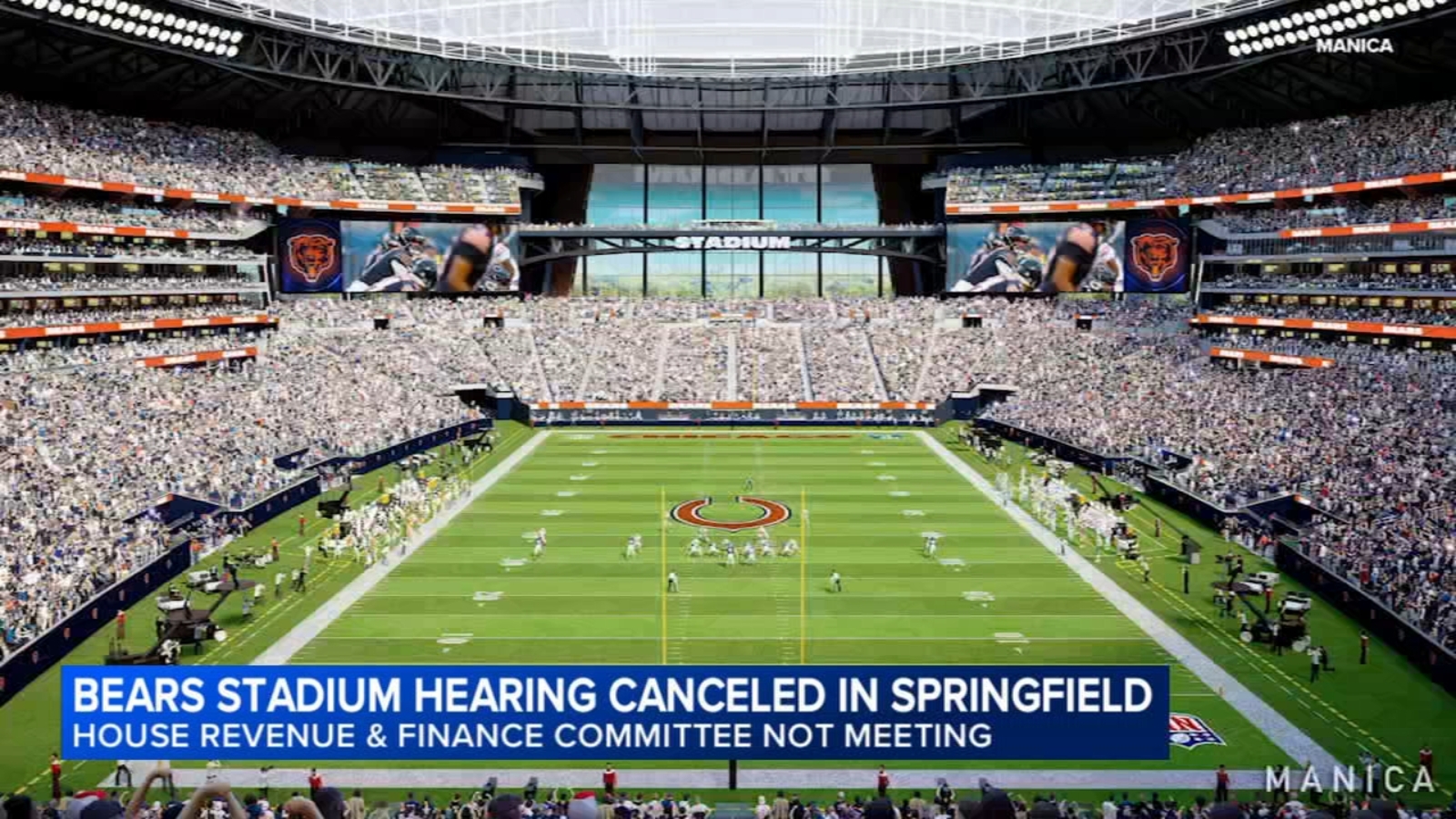
Indiana legislators advanced an amendment to SB 27 to create a Northwest Indiana Stadium Authority and a framework to support the Chicago Bears' potential move to a proposed Wolf Lake site in Hammond, with the team reportedly committing $2 billion toward construction. The proposal contemplates new regional food, beverage and innkeepers taxes to fund stadium and infrastructure costs and is contingent on site-specific due diligence; meanwhile an Illinois committee hearing on a competing 'Mega Project' tax break for Arlington Heights was canceled. The development shifts momentum toward Indiana but remains uncertain until final negotiations and due diligence conclude, carrying localized fiscal and tax implications rather than broad market impact.
Market structure: A Hammond stadium would directly benefit regional heavy/civil contractors, aggregate producers and engineering firms (price power for aggregates and mobilization services near Wolf Lake). Hospitality (Marriott/Marriott Intl. MAR; Hilton/HLT) and regional transport will see demand spikes during construction and opening years; Illinois firms and Arlington Heights real-estate beneficiaries lose optionality and potential tax subsidies. Expect a 12–36 month construction-driven demand shock that could lift local materials prices 5–15% and bid margins for civil contractors by several hundred basis points if capacity tightens.
Risk assessment: Tail risks include Bears reversing course, SB27 stalling, or legal/environmental injunctions—each could wipe out near-term construction demand (low probability, high impact). Immediate (days) volatility centers on legislative votes; short-term (weeks–months) on due diligence outcomes and financing commitments; long-term (3–7 years) on regional tax base shifts and recurring operations revenue. Hidden dependencies: federal environmental permits, remediation costs at Wolf Lake, and inter-state tax agreements that can delay or double capex; key catalysts are SB27 final passage and a signed LOI from the Bears within 60–120 days.
Trade implications: Tactical longs on construction-materials and civil-engineering leaders (MLM, VMC, J/ACM) for 6–18 months to capture procurement and mobilization upside; use call-spreads to limit premium risk. Opportunistic buy of properly secured Hammond/Lake-County muni paper if project-backed yields exceed comparable Illinois munis by >50–75bps or if yield-to-worst >3.75% (target 2% portfolio allocation, 3–5 year duration cap). Avoid levered long exposure to Illinois “mega-project” plays until legislative clarity—reduce Illinois muni exposure by 1–2% if SB27 progresses.
Contrarian angles: The market underestimates remediation and infrastructure carry costs—cost overruns >25–50% are plausible, compressing contractor margins and pushing project refinancing risk into the muni market. Historical parallels (NFL stadium builds) show frequent 12–36 month delays and material cost inflation; trades should be conditionally scaled to pass/fail legislative and due-diligence triggers (re-rate on LOI within 90 days). A successful Indiana project could create durable regional tourism uplift (5–10% local hotel RevPAR uplift over 3 years) but is binary—position sizes should reflect that binary payoff.
AI-powered research, real-time alerts, and portfolio analytics for institutional investors.
Request DemoOverall Sentiment
mildly positive
Sentiment Score
0.25
