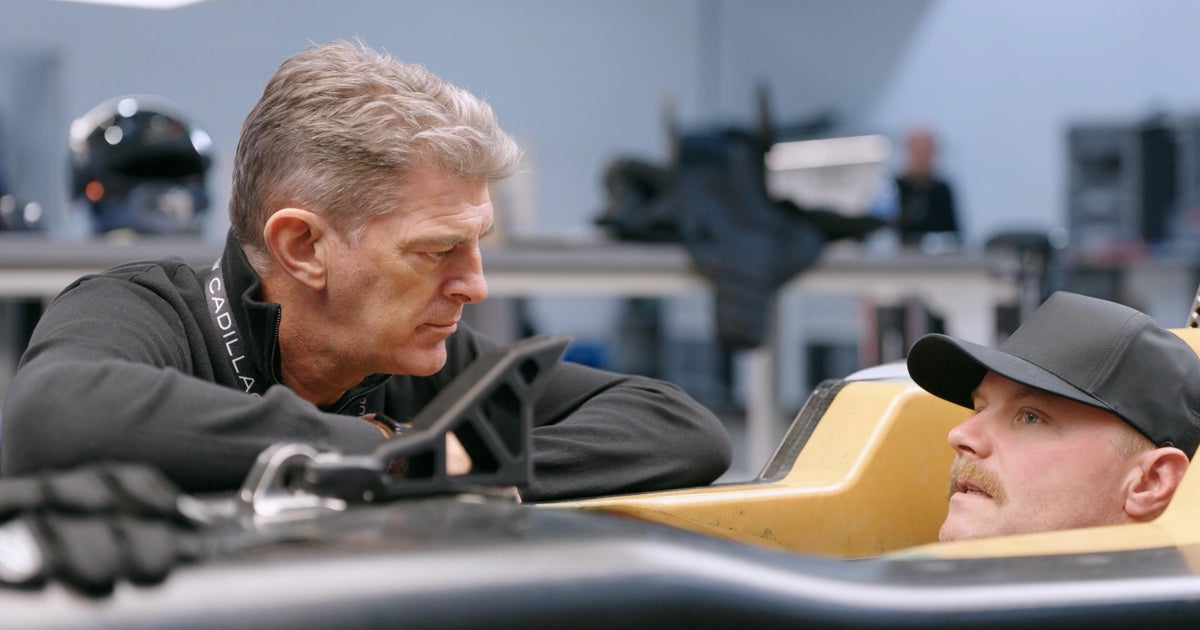
Cadillac has launched a factory-backed Formula One team for the 2026 season, unveiling a Super Bowl spot and livery while hiring over 500 staff from some 143,000 applicants and establishing facilities in Indiana, North Carolina and Silverstone. The roster features veterans Valtteri Bottas and Sergio Perez (16 combined GP wins, >500 starts) and is positioned to leverage rising U.S. F1 viewership (average per Grand Prix rose from 554,000 to 1.3 million over eight years), but industry veterans caution that competitive performance and race wins are likely several seasons away, implying brand and marketing upside now with a long runway before material financial or competitive returns.
Market structure: Cadillac’s F1 entry is a branding and R&D play that benefits GM (GM) via long‑duration brand equity, aero/powertrain suppliers (carbon‑fiber, wind‑tunnel vendors) and media partners (NFLX) through incremental viewership; incumbents (Ferrari/RACE) face minimal near‑term market share loss but increased competition for engineering talent and sponsorship dollars. Expect modest demand uptick for specialty composites and simulation services (+5–10% sector revenue lift over 2–3 years) while overall OEM pricing power is unchanged in the near term.
Risk assessment: Tail risks include cost overruns, FIA regulatory shifts, or poor on‑track results that could create reputational damage and force incremental capex; low‑probability but high‑impact: a major rule change within 12–24 months could render current designs obsolete. Immediate (days) market moves will be headline driven and small; short term (3–12 months) watch GM guidance and hiring/capex disclosures; long term (2–5 years) is where ROI and EPS impact materialize.
Trade implications: Direct trades: asymmetric, low‑beta exposure to GM equity and credit to capture brand optionality while limiting downside from upfront spending; tactical call spread on NFLX to capture F1‑driven viewership spikes around 3–6 month catalysts. Sector rotation: overweight specialty industrials (composites, simulation software) by 1–2% vs. broad auto suppliers, underweight high‑beta luxury auto exposure until on‑track performance is proven.
Contrarian angles: Consensus expects slow on‑track progress — markets may underprice long‑term merchandising, licensing and EV halo benefits; if Cadillac achieves top‑6 finishes in 1–2 races in year 2, retail sentiment and earnings multiple could re‑rate GM by 10–15%. Conversely, spend overruns or a failed marketing rollout (measured by <5% lift in Cadillac brand consideration in next 12 months) would be a catalyst to widen credit spreads and compress equity multiples.
AI-powered research, real-time alerts, and portfolio analytics for institutional investors.
Request DemoOverall Sentiment
mixed
Sentiment Score
0.12
Ticker Sentiment
