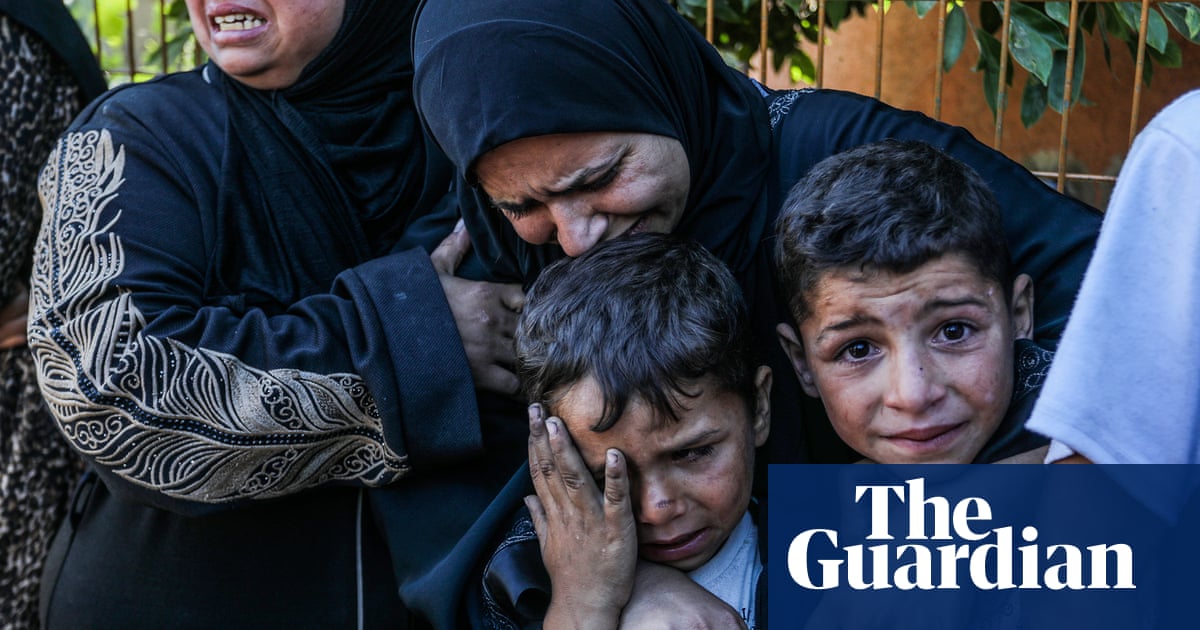
Israel has reportedly agreed to a US-backed ceasefire proposal for Gaza involving a phased hostage release and aid delivery, though details remain undisclosed. While the White House confirmed Israel's agreement, Hamas is reviewing the plan but indicates its terms do not meet their demands for a complete end to the war and withdrawal of Israeli troops. The proposal, guaranteed by the US, Egypt, and Qatar, aims for a 60-day ceasefire and the release of hostages in exchange for Palestinian prisoners; however, deep divisions persist, potentially hindering a lasting resolution.
Israel has reportedly agreed to a US ceasefire proposal for Gaza, a development confirmed by White House spokesperson Karoline Leavitt, although Prime Minister Netanyahu's office has not officially confirmed these reports. The proposal, purportedly presented by 'US President Donald Trump’s Middle East envoy Steve Witkoff,' outlines a 60-day ceasefire involving an initial release of 28 Israeli hostages (both alive and deceased) in exchange for 125 Palestinian prisoners and the remains of 180 deceased Palestinians, with aid to Gaza contingent on Hamas's approval and the plan guaranteed by 'Trump and mediators Egypt and Qatar.' Hamas is currently reviewing the plan but has expressed significant reservations, stating its terms reflect Israel's position and lack commitments to end the war, withdraw Israeli troops, or ensure aid access as Hamas demands. This situation echoes previous failed attempts to sustain a ceasefire, with fundamental disagreements persisting: Israel demands Hamas's complete disarmament and the return of all 58 remaining hostages before ending the war, while Hamas insists on Israeli troop withdrawal and a commitment to end the conflict. Humanitarian concerns are acute, with the UN warning of famine risk for two million people in Gaza; a US-backed aid operation by the Gaza Humanitarian Foundation has expanded but faced criticism and a chaotic start, including an incident where Israeli troops fired on a crowd, killing at least one civilian and injuring dozens, thereby increasing international pressure on Israel. Despite envoy Steve Witkoff expressing optimism about a long-term resolution, the prevailing 'mixed' sentiment and 'uncertain' tone underscore the fragility of the current diplomatic efforts amid the ongoing conflict that began in October 2023, which has resulted in over 54,000 Palestinian deaths according to Gaza health officials, following the Hamas attack that killed 1,200 in Israel.
AI-powered research, real-time alerts, and portfolio analytics for institutional investors.
Request DemoOverall Sentiment
mixed
Sentiment Score
-0.10
