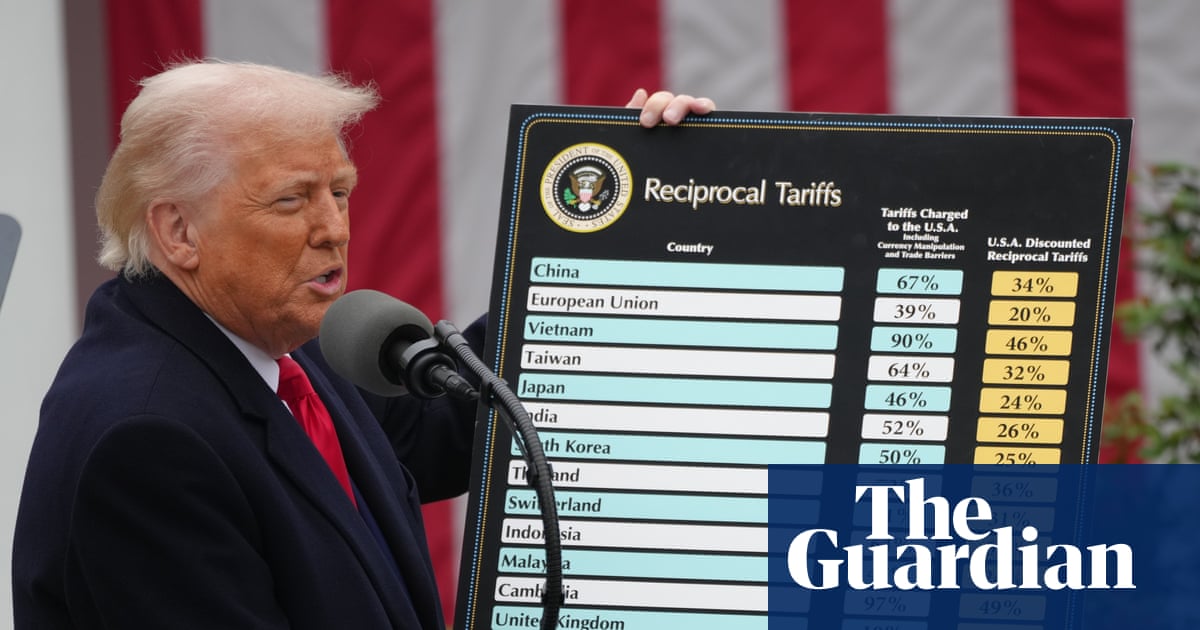
Donald Trump's administration is increasingly deploying tariffs as geopolitical leverage rather than economic protection, exemplified by heightened duties against India (over Russian oil purchases), Canada (Palestinian statehood), and Brazil (linked to a political ally's trial). This strategic pivot, where tariffs replace traditional diplomacy, risks alienating key allies, potentially strengthening blocs like BRICS, and undermining US global influence, posing long-term challenges for future administrations in rebuilding trust and managing international relations.
The Trump administration's trade policy has demonstrably pivoted from its stated economic objectives of industrial revitalization to serving as a tool for geopolitical coercion. This shift is evidenced by the use of what are termed "national security tariffs" to compel political alignment rather than to address trade imbalances. The threatened 50% cumulative tariff on India is a prime example, explicitly tied not to trade practices but to India's purchase of Russian oil, which accounts for 35% of its supply. This move represents a sharp reversal of previous bipartisan efforts to cultivate India as a strategic counterweight to China. The policy's application is broad, with tariffs also linked to Canada's stance on Palestinian statehood and the domestic political situation in Brazil. This strategy is causing significant diplomatic fallout, alienating key partners and encouraging targeted nations, particularly within the BRICS bloc, to strengthen ties with each other, as seen in India's renewed engagement with China. The simultaneous weakening of traditional diplomatic channels, such as the State Department and USAID, leaves the administration reliant on tariffs as its primary foreign policy instrument, fostering global instability and creating an unpredictable environment for international trade and investment.
AI-powered research, real-time alerts, and portfolio analytics for institutional investors.
Overall Sentiment
strongly negative
Sentiment Score
-0.70
