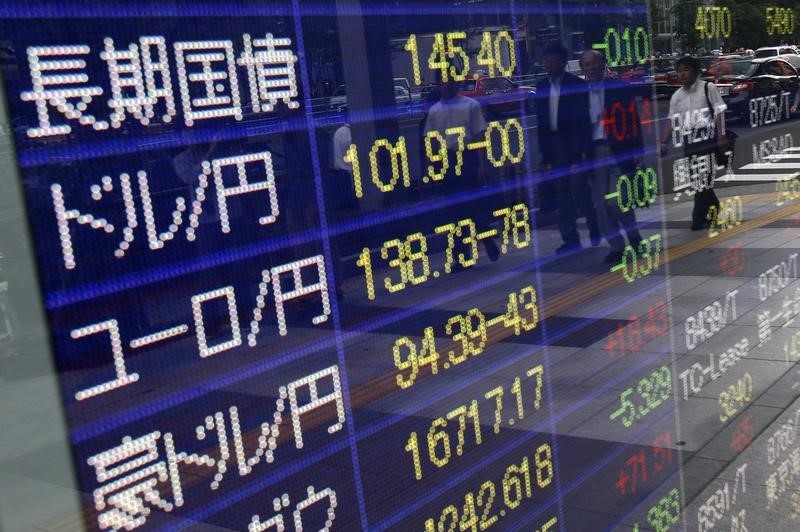
Iran rejected a U.S. ceasefire proposal and said it will not hold talks, while keeping the Strait of Hormuz effectively blocked and cutting off roughly 20% of global oil and gas supplies. Asian markets fell: South Korea KOSPI -2.8%, Hong Kong Hang Seng -1.4%, Japan Nikkei -0.2% and TOPIX -0.6%; Singapore’s Straits Times was a lone gainer at +0.4%. Tokyo has begun releasing about 80 million barrels from emergency reserves to local refiners to offset supply disruptions. The conflict is driving oil-price rebounds and raising inflation and central-bank hawkish-risk concerns across vulnerable, import-dependent Asian economies.
The market is pricing elevated tail risk into energy and EM exposure but is underestimating the speed at which policy tools (SPR releases, insurance/backstop facilities, rerouting) can blunt a supply shock. With ~20% seaborne flow at risk, the immediate mechanism is freight and refining margin compression, not a permanent loss of reserves — that favors asset-light energy players (marketing, storage, tanker owners) over long-cycle capex-heavy producers over the next 1–3 months.
Second-order effects will amplify dispersion across Asia: FX and sovereign CDS of oil-importing Asian economies (South Korea, Taiwan, Philippines) will deteriorate faster than headline equity indices, pressuring banks with FX mismatches and exporters with higher input costs; expect 150–300bp relative underperformance in regional financials vs MSCI Asia if Brent stays >$90 for 60+ days.
Monetary policy repricing is an under-appreciated transmission — a sustained oil-driven CPI impulse of +50–100bps could force earlier tightening from smaller EM central banks and keep developed-market real yields higher, compressing long-duration growth assets over 3–12 months. The window for tactical gains is short: if SPR releases and diplomatic backchannels gain traction within 2–6 weeks, momentum reversals will be sharp, so liquidity and optionality matter more than outright directional leverage.
Contrarian read: headline fear is priced; the market has not fully priced the deployment cadence and market impact of coordinated SPR releases plus insurance corridors that cap shipping premium spikes. That creates asymmetric opportunities to sell short-dated energy/insurance volatility and buy longer-dated optional exposure to a geopolitical resolution within 1–3 months.
AI-powered research, real-time alerts, and portfolio analytics for institutional investors.
Request DemoOverall Sentiment
mildly negative
Sentiment Score
-0.30
