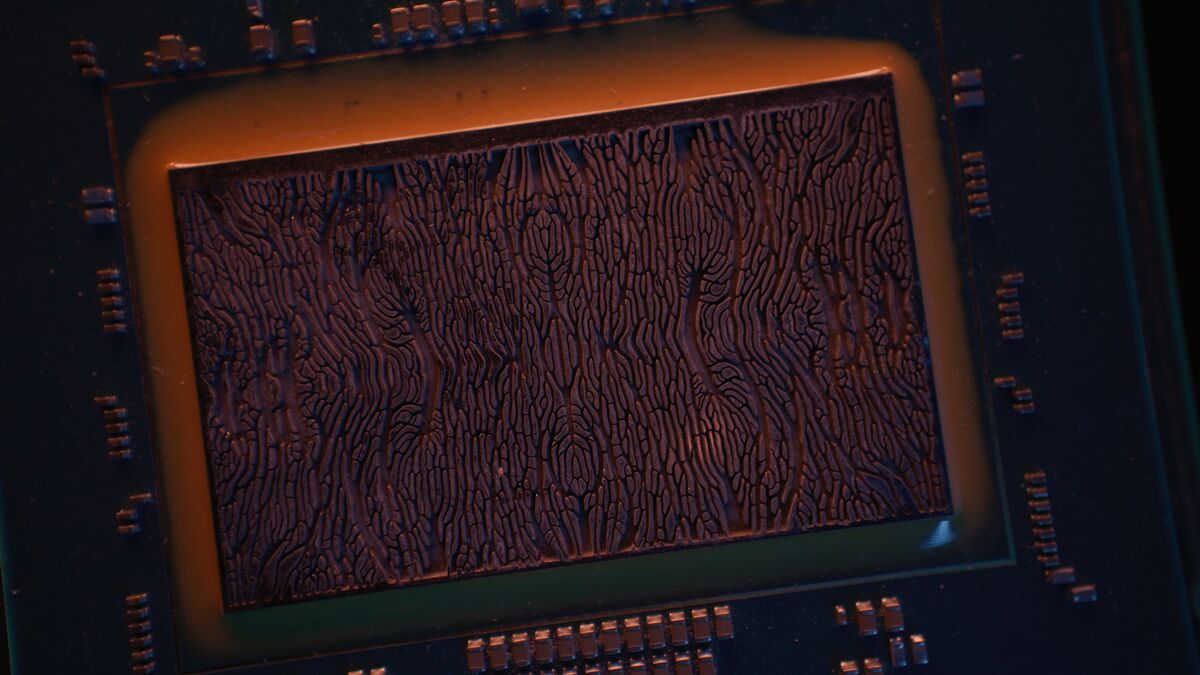
Microsoft is piloting microfluidics technology, which circulates fluid through chip-etched channels, to cool its AI processors and server chips. This innovation aims to significantly reduce the high energy consumption associated with cooling AI data centers, potentially enhancing efficiency and scalability for AI infrastructure and impacting operational costs.
Microsoft is actively prototyping a microfluidics-based cooling solution to mitigate the substantial energy consumption of its AI data centers. According to Husam Alissa, who oversees the company's systems technology, this technique involves passing fluid directly through micro-channels etched onto chips and is being tested on both AI-centric graphics processing units and server chips for cloud applications like Office. This initiative directly targets a primary operational bottleneck and cost driver in scaling AI infrastructure: processor heat. By developing an on-chip cooling method, Microsoft aims to enhance energy efficiency, which could lead to lower operating expenditures, increased hardware density, and a more sustainable growth path for its expanding AI and cloud services. The technology's current status as a prototype indicates this is a long-term strategic investment in innovation rather than a near-term operational shift, but its success could confer a significant competitive advantage in the capital-intensive AI race.
AI-powered research, real-time alerts, and portfolio analytics for institutional investors.
Request DemoOverall Sentiment
moderately positive
Sentiment Score
0.55
Ticker Sentiment
