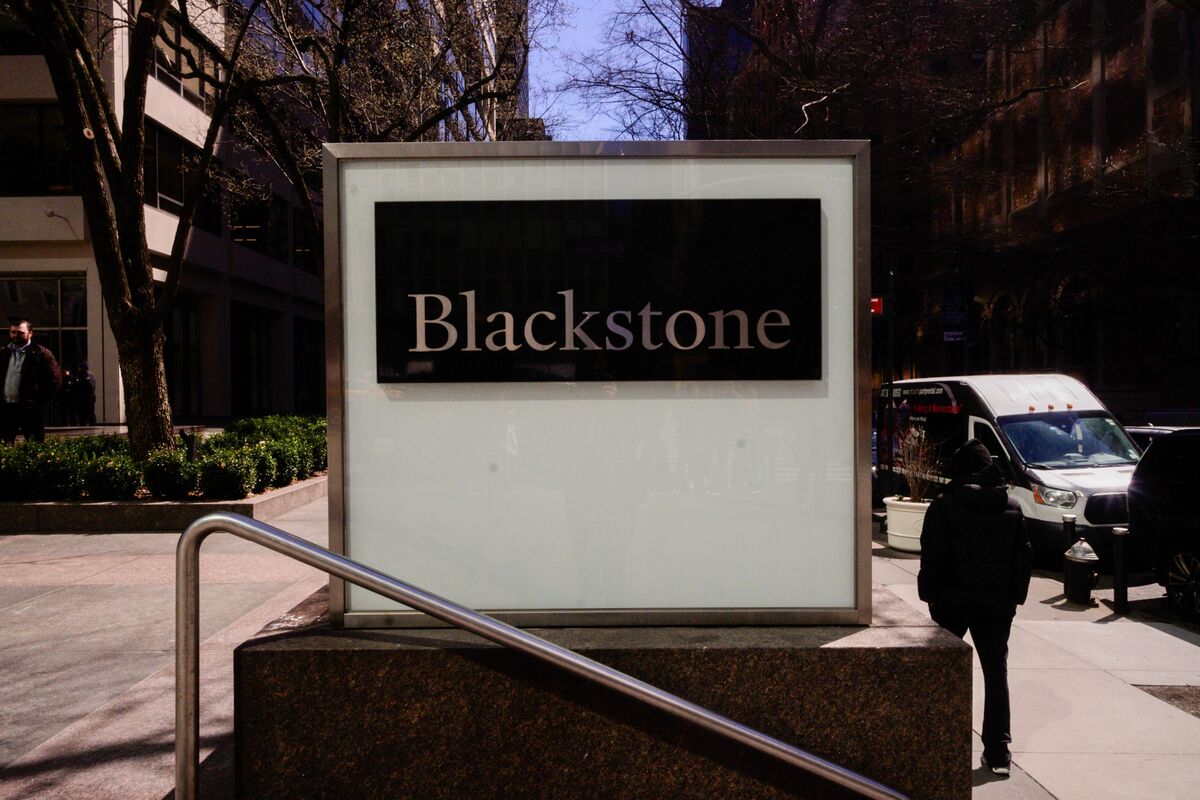
Up to $500 million: Blackstone-owned AGS Health has filed confidential draft IPO paperwork in Mumbai for an offering that could raise as much as $500M, comprising a mix of primary issuance and secondary stake sales. Bookrunners include JM Financial, Jefferies, ICICI Securities, JP Morgan and Nomura. Confidential filing indicates early/preparatory stage; transaction is notable for India healthcare/private-equity exit activity but likely limited broader market impact.
Large PE-backed exits into public markets act like a directional signal for two linked markets: the sponsor/underwriter ecosystem and the listed healthcare services comp set. The immediate impact is to create fresh public comps that institutional buyers use to mark private portfolios, which can mechanically lift carrying values across similar PE-held healthcare assets by mid-single-digit to low-double-digit percentage points within 3–12 months, compressing the urgency for forced sales.
Underwriters win fee pools and aftermarket flow, but the bigger structural beneficiary is private equity’s ability to recycle capital: realized proceeds accelerate new fund deployment into adjacent Indian healthcare subsegments (diagnostics, managed services), increasing M&A competition and wage inflation for skilled clinical/tech staff over 6–24 months. Conversely, mid-cap listed peers could face margin pressure as newly public peers scale faster with PE capital and stock-based recruiting.
Key risks are IPO-window volatility, foreign institutional participation, and host-country regulatory moves on data/private healthcare pricing — each can swing outcomes rapidly. Near-term catalysts to watch are deal pricing vs private comp marks, anchor investor mix (domestic retail vs QIB), and underwriter tranche allocations; reversals occur if pricing is weak or if a macro shock reduces FPI appetite within days–weeks.
The consensus framing (a routine PE exit) misses the signaling value: a successful trade sets a valuation template that forces private managers to either mark up portfolios or accelerate exits, altering capital allocation across the next 12–36 months. For portfolio managers, the actionable window is the IPO pricing/first-30-day aftermarket where allocation and lock-up dynamics create asymmetrical returns.
AI-powered research, real-time alerts, and portfolio analytics for institutional investors.
Request DemoOverall Sentiment
neutral
Sentiment Score
0.00
Ticker Sentiment
