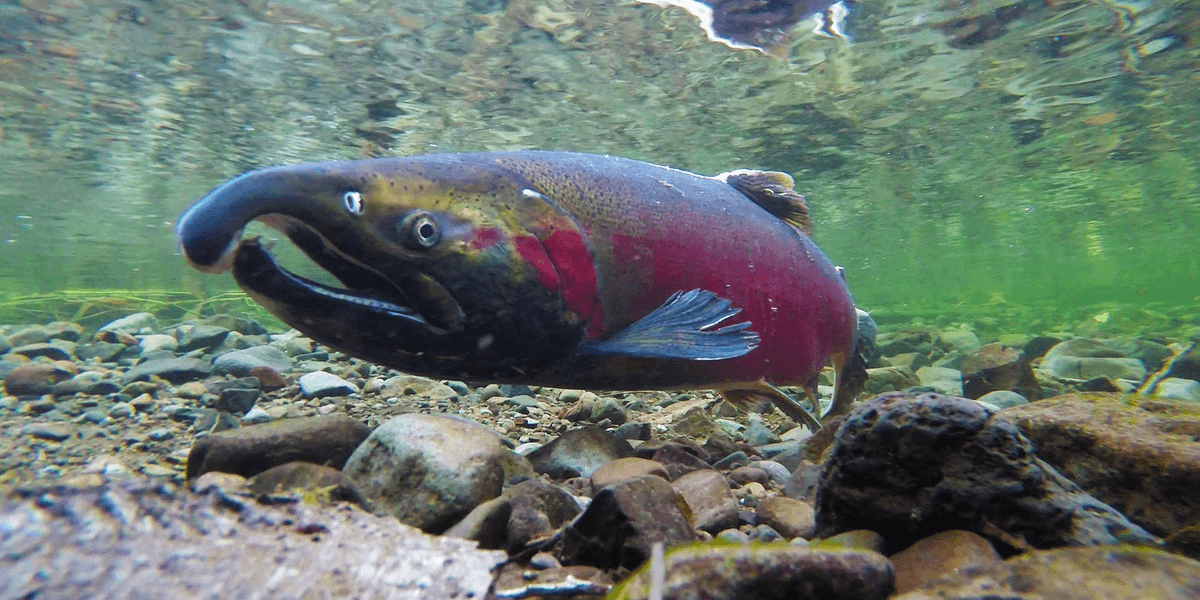
Migratory freshwater fish populations have declined roughly 81% since 1970; the CMS report identifies 325 species as candidates for international conservation and notes 97% of the 58 CMS-listed migratory fish are threatened. The assessment prioritizes major basins (Amazon, La Plata–Paraná, Danube, Mekong, Ganges–Brahmaputra, Nile) and urges protecting migration corridors, basin-scale action plans, transboundary monitoring, and coordinated seasonal fisheries management. Expect increased policy and regulatory pressure on dams, water infrastructure and cross-border basin governance, which could influence hydropower projects and regional infrastructure planning.
This report shifts attention from headline conservation urgency to the capital flows and regulatory pressure that will follow — think multilateral banks, export-credit agencies and sovereign lenders reweighting financing criteria for river infrastructure over the next 12–36 months. That will create two distinct exposures: vendors and operators who supply retrofit/monitoring solutions for connectivity and water quality (pricing power for specialized hardware/software), and legacy hydro/large-dam owners who face higher financing costs, regulatory delays and potential forced decommissioning.
Second-order supply effects are industrial and food-security linked: reduced wild-capture freshwater yields will accelerate demand for inland aquaculture, soy/meal feed inputs and refrigerated logistics in emerging markets, compressing margins across processor and feed chains in the 1–3 year window. Conversely, firms that can offer low-capex fish-passage retrofits or remote flow-management as-a-service will see outsized tender wins because basin-scale plans favor cheaper, rapid-deployment solutions over new dams.
Catalysts to watch are concrete and dateable: COP15 follow-through funding announcements, World Bank/ECA policy memos introducing 'connectivity' covenants, and high-profile litigation or bilateral river treaties within 6–24 months; any of these raise project risk premia for hydro assets and fast-track procurement for retrofit vendors. The reversal pathway is also clear — demonstrable, low-cost tech that restores migration (measured by eDNA/telemetry) could blunt the regulatory punch and revalue affected hydro assets within 12–36 months.
AI-powered research, real-time alerts, and portfolio analytics for institutional investors.
Request DemoOverall Sentiment
strongly negative
Sentiment Score
-0.60
