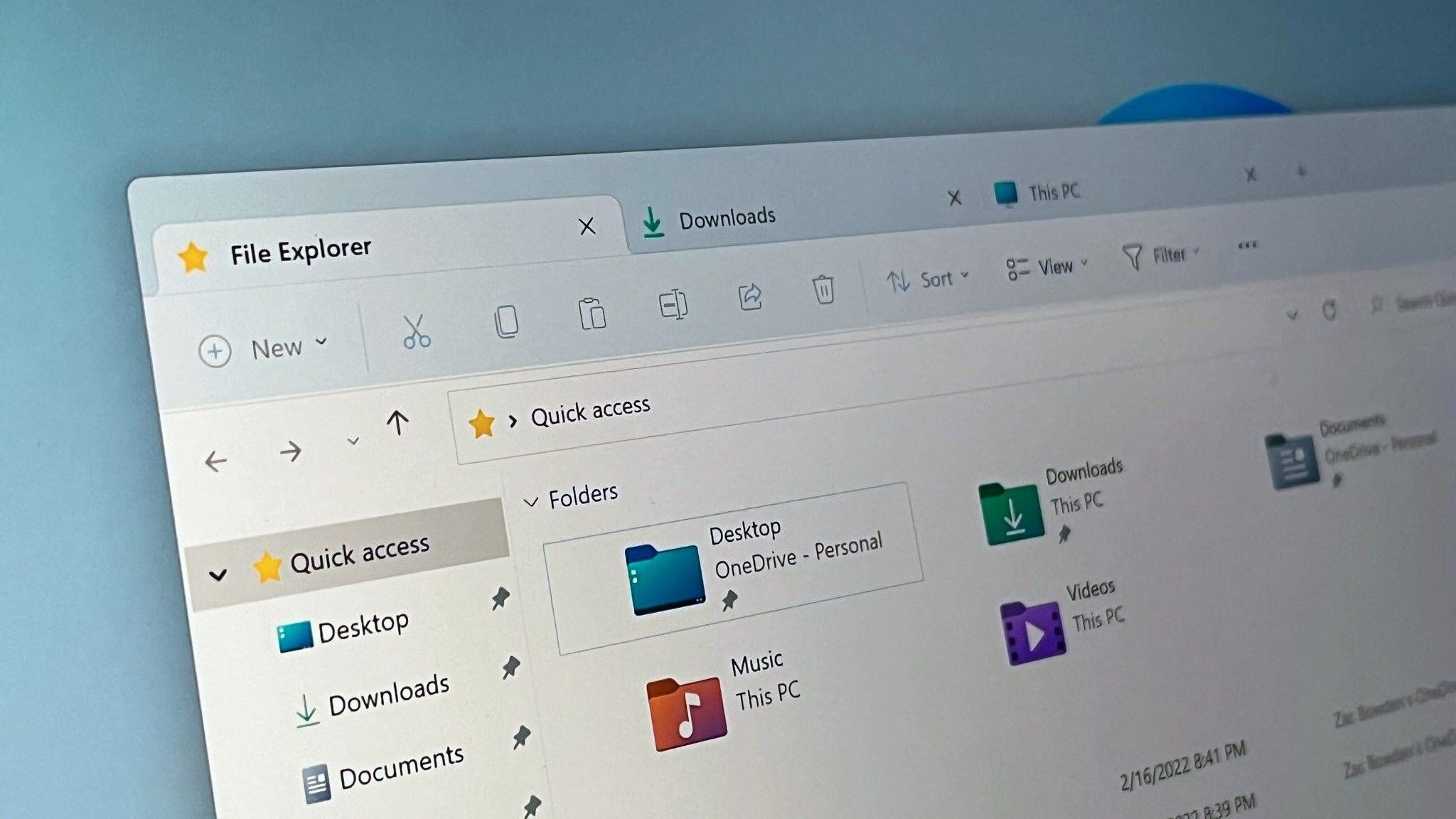
Microsoft is trialing a Windows 11 change that preloads File Explorer in the background to improve launch performance, offered in the latest preview build with an opt-out checkbox (“Enable window preloading for faster launch times” in File Explorer’s Folder Options > View). The update also introduces a streamlined File Explorer context menu consolidating file-management actions, reflecting Microsoft’s response to user feedback and executive assurances that the Windows team is improving platform performance alongside broader product priorities.
Market structure: This UX change is a marginal win for Microsoft’s platform stickiness and OEM partners selling Windows devices; it tightens switching costs by improving perceived performance and can slightly raise Surface/Windows upgrade propensity by a few percentage points over 2–4 quarters. Direct losers are niche third‑party file managers and any utility vendors monetizing around Explorer extensions; expect small market-share erosion (low single-digit % over 6–12 months). Cross‑asset impact is negligible for sovereign bonds and FX, but MSFT options IV may compress 5–15% around major rollouts as execution risk declines.
Risk assessment: Tail risks include a security or privacy vulnerability in the preloader that could force a rollback and generate negative publicity—this is low probability but material for near-term sentiment. Immediate (days) risk = telemetry/opt‑out reaction; short (weeks–months) = enterprise GPO/IT pushback and battery complaints on laptops; long (quarters) = cumulative UX improvements translating to marginally higher retention and monetization. Hidden dependency: increased idle RAM/CPU footprint could trigger enterprise policy reversals.
Trade implications: Size positions conservatively—this is a sentiment/UX story with limited earnings knock‑on; prefer small directional and volatility trades rather than large fundamental bets. Use event windows (30–90 days) around channel rollouts and Patch Tuesday as execution points. Primary catalyst pathways: broad rollout, enterprise admin guides, or a security CVE will move the stock and IV quickly.
Contrarian angles: Consensus understates operational risk — a >10% opt‑out or critical CVE within 60 days would flip sentiment fast. Historical parallels (minor Windows UI changes) show no sustained alpha, so current market complacency likely underprices binary operational risk; options offer asymmetric ways to express a modest bullish view while capping downside.
AI-powered research, real-time alerts, and portfolio analytics for institutional investors.
Request DemoOverall Sentiment
mildly positive
Sentiment Score
0.25
Ticker Sentiment
