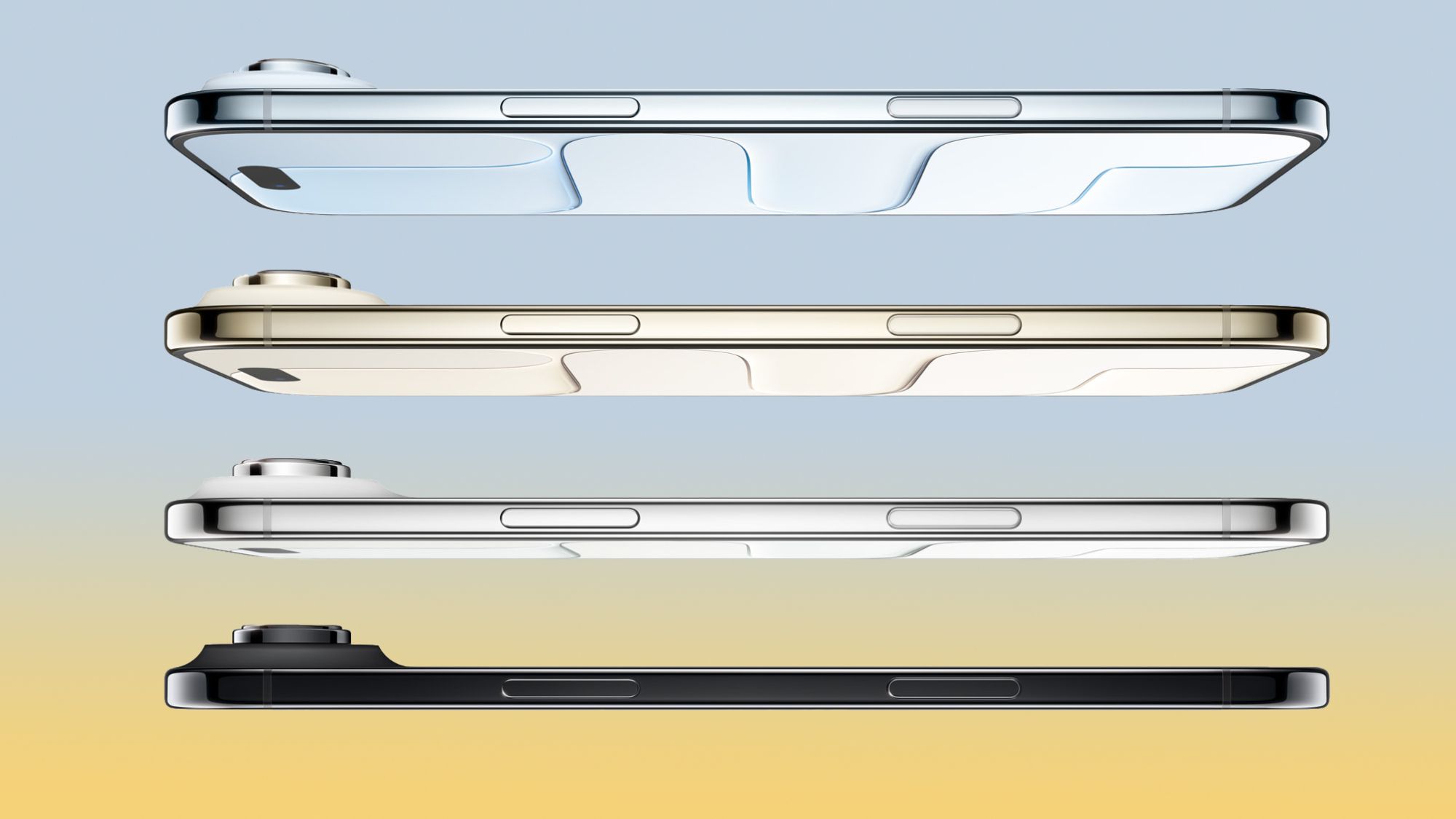
Apple is reported to schedule a spring 2027 launch (likely March/April) for three devices: iPhone 18e, iPhone 18, and a new iPhone Air, while iPhone 18 Pro/Pro Max/Ultra are expected in September 2026. The iPhone 18/18e are said to use an A20 chip with minimal other changes; the iPhone Air is rumored to add a second rear camera, larger battery and vapor-chamber cooling. This confirms a move to a split spring/fall product cadence that could alter seasonal sales mix; the report largely reconfirms prior leaks and is unlikely to materially move the market.
A split spring/fall product cadence materially changes Apple’s revenue smoothing and inventory cadence: shifting three mainstream models into a March window reduces the September lumpiness but raises the chance of sequential weakness into the following summer if channels overshoot orders. Expect a higher share of mid-tier volume (Air + 18e) in Q2 cadence vs historically premium-weighted Q4 ASPs — a 3–5% ASP headwind for the cycle is plausible if Air cannibalizes standard model demand and carriers push discounts to move volume out of fall inventories.
Supply-chain winners are likely to be the thermal and battery sub-suppliers due to the Air’s vapor-chamber and larger battery spec, and TSMC’s A20 ramp profile could lift foundry utilizations in early 2027; conversely, premium camera-module and premium-display suppliers could see relative weakness if Apple pushes cheaper 18e configurations, compressing component mix. Carrier and retail financing desks will re-optimize subsidy schedules — expect promotional activity pushed into spring rather than holiday, which can boost replacement cycles in price-sensitive markets but hurt ARPU in developed markets for 2–3 quarters.
Key catalysts: March–April 2027 announcement and subsequent sell-through data (30/60/90 day sell-through metrics) will confirm whether Air lifts overall unit growth or merely redistributes it. Tail risks include A20 yield problems at TSMC delaying units (weeks to months), or weaker-than-expected consumer demand causing Apple to discount deeply, which could knock 4–8% off consensus revenue for the cycle if materialized. On balance the market could be underestimating channel inventory volatility and ASP mix shifts even if headline unit numbers look healthy.
AI-powered research, real-time alerts, and portfolio analytics for institutional investors.
Request DemoOverall Sentiment
neutral
Sentiment Score
0.00
Ticker Sentiment
