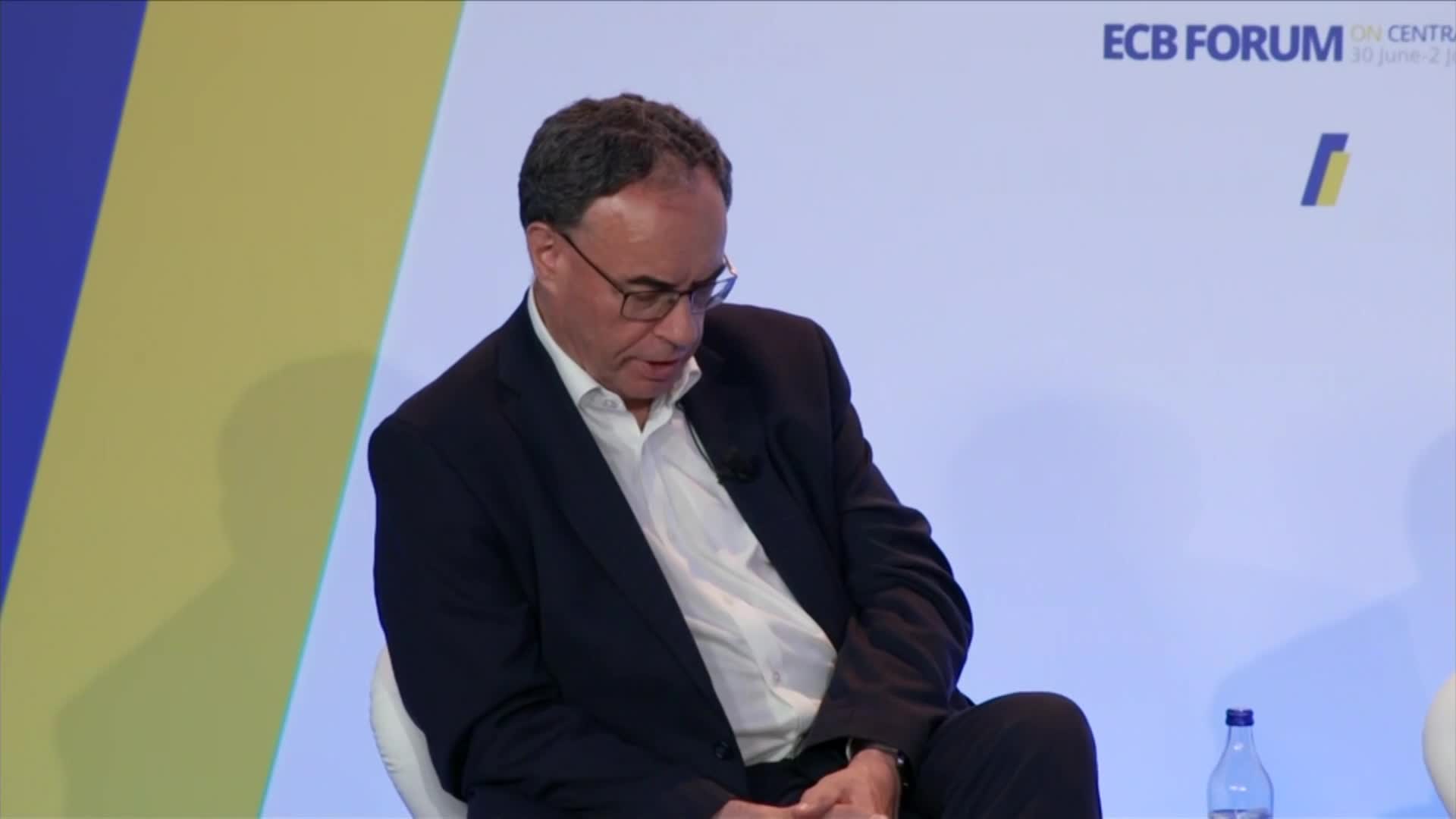
Bank of England Governor Andrew Bailey stated that the central bank's monetary policy, currently restrictive, is anticipated to gradually reduce its restrictiveness and move towards a more neutral stance. Speaking at the ECB Forum on Central Banking, Bailey's remarks signal a potential shift in the BOE's policy trajectory, influencing market expectations regarding future interest rate adjustments.
Bank of England Governor Andrew Bailey's comments at the ECB Forum signal a clear dovish shift in the central bank's forward guidance. By stating that the current restrictive monetary policy will "come down over time" towards a "more neutral" stance, he is effectively communicating that the peak of the interest rate cycle has likely been reached. This language prepares the market for a future easing cycle, implying that the next policy move will be a rate cut rather than a hike. The dovish tone, with a market impact score of 0.65, suggests this guidance will directly influence asset pricing, particularly for UK gilts and the pound sterling. The move towards a neutral policy indicates the BOE may be growing more confident in the inflation outlook or more concerned about the restrictive policy's impact on economic growth, aligning its posture more closely with market expectations for future rate reductions.
AI-powered research, real-time alerts, and portfolio analytics for institutional investors.
Request DemoOverall Sentiment
moderately positive
Sentiment Score
0.50
