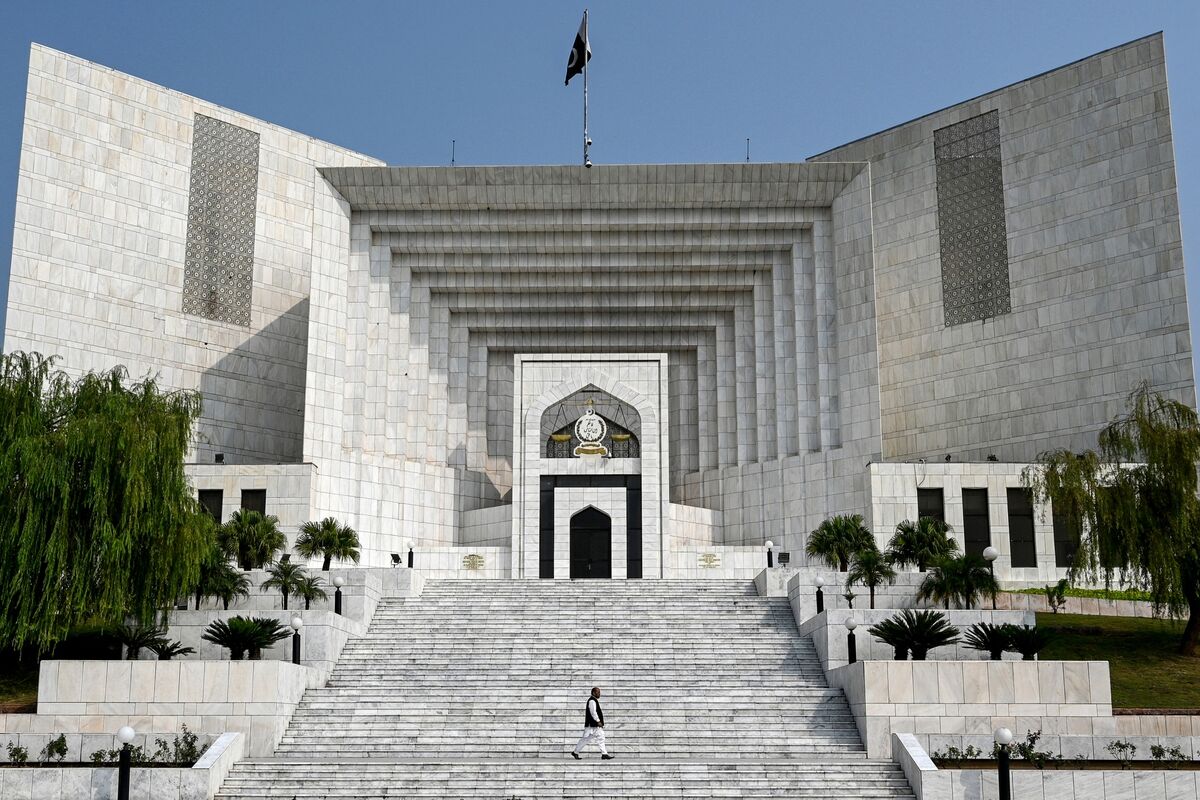
Two Supreme Court judges in Pakistan resigned following parliamentary approval of constitutional amendments that significantly curtail judicial powers and enhance the army chief's authority. This move, described by one resigning judge as subjugating the judiciary to executive control, signals a notable shift in the country's power dynamics, potentially impacting the rule of law, investor confidence, and overall political stability in Pakistan.
Pakistan's political landscape has undergone a significant shift following the resignation of two Supreme Court judges, Mansoor Ali Shah and Athar Minallah. Their departure came hours after parliament approved constitutional amendments that substantially curtail judicial powers while simultaneously empowering the army chief. Judge Shah explicitly characterized these changes as "subjugating the judiciary to executive control," underscoring the severity of the legislative action.
This legislative move signals a notable erosion of judicial independence and a consolidation of executive and military authority within Pakistan. The "strongly negative" sentiment score of -0.65 and "uncertain" tone associated with this event highlight deep concerns regarding the future of the rule of law and democratic checks and balances in the country. Such developments often lead to increased political instability.
The market impact score of 0.65 indicates a significant expected reaction from investors, particularly given Pakistan's status as an emerging market. A perceived weakening of the judiciary and increased executive control typically deters foreign direct investment and can trigger capital outflows, negatively affecting long-term investor confidence and the country's economic outlook. This situation warrants close monitoring for its potential to exacerbate existing economic vulnerabilities.
AI-powered research, real-time alerts, and portfolio analytics for institutional investors.
Overall Sentiment
strongly negative
Sentiment Score
-0.65
