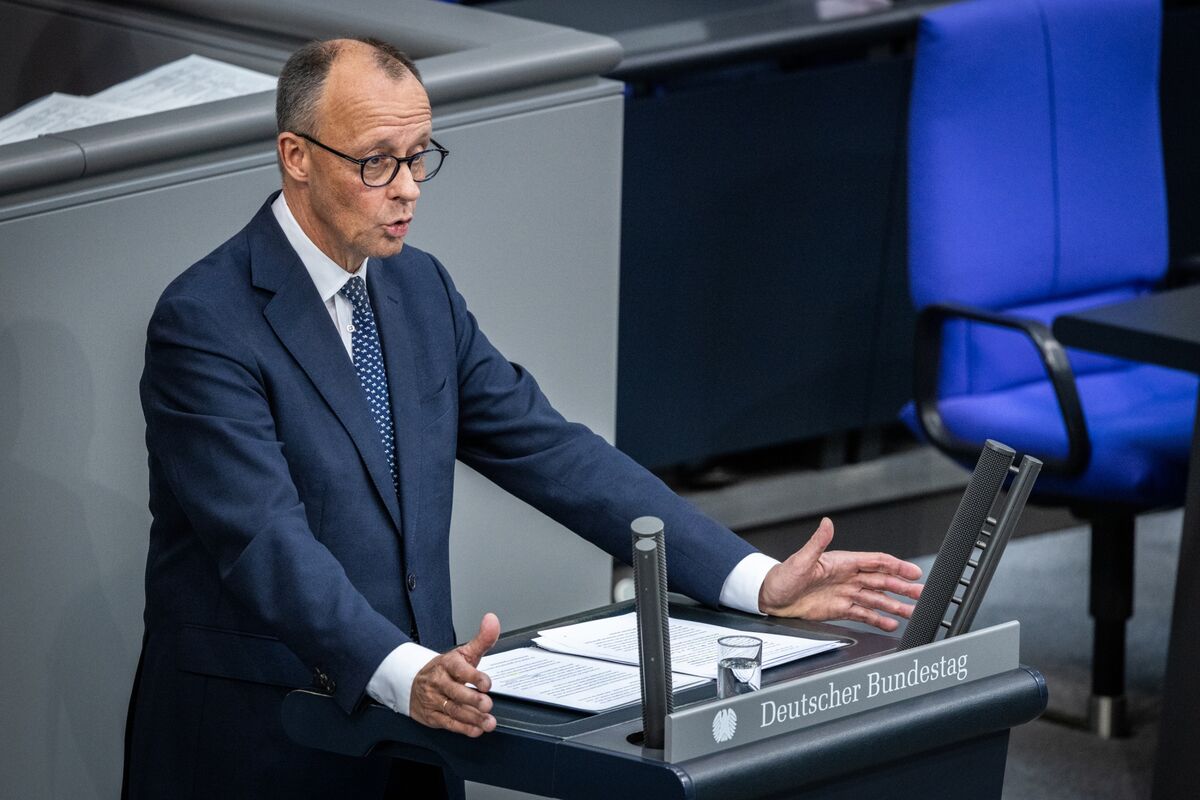
Friedrich Merz expressed confidence that Germany's regional governments will support his €46 billion tax-break package, citing progress in resolving a dispute over cost-sharing. The plan requires approval from the Bundesrat, where concerns have been raised that states and municipalities would bear approximately two-thirds of the financial burden. Approval is needed for the package to proceed.
Chancellor Friedrich Merz has expressed confidence in securing regional government backing for a substantial €46 billion ($53 billion) tax-break package, following reported progress in resolving cost-sharing disputes. This fiscal initiative requires approval from the Bundesrat, Germany's upper house, where representatives of the 16 federal states have voiced significant concerns regarding the financial burden, as states and municipalities are projected to cover approximately two-thirds of the total cost. The outcome of the Bundesrat's decision is crucial, as the package's passage would inject considerable stimulus into the German economy; however, the prevailing "mixed" sentiment indicated by a sentiment score of 0.05, and concerns over fiscal distribution, highlight the uncertainty surrounding its final approval and potential market impact, currently assessed as moderate.
AI-powered research, real-time alerts, and portfolio analytics for institutional investors.
Request DemoOverall Sentiment
mixed
Sentiment Score
0.05
