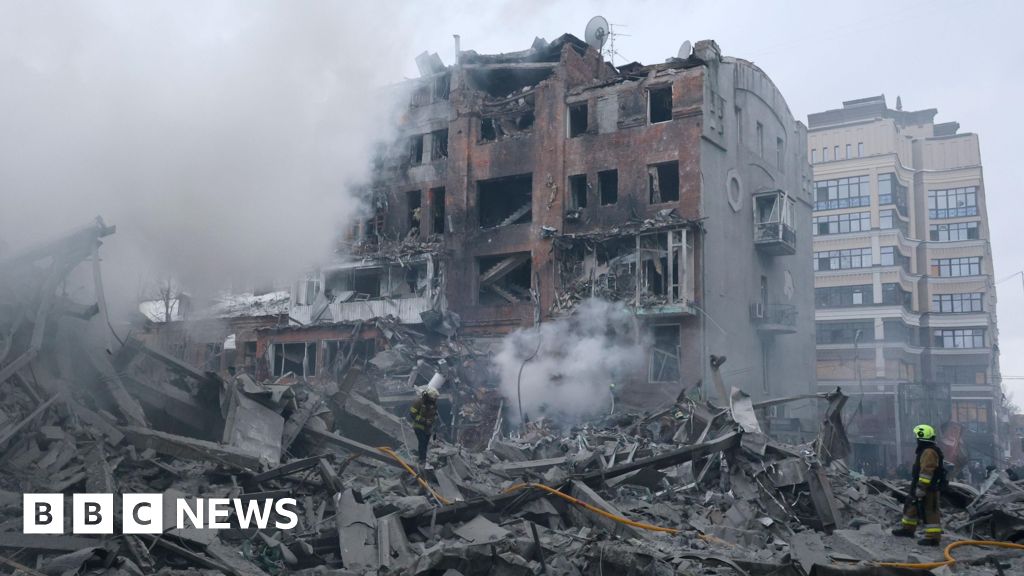
A missile strike in Kharkiv destroyed a multi-storey residential building, killing two people including a three-year-old and injuring about 28 others (16 hospitalized), with search-and-rescue operations ongoing. Kyiv and Moscow exchanged conflicting accounts—Ukraine attributes the attack to Russian forces ahead of US-brokered peace talks expected to include around 15 countries, while Russia denies launching missiles and accuses Ukraine of ammunition detonation and of a separate deadly New Year’s strike—heightening geopolitical risk and potential short-term risk-off market reactions.
Market structure: Near-term winners are defense contractors and commodities tied to supply disruption (wheat, ammo) and safe-haven assets; losers are Ukrainian domestic assets, regional EM/European cyclicals and travel-related names. Renewed strikes ahead of diplomatic talks increase the probability of incremental Western military aid procurement — expect a concentrated flow of orders in the next 3–6 months that benefits prime contractors (scale, backlog) and specialist munitions suppliers (pricing power, lead times).
Risk assessment: Tail risks include a broader escalation (low-probability but high-impact) that could push Brent +$10–$20 within weeks and force EU gas rationing; conversely a quick diplomatic de‑escalation would snap risk assets higher. Immediate window: days–weeks (risk-off, volatility spike); short-term: weeks–months (procurement cycles, commodity rerouting); long-term: quarters–years (persistent defense budgets if talks fail). Hidden dependencies include US congressional funding timelines and munitions supply-chain bottlenecks; key catalysts are this weekend’s Kyiv talks and the France meeting on Jan 6.
Trade implications: Tactical allocations: small, diversified defense exposure (ETF/large primes) and conviction-sized safe-haven hedges; commodity hedges (wheat) for 1–3 months; use options to cap drawdowns and express asymmetric upside on defense names. Entry should be front-loaded in the next 1–10 trading days for safe havens and staggered over 4–12 weeks for defense exposure as procurement signals arrive.
Contrarian angles: Consensus treats this as a limited escalation; that underprices ammo/munition specialists with long lead times — these could rerate 10–30% on visible contracts over 3–9 months. Conversely oil spikes are often mean-reverting within 2–4 weeks absent supply shocks; avoid paying premium for long-dated OTM energy calls without a confirmed supply disruption.
AI-powered research, real-time alerts, and portfolio analytics for institutional investors.
Request DemoOverall Sentiment
moderately negative
Sentiment Score
-0.50
