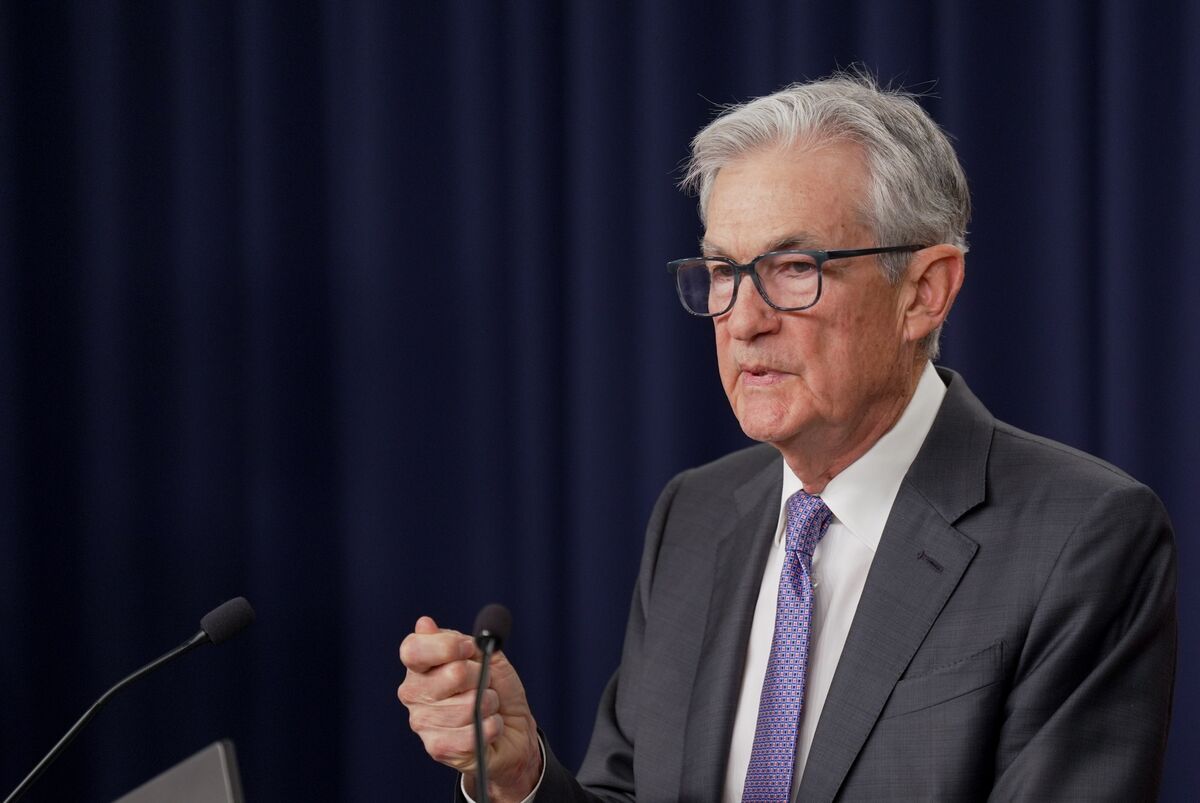
The DOJ has dropped its investigation into Fed Chair Jerome Powell, while the Fed’s building construction project costs are now being reviewed by the agency’s inspector general. The development is mainly a political and legal headline rather than a direct policy change, with limited immediate market impact. It may modestly affect perceptions around Fed governance and oversight, but it does not alter interest-rate policy or the Fed’s economic outlook.
This is less about the underlying construction spend and more about the removal of a headline-risk channel that was creating an asymmetric policy overhang on the Fed. Markets care because any credible criminal/regulatory probe into a Fed chair raises the perceived probability of a leadership disruption, which would have been a small but nonzero tail event for front-end rate volatility and term-premium repricing. With the probe closed, the immediate effect is to reduce the odds of a rapid institutional conflict that could have tightened financial conditions through “policy uncertainty” rather than through rates themselves.
The second-order winner is duration-sensitive risk assets: if investors had been hedging a politically induced Fed credibility shock, some of that protection can come out of the market over the next few sessions. That matters most for rate-cut beneficiaries and long-duration equities, where even a modest decline in policy noise can compress the risk premium. The loser is the political narrative trade around Fed independence; without a live probe, attempts to pressure Powell now have less procedural leverage and may need to shift to rhetoric, which is less market-moving.
The key risk is that the issue does not disappear, it merely changes form. An inspector-general review can keep the story alive for weeks to months, and any renewed media focus on governance, cost overruns, or testimony could reintroduce headline volatility even if it does not become a legal threat. The contrarian point is that this may be over-interpreted as dovish for policy when it is really just a reduction in institutional noise; unless the Fed’s reaction function changes, the beta should fade quickly once the market digests the absence of escalation.
AI-powered research, real-time alerts, and portfolio analytics for institutional investors.
Overall Sentiment
neutral
Sentiment Score
-0.05
