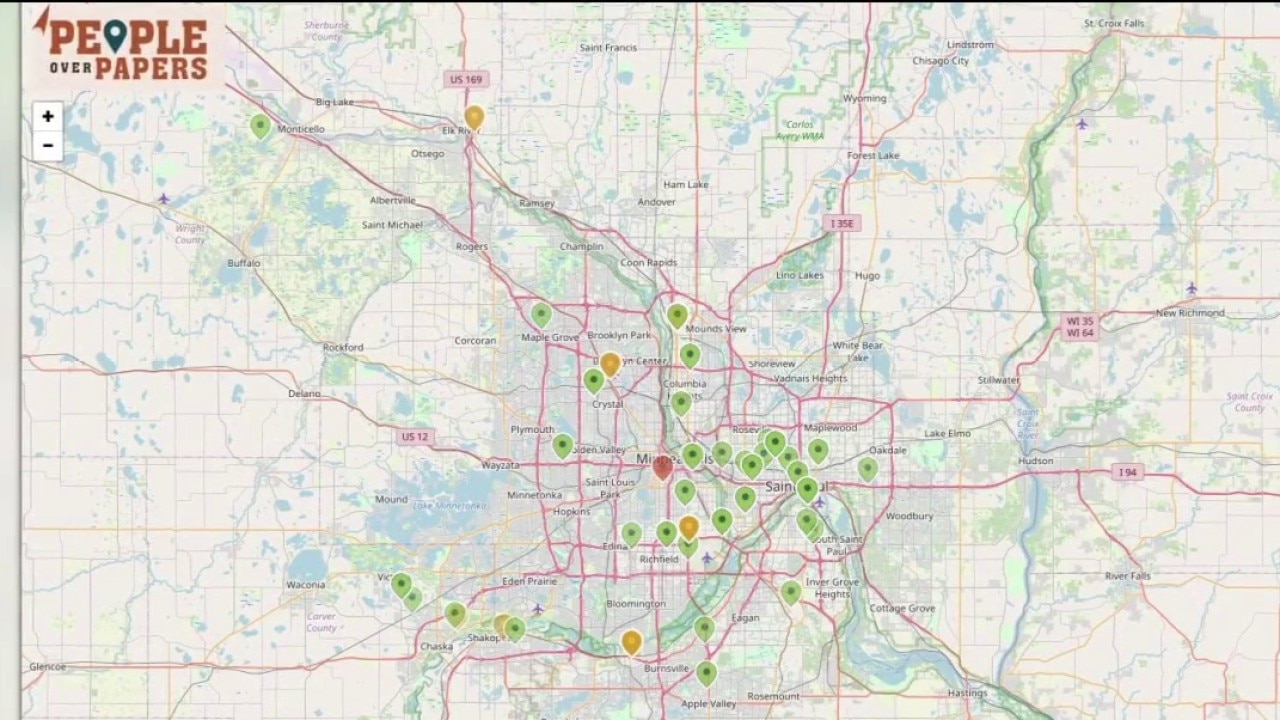
White House Border Czar Tom Homan announced the conclusion of a nationwide ICE surge on Feb. 12, but a week later officials and residents report continued activity in Twin Cities suburbs and uncertainty about how many of roughly 3,000 agents remain in the metro (Homan said more than 1,000 had already left). Minnesota typically hosts about 150 federal immigration agents, and Dakota County reported a noticeable increase in advance notifications from ICE over the past two weeks; state and federal agencies have not provided precise current agent counts or clarified whether other counties receive similar advance notice. The situation represents localized enforcement and coordination risk rather than a market-moving event, but it could influence regional political dynamics and regulatory scrutiny.
Market structure: The immediate winners from a drawdown in ICE surge activity are labor‑intensive consumer and food companies (lower short‑term hiring/legal risk) while private detention operators (GEO, GEO; CoreCivic, CXW) face demand risk for bed utilization and guard services. Government is a single large buyer with contract minima; pricing power for operators depends on guaranteed occupancy clauses, so a modest drop in agent presence can compress revenue but not necessarily eliminate cash flows if contracts include take‑or‑pay provisions.
Risk assessment: Tail risks include a sudden policy reversal (post‑election enforcement surge) or successful litigation that forces bed reductions — both high impact, low probability; time horizons: immediate noise (days), operational/contract renegotiation in 1–3 months, and election‑driven regulatory risk over 12–24 months. Hidden dependencies: revenue sensitivity to local law‑enforcement cooperation and bed‑guarantee language (often not public); secondary effects include local muni budget strains if counties pick up costs.
Trade implications: Tactical short bias on private prison operators but size conservatively (1–2% each) because long contracts cap downside; prefer defined‑risk put spreads 3 months to limit gamma bleed. Pair trades: overweight consumer discretionary (XLY) or select food processors (TSN) by 1–2% vs short GEO/CXW to capture a modest labor‑cost tailwind over 3–6 months. Use option collars/put spreads rather than outright shorts given policy uncertainty; enter within 2 weeks and target 40–60% options P/L or hit 3‑month expiry.
Contrarian angles: The market may overreact to anecdotal ICE sightings — private‑prison revenues historically resilient due to guaranteed payments (past cycles 2010–2018 showed ~<10% utilization swings). Therefore avoid large outright short positions; if DHS bed utilization falls >10% QoQ (monitor DHS/County weekly reports), then upsize shorts to 3–4% and consider longer‑dated puts (6–12 months) to play a structural decline.
AI-powered research, real-time alerts, and portfolio analytics for institutional investors.
Request DemoOverall Sentiment
neutral
Sentiment Score
0.00
