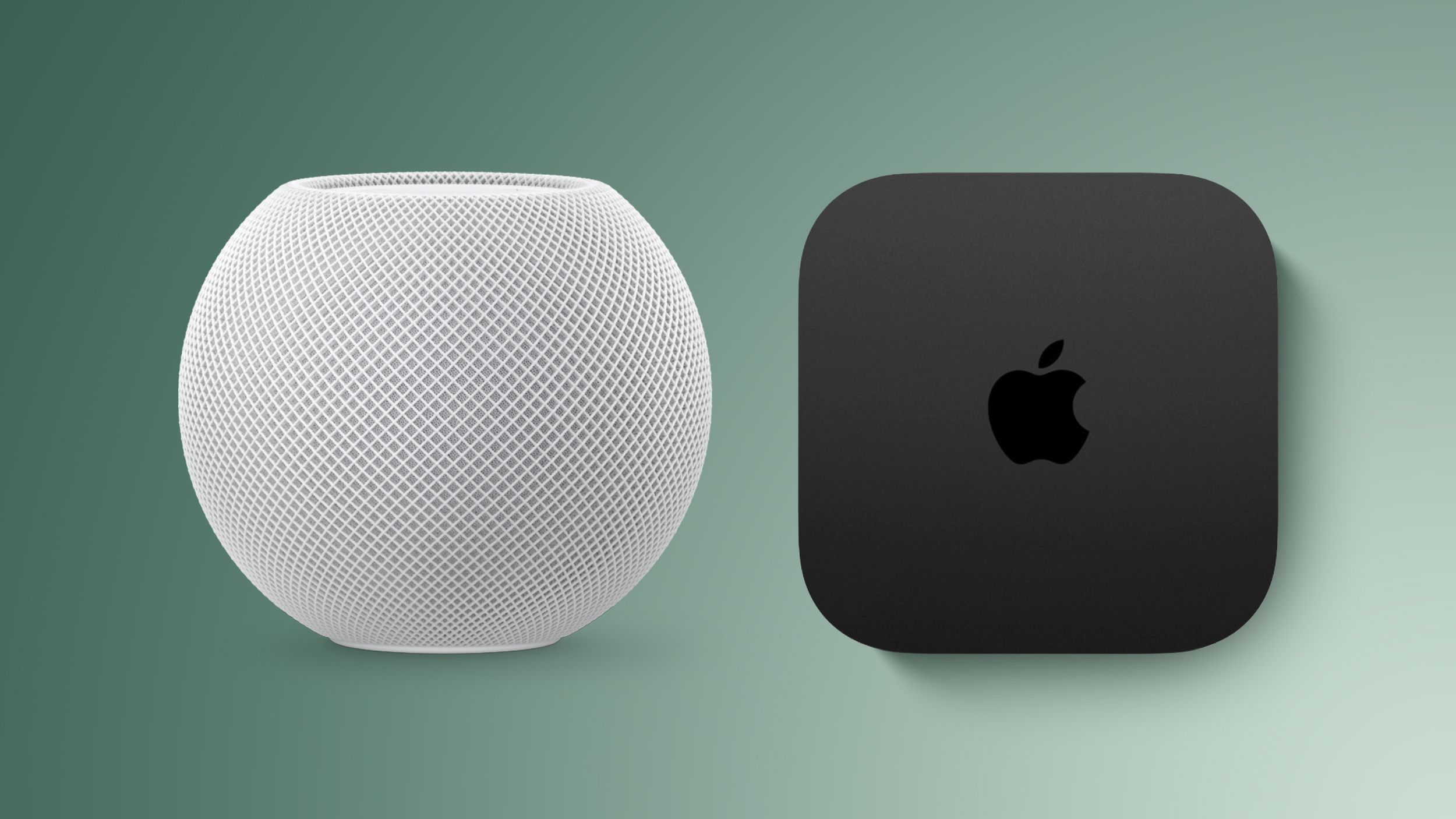
Apple unveiled nine new products this month but is holding back next-generation Apple TV 4K and HomePod mini releases pending Apple Intelligence (personalized Siri) features targeted for iOS 26.5 or iOS 27. Bloomberg reports the new devices have been "ready" since last year and global retail inventory of Apple TV, HomePod mini and full-size HomePod is running low. Rumored specs include A17 Pro, N1 Wi‑Fi 7, Bluetooth 6 and Thread for Apple TV, and S9 or newer, N1, improved audio, a newer UWB chip and a red color option for HomePod mini. If tied to the iOS cadence, announcements could occur between late March (iOS 26.5 beta) and the end of September (iOS 27 launch).
Hardware refreshes that lean on a new on-device AI stack shift value from cloud vendors to silicon and analog-component suppliers; the key beneficiaries are node-constrained foundries and high-margin RF/Wi‑Fi/Thread vendors because per-device silicon content rises materially when you move from generic SoCs to A17‑class and S‑series compute plus N1 Wi‑Fi7/Thread combos. Conservatively, each incremental unit with an upgraded connectivity + compute bill of materials of $40–$120 implies $0.8–$2.4bn of addressable incremental vendor revenue if annual volume is 20m–30m units — a near-term tailwind to Q2–Q4 supply‑chain prints even if hardware SKUs launch in a staggered fashion.
Timing is the dominant risk: software gating creates binary catalysts clustered around developer betas and the mid‑year developer conference, compressing realized upside into narrow windows and elevating volatility. Secondary risks include channel dynamics (channel fill vs true sell‑through), S‑series chip contention with other high‑margin product lines, and regulatory constraints on on‑device personalization features that could force feature rollbacks or delayed rollouts over quarters.
The market appears to underprice the IoT ecosystem effect: upgraded home hubs with Thread + UWB + Wi‑Fi7 accelerate Matter adoption and raise switching costs for incumbents in the smart‑home stack (mesh router vendors, smart‑lock makers). Conversely, the move to heavier on‑device AI could reduce data center spend per user, a negative for cloud infrastructure names if adoption is broad. Watch for supplier commentary and ASP/mix language in upcoming earnings as the earliest confirmatory signals.
AI-powered research, real-time alerts, and portfolio analytics for institutional investors.
Request DemoOverall Sentiment
neutral
Sentiment Score
0.00
Ticker Sentiment
