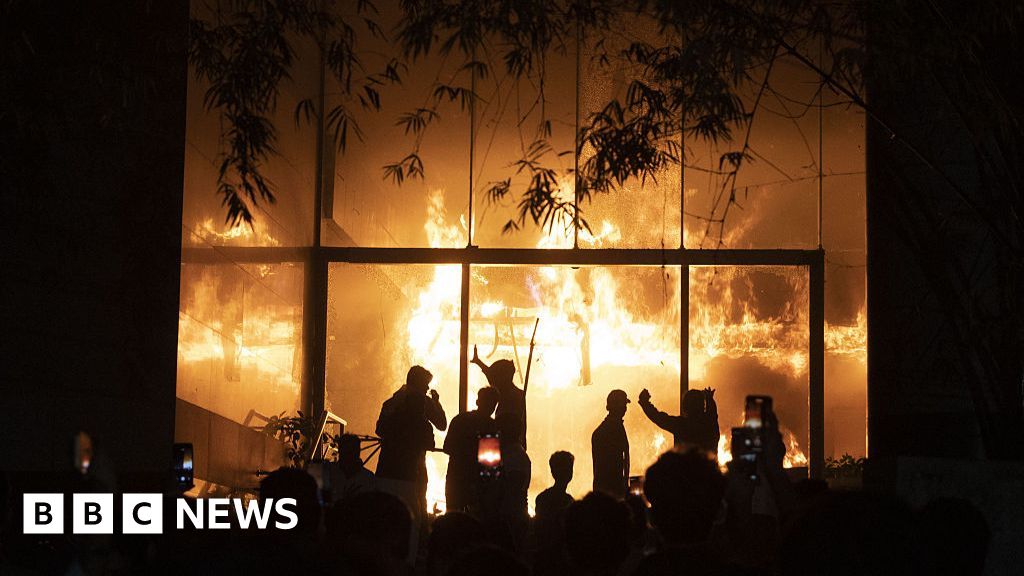
Sharif Osman Hadi, a 32-year-old senior leader of the student protest group Inqilab Mancha who intended to run in the first post-uprising elections, was shot leaving a Dhaka mosque and later died in Singapore, triggering large protests and the arson and vandalism of major newspaper offices. Interim caretaker leader and Nobel laureate Muhammad Yunus declared a day of national mourning, called the shooting a premeditated attempt to derail the election, and deployed troops as investigations and detentions continue. The incident exacerbates political instability following former PM Sheikh Hasina's exile and death sentence, raising near-term sovereign and political-risk concerns for Bangladesh and potential negative implications for investor sentiment in the local market and regional emerging-market exposures.
Market structure: Political violence raises immediate idiosyncratic risk for Bangladesh-exposed assets—garment exporters, local banks, and sovereign paper are the direct losers while global safe-haven assets (USD, gold) benefit. Expect 3–10% near-term downside pressure on Bangladeshi supply-chain dependent revenues and a 50–200bp spread widening on any USD sovereign bonds if unrest escalates beyond protests. Cross-asset flows will be risk-off: EM equity ETFs (EEM/VWO) likely underperform vs. DM, BDT likely depreciates versus USD, and short-term FX/credit volatility should rise 30–50% vs. baseline.
Risk assessment: Tail risks include a failed election or security crackdown triggering capital controls, a 10–30% hair on local equity/bond valuations, or regional spillover into India raising regional risk premia; probability low-moderate but impact high over 1–6 months. Short-term (days–weeks) prioritise liquidity and hedges; medium-term (3–12 months) monitor election integrity, remittance flows, and RMG (ready-made garments) order cancellations; long-term (12+ months) outcome depends on whether a credible, stable caretaker regime restores investor confidence.
Trade implications: Reduce gross EM equity exposure and duration in EM sovereign debt immediately—shift 2–4% portfolio weight from VWO/EEM into USD cash or IG credit; buy 3-month puts on EEM/VWO (5–7% OTM) sized to cover 1–2% portfolio tail risk. For corporates with sizable Bangladeshi sourcing (HNNMY/HM-B, PVH, GPS, VFC) initiate 30–50% hedges of position P/L via short-dated puts or buy-back clauses; favour long USD and GLD allocations (1–2% each) as tactical safety.
Contrarian angles: The market may overprice systemic collapse—if elections proceed within 1–3 months and are credible, spreads and BDT could retrace 40–60% of initial widening; this creates a 3–6 month mean-reversion trade to buy selective Bangladeshi exposures post-confirmation. Hidden leverage: many buyers in region use FX forwards and local-currency debt—monitor BDT forwards and central bank reserves; an absence of large reserve drawdown within 30 days reduces tail risk materially.
AI-powered research, real-time alerts, and portfolio analytics for institutional investors.
Request DemoOverall Sentiment
moderately negative
Sentiment Score
-0.60
