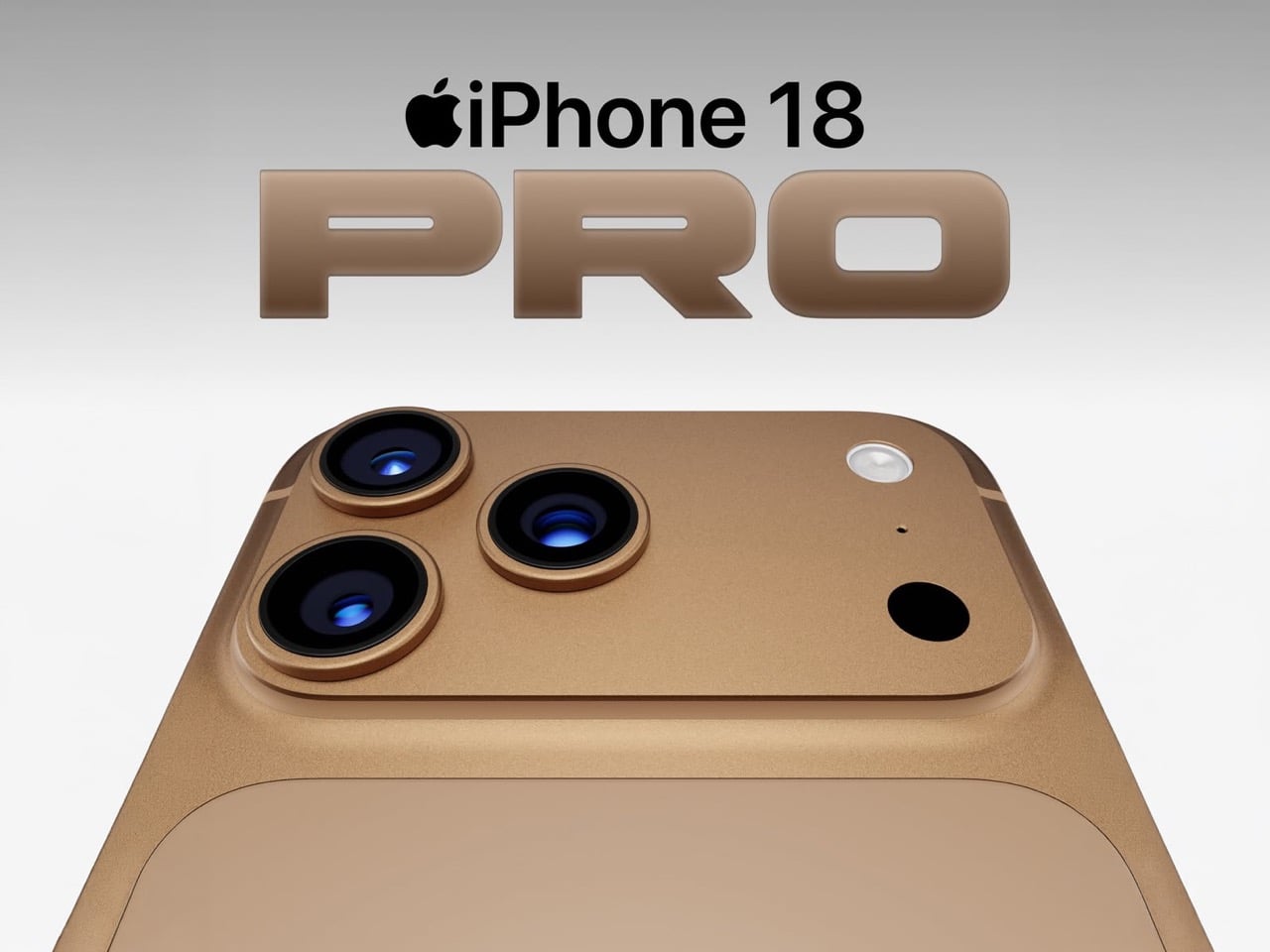
35% — Leaks indicate the iPhone 18 Pro will shrink the Dynamic Island by ~35% (visual width from ~20.7mm to ~13.5mm) with an expected September 2026 launch. Reported specs include an A20 Pro on TSMC 2nm (+~15% performance, up to +30% power efficiency), 12 GB RAM, Apple’s in-house C2 5G modem, and a record Pro Max battery of ~5,100–5,200 mAh (chassis ~8.8mm) with leaker estimates up to ~40 hours mixed use. Color and design changes are polarizing among users; confirmation could be modestly positive for Apple and affect suppliers (TSMC, modem/antenna partners) at the single-digit percentage level if validated.
Apple’s continued push to internalize high-value communications and logic functions materially shifts bargaining power in the semiconductor supply chain. The prime beneficiary is the wafer foundry that wins the advanced-node allocation: a multi-year, high-margin SoC program can translate to incremental wafer revenues in the high hundreds of millions to low billions annually and gives that foundry leverage to prioritize capacity. Conversely, third-party baseband specialists face an earnings cliff risk as design wins disappear — the revenue gap is meaningful enough to move valuation multiples over a 12–24 month window.
The product refinements force a bifurcation in component demand: premium display subsystems, under-panel illumination stacks and specialized adhesives see unit-content growth, while legacy front-module vendors see compressive pricing and share loss. That reconfiguration compresses the supplier ecosystem (fewer, larger suppliers capturing more content per phone) and accelerates OEM product roadmaps’ dependence on a small set of qualified partners — expect supplier order-book signals to become the fastest leading indicator of Apple’s cadence within 3–6 months.
Key catalysts to monitor are (1) Apple’s September product release and associated channel preorders, (2) the next two TSMC capacity updates and customer allocation disclosures, and (3) Qualcomm’s guide commentary and patent/licensing developments. Tail risks include UX rework delaying user upgrades and regulatory/patent pushback that could blunt Apple’s integration play; those would shift upgrade cycles and compress near-term upside for both the supply chain and Apple’s Services/upgrade revenue conversion.
AI-powered research, real-time alerts, and portfolio analytics for institutional investors.
Request DemoOverall Sentiment
mildly positive
Sentiment Score
0.18
Ticker Sentiment
