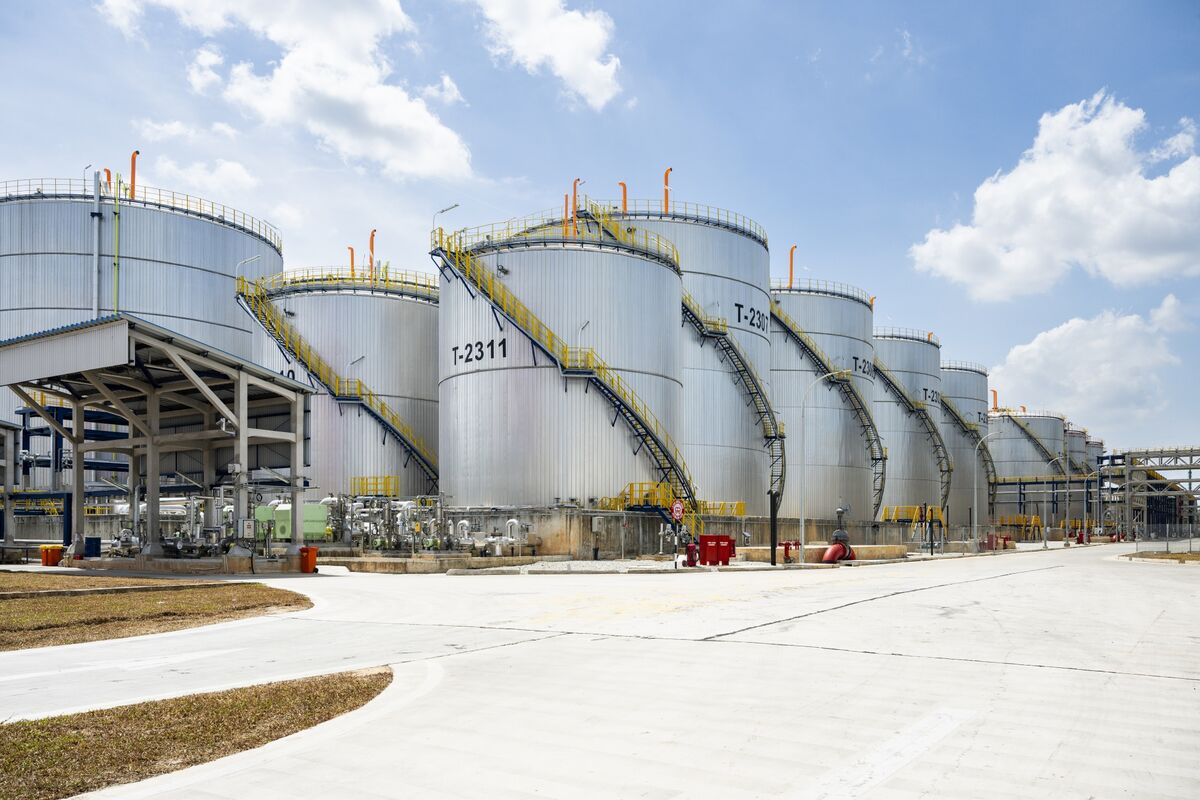
Malaysia plans to continue fuel subsidy reform despite a possible general election this year, with officials considering a slight reduction in subsidized fuel quotas to manage demand. The government is also reviewing a shift to a subsidized diesel allocation mechanism for Borneo states. The measures are aimed at protecting lower-income households amid the global energy crisis.
This is less a one-off subsidy tweak than a signal that Malaysia is trying to convert a politically sensitive current-account leak into a managed price signal. The immediate winners are upstream refiners, fuel distributors, and any transport operators with pricing power; the losers are heavy diesel consumers, subsidy-arbitrageurs, and lower-margin logistics firms that cannot pass through cost inflation quickly. The second-order effect is that even a modest quota reduction can tighten spot demand enough to lift regional middle distillate margins, especially if neighboring markets are already thin on inventory.
The key market risk is not the arithmetic of the subsidy cut but the sequencing around an election window. If reforms are announced in a piecemeal way, you can get a short-lived consumer inflation spike followed by policy delay, which tends to be more bearish for domestic sentiment than a clean, upfront normalization. Over the next 1-3 months, the most relevant catalyst is whether the government expands targeted compensation fast enough to prevent a broader backlash; if not, this becomes a credibility trade on fiscal discipline rather than an energy trade.
The Borneo diesel mechanism matters because it reduces leakage and arbitrage, which should structurally improve fiscal efficiency but may also expose hidden regional cross-subsidies in freight and construction. That creates a second-order headwind for suppliers with Borneo-heavy exposure and a relative benefit for firms with flexible procurement and pricing, particularly those able to re-route supply or hedge fuel costs. If global energy prices stay elevated, the government has more room to frame this as administrative reform, which lowers the probability of reversal over a 6-12 month horizon.
Consensus is probably underestimating how inflation math interacts with politics: a small subsidy cut can have an outsized narrative effect if it arrives alongside food and transport pressure. The better contrarian read is that the move may be less bearish for consumption than feared because the state is targeting waste rather than blanket support, so the true losers are inefficient operators, not the broad consumer basket. That makes this a relative-value event more than a macro shock, unless the election forces the government to pause midstream and reintroduce uncertainty.
AI-powered research, real-time alerts, and portfolio analytics for institutional investors.
Request DemoOverall Sentiment
neutral
Sentiment Score
-0.05
