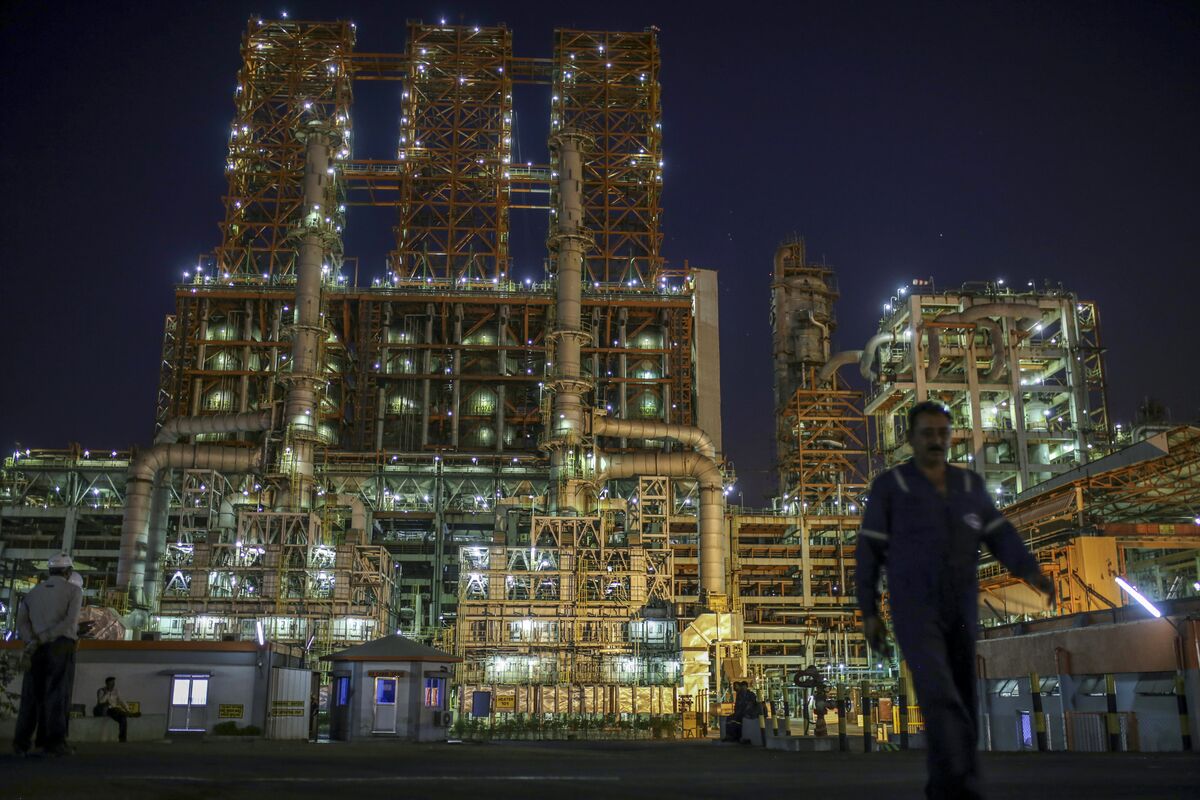
The EU's 18th sanctions package has targeted India's Nayara Energy refinery, in which Russia's state-owned Rosneft holds a 49.13% stake, a move Rosneft has labeled "unjustified and illegal." This action aims to further curb the Kremlin's energy revenues, specifically those supported by Russian crude exports to India, indicating an escalation in the EU's efforts to disrupt Russia's oil trade through third-party entities.
The European Union's 18th sanctions package marks a significant strategic escalation by directly targeting India's Nayara Energy refinery. This action is predicated on the substantial 49.13% ownership stake held by Russian state-owned oil major Rosneft PJSC. The EU's objective is to disrupt the Kremlin's energy revenue stream, which has been bolstered by rerouting crude exports to countries like India for refining. Rosneft's immediate characterization of the sanctions as "unjustified and illegal" highlights the contentious nature of this move. This development expands the geographic scope of sanctions enforcement beyond Russia, introducing heightened compliance and operational risks for international firms dealing with Russian-linked assets, even in third-party jurisdictions. The targeting of a major refinery suggests a more sophisticated approach by the EU to dismantle the value chain supporting Russia's economy, moving from crude oil embargos to downstream products.
AI-powered research, real-time alerts, and portfolio analytics for institutional investors.
Request DemoOverall Sentiment
strongly negative
Sentiment Score
-0.65
