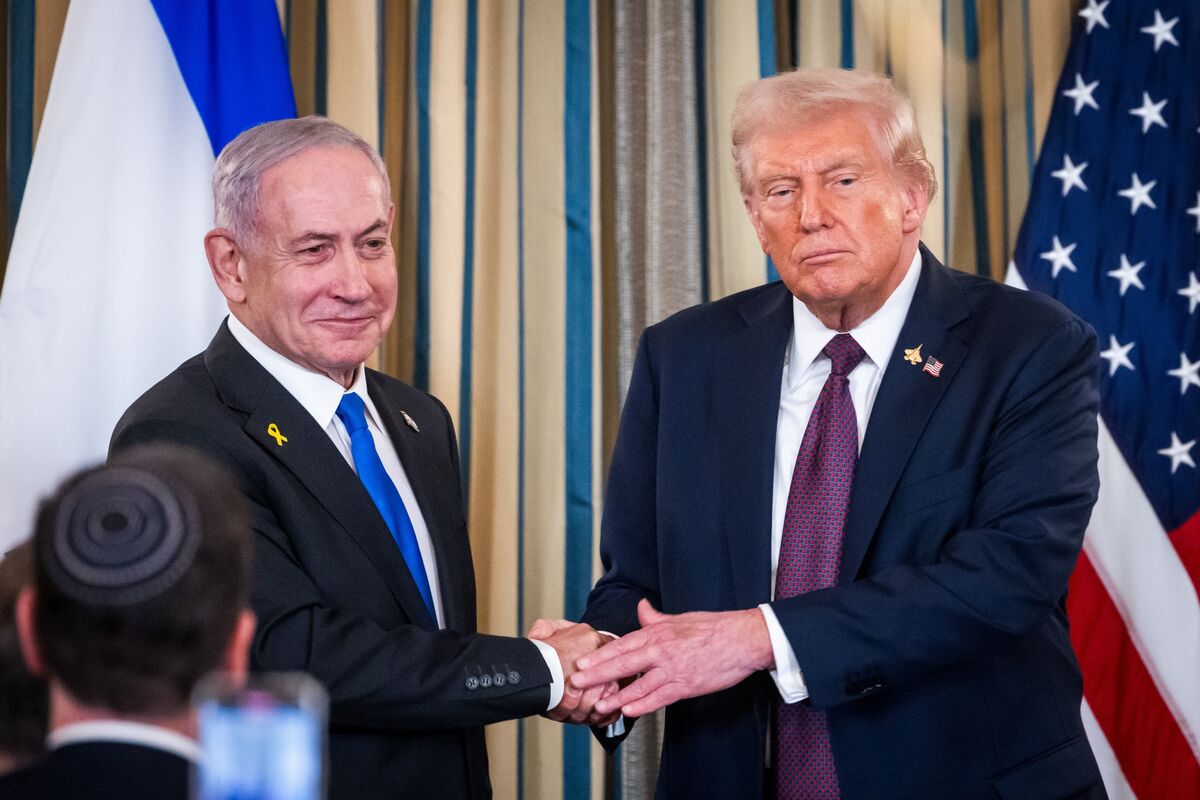
Israeli Prime Minister Benjamin Netanyahu has requested a presidential pardon to end long-running graft indictments, arguing the trial has dragged on and framing the move as needed for national healing. Former U.S. President Donald Trump has publicly urged Netanyahu’s exoneration; the intervention has reopened political rifts and raises near-term political risk and policy uncertainty for Israel that could weigh on investor sentiment.
Market structure: A Netanyahu pardon fight increases political-risk premia in Israeli assets — immediate winners are global defense contractors (Elbit ESLT, Lockheed LMT, Northrop NOC, RTX) and safe-haven FX (USD, CHF), while losers include Israel-focused equity exposure (iShares MSCI Israel EIS), domestic banks and travel/leisure names tied to tourist flows. Expect short-term equity downside of 5–15% on headline shocks and a 20–60bp widening in Israel 10y yields; FX pressure could weaken ILS 2–5% in weeks if protests intensify.
Risk assessment: Tail scenarios include mass civil unrest, coalition collapse or regional escalation that could send ILS down >10% and Israeli equities down >30% (low-probability, high-impact). Immediate risks play out in days–weeks (protests, credit repricing); medium-term (1–6 months) risks include snap elections and fiscal strain; long-term (6–24 months) depends on governance outcomes and foreign investment appetite. Hidden dependencies: defense spending may rise (positive for defense names) while VC funding and exits for Israeli tech could contract 10–30% on higher country risk.
Trade implications: Expect elevated idiosyncratic volatility — favor hedged trades: buy protection on EIS or ATM puts 3-month tenor, size to cover 25–50% of Israeli exposure; establish 2–3% tactical long in ESLT and 1–2% in LMT for 6–12 months to capture defense upside. Rotate short-duration sovereign exposure: reduce Israeli bond duration by 0.25–0.5yrs or buy 1–3yr CDS protection if available.
Contrarian angles: Consensus may overprice permanent damage; a negotiated pardon or rapid political settlement could trigger a sharp snap-back (20%+ in oversold names). Conversely, markets may underweight increased defense budgets — creating a 6–12 month asymmetric carry for defense names vs cyclic Israeli tech. Watch for liquidity-driven mispricings in small-cap Israeli ADRs as buying opportunities if declines exceed 25%.
AI-powered research, real-time alerts, and portfolio analytics for institutional investors.
Request DemoOverall Sentiment
mildly negative
Sentiment Score
-0.25
