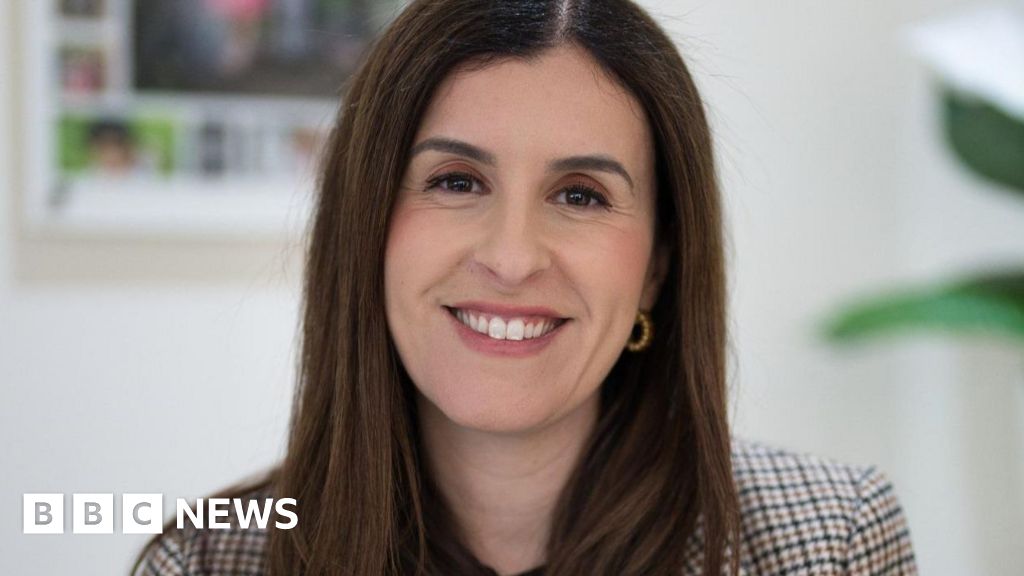
The Adelaide Festival's Writers' Week has been cancelled after the board disinvited Australian-Palestinian author Dr Randa Abdel-Fattah amid sensitivities following a deadly attack, triggering the withdrawal of about 180 speakers and the resignation of four board members (of eight) and the Writers' Week director. The board later apologised for how the decision was communicated and said all remaining board members but one would step down, leaving the festival effectively board-less weeks before its scheduled start and exposing the event to legal challenge and reputational damage. The episode highlights heightened political intervention and polarization around cultural programming, creating operational and governance risk for arts institutions reliant on public funding and political support.
Market structure: Cultural controversy disproportionately harms small, live-event and state-funded arts operators while benefiting large, subscription-based digital media that avoid venue/reputational risk. Expect modest reallocation of audience/time (5–15% short-term) from physical festivals to digital content; winners include global streaming/media (Netflix, DIS, SPOT) and platform advertisers that can scale content moderation. Cross-asset: expect a spike in idiosyncratic equity volatility for regional event names and a 1–3pt lift in local media options skew; macro FX/bond impact is immaterial absent wider geopolitical escalation.
Risk assessment: Tail risks include legal suits against festival boards, rapid government funding withdrawal in a state (South Australia) leading to budget replanning within 30–90 days, and coordinated advertiser boycotts that shave 2–5% off affected publishers' ad revenue over 1–4 quarters. Immediate (days): reputational headlines and event cancellations; short-term (weeks–months): program attrition and sponsor renegotiations; long-term (6–24 months): governance changes, D&O claims and possible policy tightening around ‘cultural cohesion’. Hidden dependency: reliance on a few government patrons and insurers creates concentration risk.
Trade implications: Prefer defensive, large-cap digital-media longs and targeted hedges on news-sensitive publishers. Use options to buy downside protection rather than outright shorts in thinly traded local names; expect to deploy tactical volatility buys if cancellations accelerate. Sector rotation: overweight US/Global streaming and underweight live-event/ticketing exposure for the next 3–12 months.
Contrarian angle: Consensus overstates contagion — effects are highly localized and reversible; a >10% sell-off in regional event suppliers is likely overdone and could present a 6–12 month mean-reversion buy. Historical parallels (festival cancellations, 2019–21 event shocks) show recovery once governance and funding clarifications arrive; risk is litigation and funding cuts, not structural permanent demand loss.
AI-powered research, real-time alerts, and portfolio analytics for institutional investors.
Request DemoOverall Sentiment
moderately negative
Sentiment Score
-0.45
Ticker Sentiment
