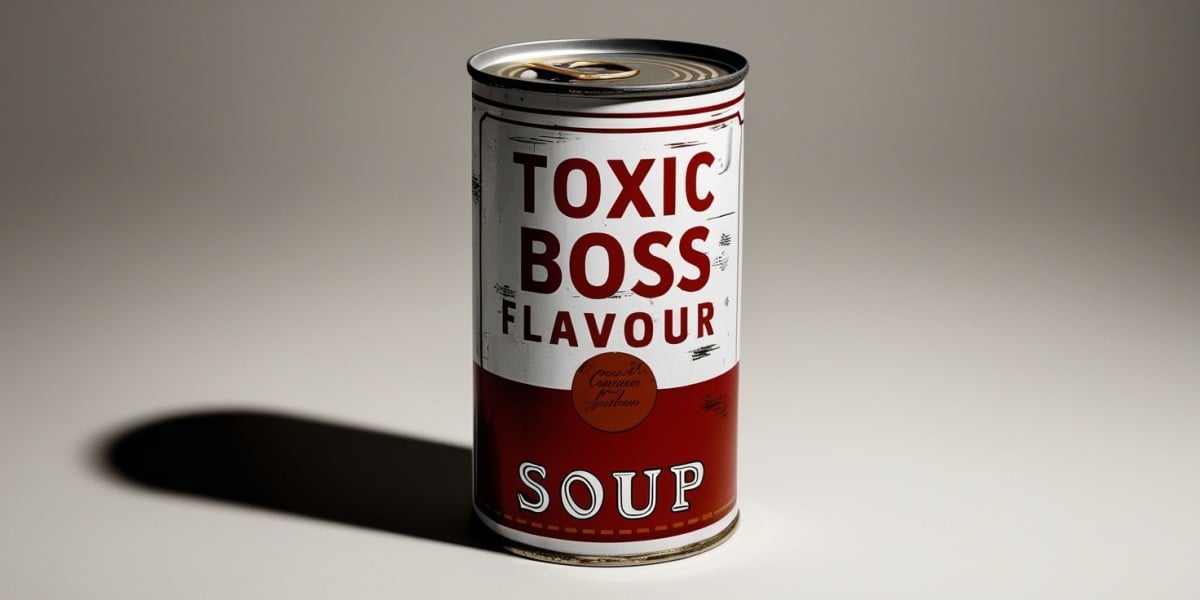
Campbell’s has cut ties with IT vice president Martin Bally after a viral audio recording in which he allegedly disparaged the company’s products and claimed they contained “bioengineered meat”; the company called the remarks vulgar, offensive and false and confirmed Bally was no longer employed as of Nov. 25. The recording was made by newly hired cybersecurity analyst Robert Garza, who has filed suit alleging racist remarks, management inaction and wrongful termination and is seeking damages for stress, humiliation and economic loss. Florida’s attorney general has opened an inquiry into the lab‑grown meat claim, creating a narrow regulatory and reputational risk for Campbell’s even as the company publicly reiterated the provenance of its chicken supply.
Market structure: This is a reputational event with idiosyncratic downside to Campbell Soup (CPB) rather than a sector structural shock — expect at most a 1–3% short-term hit to CPB shares and <100bps share shifts to peers (GIS, K) if social traction persists beyond one week. Pricing power and supply/demand for real chicken or soup SKUs are unchanged; retailers unlikely to delist — sales shock would be shallow and transient (days–weeks). Options IV on CPB could spike 20–40% intra‑day while news is hot; credit markets and commodities (chicken feed, soy) are immaterial.
Risk assessment: Tail risks include regulatory follow-up in Florida over “bioengineered” claims that could create labeling scrutiny for novel-protein startups (low probability, high PR impact) and a plaintiff win that creates legal damages—plausibly < $50m given CPB’s size (market cap ~$10–15B). Immediate (days): social-media volatility and local investigations; short-term (weeks–months): potential incremental HR/legal costs and recruitment drag in tech org; long-term (quarters+): negligible revenue impact unless a string of governance issues emerges. Hidden dependency: elevated internal churn in IT/security could raise cyber risk and execution risk on ERP/retail integrations.
Trade implications: Tactical plays favor event-driven, small-size trades: short-dated protection on CPB if shares gap down >3% or if 30–45d IV >30% (buy a put spread to cap cost). Consider a relative-value pair: long GIS (1% portfolio) vs short CPB (1%) for 3–6 months if CPB underperforms peers by >200bps; exit if spread tightens to <50bps or after 6 months. Avoid large directional bets; small speculative exposure to alt-protein names (BYND) via 3-month call spreads only if regulatory attention sparks retail inflows.
Contrarian angles: Consensus overstates consumer reaction—historically single-exec scandals in staples produce mean-reverting price moves within 1–3 months and limited lasting volumetric losses. The mispricing is short-term IV and sentiment — if CPB trades down >5% on headlines, that is a buy-with-hedge setup targeting +8–12% mean reversion over 6–12 months. Watch for additional tapes, legal filings, or retailer actions as crash/disconnect triggers that would justify increasing size.
AI-powered research, real-time alerts, and portfolio analytics for institutional investors.
Request DemoOverall Sentiment
moderately negative
Sentiment Score
-0.40
Ticker Sentiment
