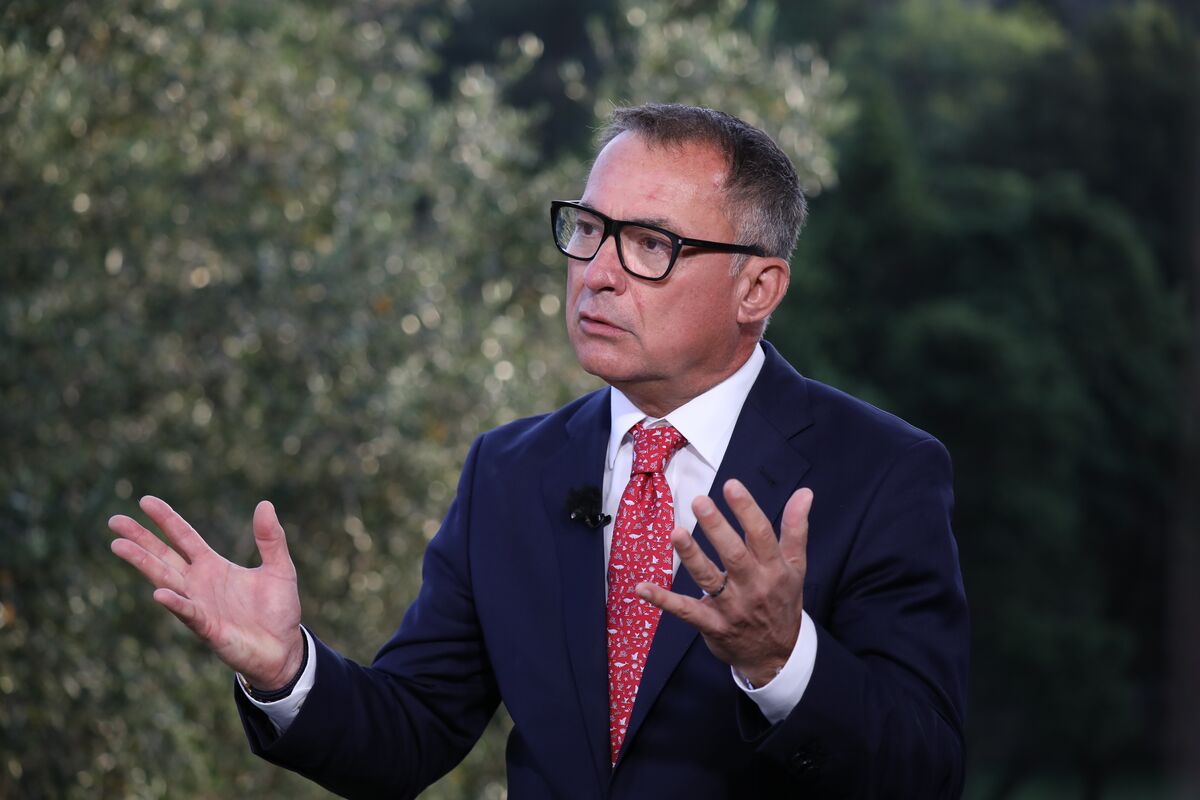
Bundesbank President Joachim Nagel has urged the European Central Bank (ECB) to maintain a 'steady hand' on interest rates, advocating for caution in future monetary policy decisions, according to Handelsblatt. Nagel suggested September as the appropriate time for the ECB to reassess its stance, signaling a potential pause or slowdown in rate adjustments. This call for prudence from a key Governing Council member could temper market expectations regarding the ECB's rate hike trajectory.
Bundesbank President Joachim Nagel has introduced a note of caution into the European Central Bank's monetary policy outlook, advocating for a 'steady hand' on interest rates. His specific proposal to 'reassess' the situation in September provides a clear timeline for a potential policy pivot or pause, signaling that future rate decisions are not on a pre-set course. As the head of Germany's central bank, Nagel is a highly influential, and typically hawkish, member of the ECB's Governing Council, making his call for prudence particularly significant. This statement suggests a shift towards a more data-dependent approach after the summer and could temper market expectations for a prolonged and aggressive hiking cycle, reflecting a nuanced view on balancing inflation control with economic stability.
AI-powered research, real-time alerts, and portfolio analytics for institutional investors.
Request DemoOverall Sentiment
neutral
Sentiment Score
0.00
