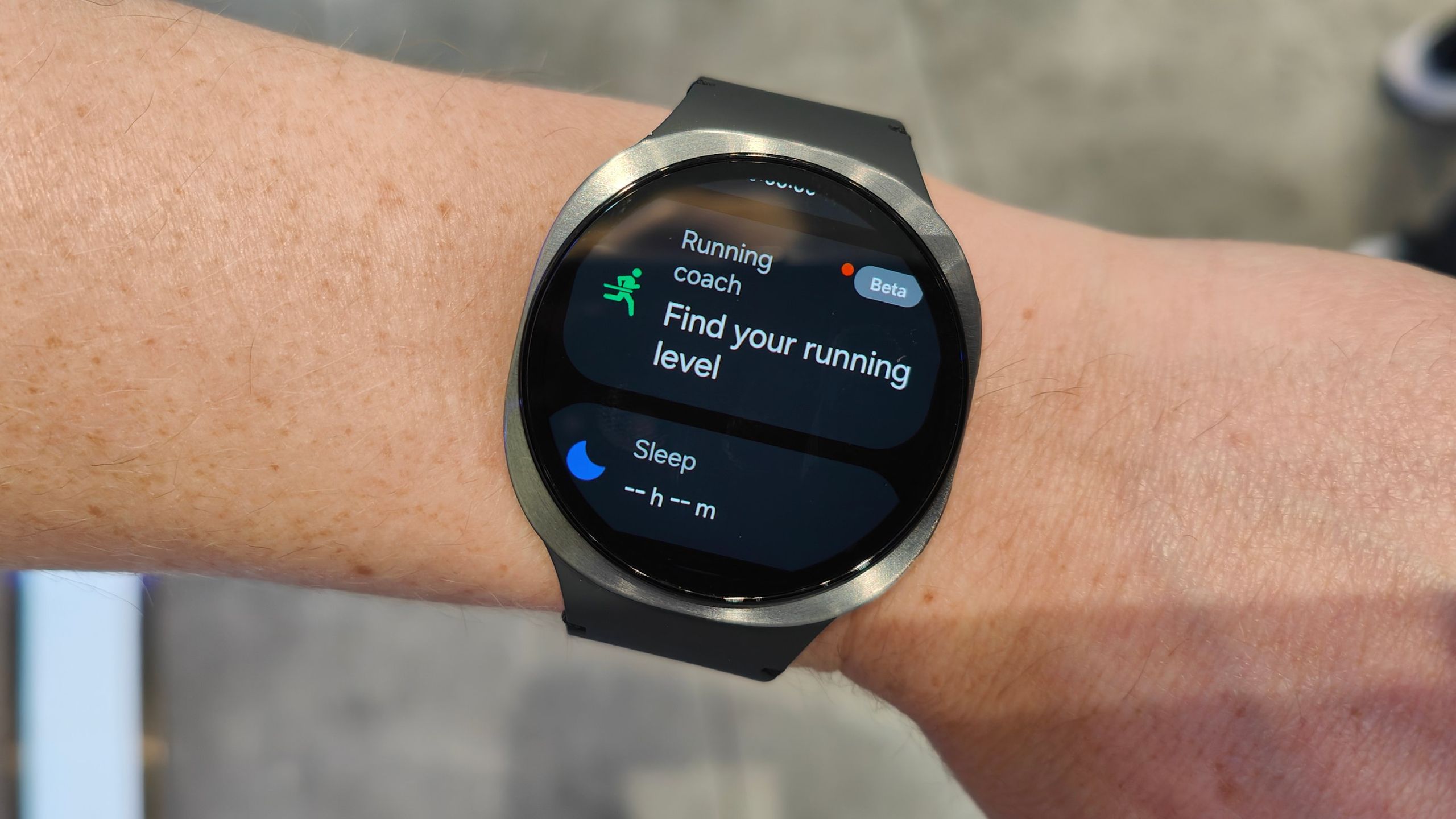
A leaker found a serial number on Samsung's Checkfirm testing server suggesting the Galaxy Watch9 has finished development and entered testing, pointing to a likely July–August launch at Samsung's Unpacked event. The Watch9 is expected to be an incremental update to the Watch8 rather than a major redesign, retaining AI-powered running-coach features that could increase competitive pressure on Garmin in the premium wearables segment. This is a product-cycle update with limited immediate revenue implications but potential to support Samsung's wearable market position.
Samsung’s next flagship wearable ramps the competitive intensity in the mid/high-end running-watch segment, and the immediate structural pressure is on Garmin’s casual-runner overlap rather than its dedicated multisport base. Expect share shifts to happen through distribution (holiday replenishment cycles) and software lock-in: an AI coach that measurably reduces training friction will convert lower‑engagement users quickly, producing churn among Garmin’s lower‑ARPU customers within 3–9 months.
Second‑order supply effects matter: on‑device AI increases demand for higher‑end application processors, NPU silicon, and more accurate optical/IMU sensors — a modest boost to chip vendors that can supply power‑efficient NPUs and to sensor makers that win design wins; conversely, legacy low‑power MCU suppliers used in basic fitness trackers see pricing pressure. Retail merchandising and carrier bundle strategies will determine uptake rates — a strong carrier or carrier‑like retail push can compress Garmin’s direct‑to‑consumer economics faster than a pure product win alone.
Risks and catalysts are concentrated and near term: product reviews and initial channel sell‑through (0–3 months post‑launch) will be binary for market share narrative; Garmin can blunt the attack via price/promotional response, software updates, or enhancing mapping/triathlon features, limiting downside. Tail risks include battery‑life regressions that shift buyer preference back to Garmin and component shortages that boost Samsung’s wholesale ASP and reduce upgrade velocity.
Consensus underestimates segmentation: Garmin’s core users value battery, mapping and multisport telemetry more than an AI running coach, so any material equity move should be sized small and event‑driven rather than a long‑term single‑name short.
AI-powered research, real-time alerts, and portfolio analytics for institutional investors.
Request DemoOverall Sentiment
mildly positive
Sentiment Score
0.28
Ticker Sentiment
