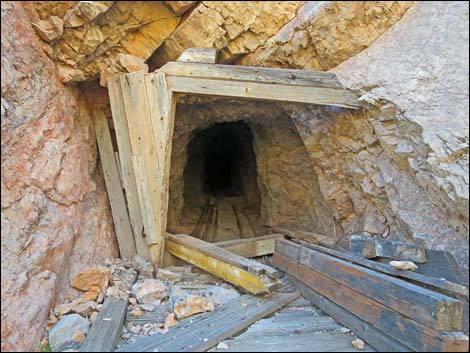
Germanium Mining Corp. has engaged veteran geologist William Feyerabend and Amazona Enterprises to conduct a maiden reconnaissance and exploration program at the Azure Ridge historical mine in Nevada, targeting germanium and gallium with field work planned for late‑2025 to early‑2026 to support an eventual NI 43‑101 technical report. The short-duration program will include detailed reconnaissance, geological observations and selective rock sampling informed by historical USBM/USGS data (43 samples) that reported anomalous Ge, Ga and base metals over a ~5,000 ft trend; the company is also evaluating regulatory submissions and potential site refurbishment options. Historical data are treated as non‑NI 43‑101‑verified and the program is primarily preparatory and exploratory, with no production or financing metrics disclosed.
Market structure: This reconnaissance program is a classic early-stage upstream signal that primarily benefits Germanium Mining Corp. (EMSKF) and service providers (Amazona, contract geologists) via newsflow and optionality. It does not move macro germanium/gallium markets—meaning any material impact on prices would require a multi-kiloton, high-grade resource and multiple years; expect only idiosyncratic equity volatility (±10–40%) around assays and NI 43‑101 milestones over 6–24 months.
Risk assessment: Key tail risks are data quality/verification (historical USBM/USGS work not NI 43‑101), permitting/environmental liabilities at an old mine, and aggressive dilution if capital is raised—each could destroy >75% equity value. Time windows: immediate (days) = press-release pump; short (1–6 months) = field program and assays; long (12–36+ months) = resource estimate, permitting, potential federal critical‑minerals funding. Watch for a failed assay, a >50% increase in share count, or an adverse EPA/state finding as crash triggers.
Trade implications: Direct play = small, staged long in EMSKF (speculative 2–3% portfolio) sized for binary outcomes; avoid leverage. Pair trade = long EMSKF (2%) vs short 0.5–1% of broad junior miners ETF (e.g., GDXJ) to hedge precious‑metals beta. Options: if liquid, prefer 12–24 month call spreads to cap downside; otherwise buy stock and set hard stop-losses. Sector tilt = increase exposure to specialty critical‑minerals juniors but reduce generic gold/miners beta by ~1–2%.
Contrarian angles: Consensus treats this as routine exploration — missing is scarcity: primary germanium supply is small and concentrated (few producers), so a credible multi‑1000 t Ge discovery would rerate valuation by multiples. Historical parallel: many early‑stage base/critical metal juniors spike on reconnaissance then collapse on dilution; therefore size positions for binary outcomes and require assays showing continuous intercepts of several hundred ppm Ge over metre widths and prospect area >10s kt before re‑rating.
AI-powered research, real-time alerts, and portfolio analytics for institutional investors.
Request DemoOverall Sentiment
mildly positive
Sentiment Score
0.25
Ticker Sentiment
