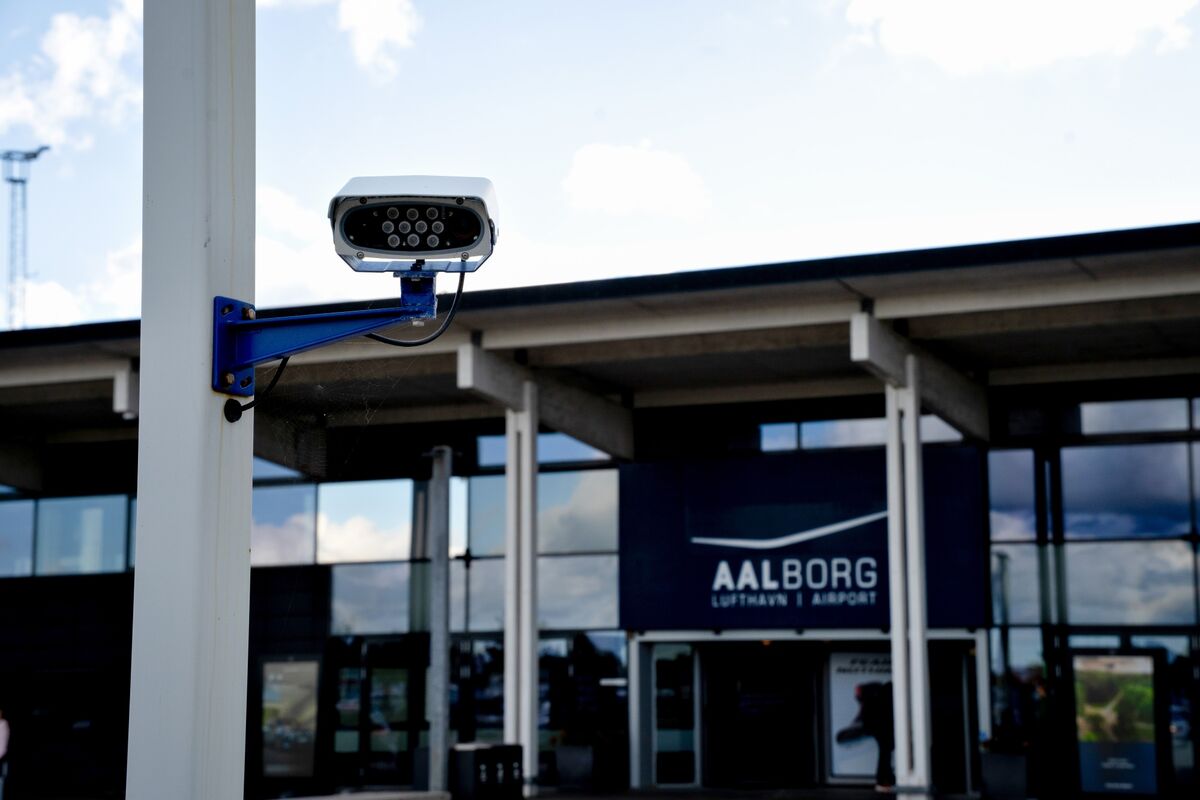
Denmark is significantly bolstering its drone defenses ahead of a European leaders' summit in Copenhagen, following a recent eight-minute airspace closure over Aalborg airport due to suspected drone activity. This incident, part of a week of continuous suspected sightings, highlights escalating security concerns and potential operational disruptions in the region, warranting attention from investors monitoring geopolitical stability and infrastructure resilience.
Denmark is escalating its defensive posture, specifically against drone threats, in response to a suspected drone intrusion that prompted an eight-minute airspace closure over Aalborg airport. This incident, occurring amid a week of continuous sightings, underscores heightened security sensitivities ahead of a European leaders' meeting in Copenhagen. The event points to a growing vulnerability of critical national infrastructure to low-cost aerial threats, elevating operational risks for sectors reliant on airspace, such as aviation and logistics. The cautious official response, reflected in the negative sentiment score, signifies a tangible increase in regional geopolitical tension and security concerns, placing a spotlight on the need for enhanced infrastructure resilience and counter-drone capabilities.
AI-powered research, real-time alerts, and portfolio analytics for institutional investors.
Request DemoOverall Sentiment
moderately negative
Sentiment Score
-0.45
