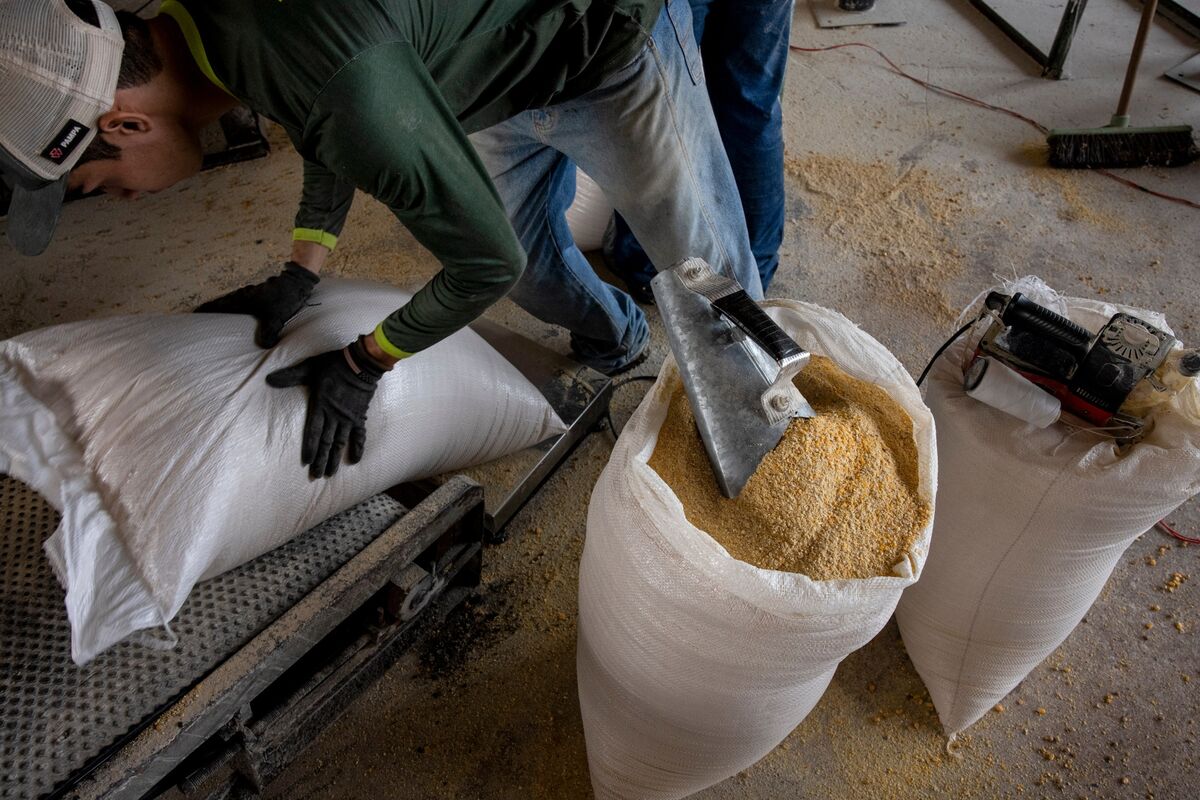
Escalating tensions in the Middle East, particularly between Israel and Iran, are raising concerns over global fertilizer supplies, with nearly half of the world's urea shipments originating from the region. The potential closure of the critical Strait of Hormuz export channel due to the conflict poses a significant threat to agricultural commodity markets and global food security by disrupting the supply of this essential nitrogen-based fertilizer.
Heightened geopolitical tensions between Israel and Iran introduce a significant risk to the global agricultural supply chain, specifically concerning the availability of nitrogen-based fertilizers. According to a Rabobank report, the Middle East is a critical hub, accounting for nearly half of the world's urea shipments. The primary vulnerability stems from the potential closure of the Strait of Hormuz, a crucial maritime chokepoint for these exports. Any disruption to this channel would directly impact the supply of fertilizer essential for grain and other key crop cultivation, creating upward pressure on agricultural commodity prices and raising material concerns for global food security. The situation underscores the fragility of concentrated supply chains when exposed to regional conflicts.
AI-powered research, real-time alerts, and portfolio analytics for institutional investors.
Request DemoOverall Sentiment
strongly negative
Sentiment Score
-0.75
