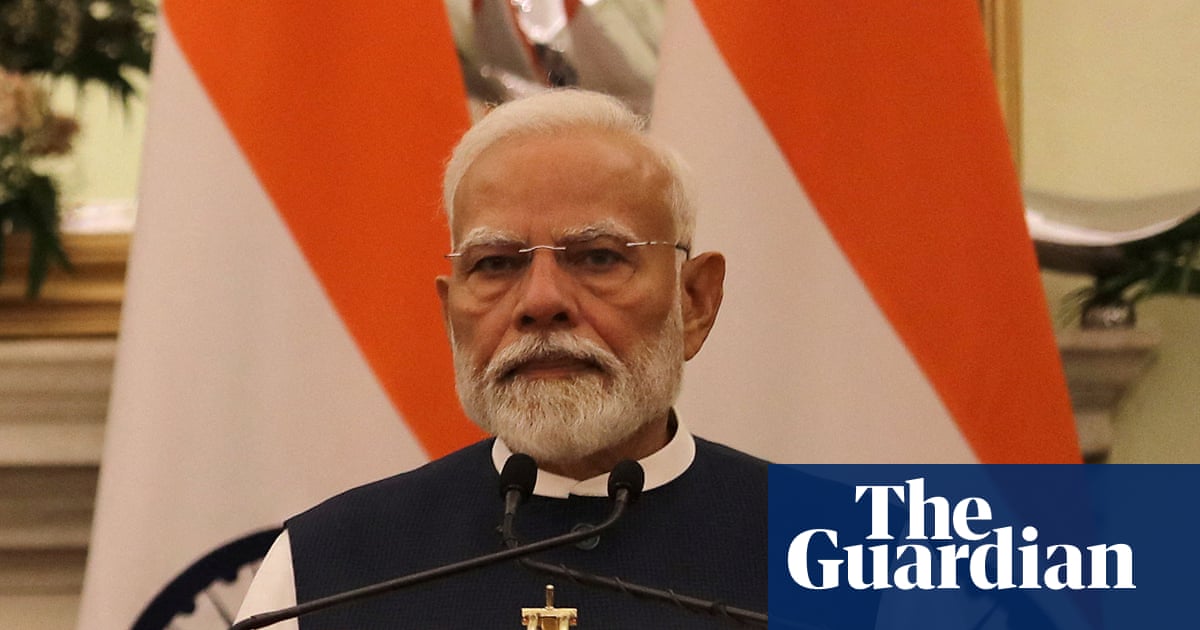
The U.S. has imposed an additional 25% tariff on Indian exports, bringing the total to 50%, citing India's continued purchase of Russian oil. India, led by Prime Minister Narendra Modi, has responded defiantly, branding the tariffs 'unfair' and 'unjustified' while reaffirming its commitment to protecting its agricultural sector from U.S. imports and maintaining strategic autonomy. This escalating trade dispute, described as the most serious public rift in years, is expected to significantly impact India's $87 billion exports to the U.S., particularly in sectors like textiles and auto-components, potentially disadvantaging India against regional competitors. Analysts suggest India should consider lowering its own tariffs to enhance global competitiveness and diversify trade.
A significant escalation in US-India trade tensions has occurred, with the US imposing a cumulative 50% tariff on Indian exports, citing India's continued procurement of Russian oil. This measure jeopardizes a substantial portion of India's $87 billion export market to the US, its largest trading partner. According to the Federation of Indian Export Organisations, approximately 55% of shipments will be impacted, posing a severe setback for key sectors including textiles, ready-made clothing, auto-components, steel, and gems. The move places India at a material competitive disadvantage against regional rivals such as Vietnam and Bangladesh. The Indian government, led by Prime Minister Narendra Modi, has adopted a defiant stance, labeling the tariffs "unfair" and vowing not to compromise on core principles, particularly the protection of its agricultural sector from US demands for GM crop and duty-free dairy imports. This represents the most serious public rift between the two nations in years, characterized by a more coercive approach from Washington. While experts believe neither side benefits from a complete rupture and will likely seek a diplomatic off-ramp, the immediate outlook is pessimistic. Some analysts suggest that rather than retaliating with equivalent tariffs, India's optimal long-term strategy may be to lower its own historically high tariffs to improve global competitiveness and diversify its trade relationships beyond the US.
AI-powered research, real-time alerts, and portfolio analytics for institutional investors.
Request DemoOverall Sentiment
strongly negative
Sentiment Score
-0.75
