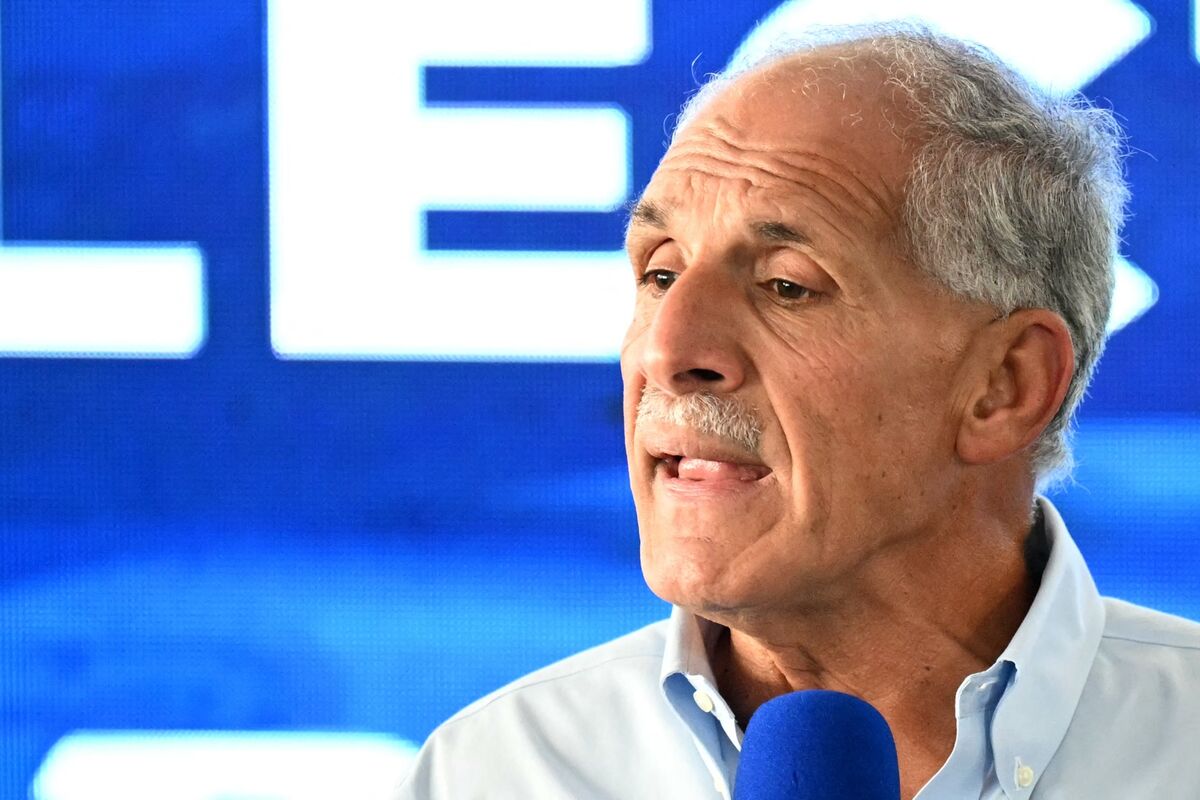
With about 67% of ballots tallied in Honduras, Salvador Nasralla holds 40.1% versus Trump-backed Nasry Asfura at 39.7%, a gap of fewer than 9,000 votes. The razor-thin margin and high-profile U.S. political involvement — including former President Trump labeling Nasralla a "borderline communist" — point to near-term political uncertainty that could affect investor sentiment and policy expectations in the country.
Market structure: A Nasralla lead (perceived leftward shift) raises political-risk premia for Honduras-specific assets (sovereign bonds, local-currency loans, mining/energy concessions) and benefits safe-haven USD and US Treasuries in the near term. Expect immediate FX pressure on the lempira (HNL) and widening of Honduras CDS and USD sovereign bond spreads by a measurable amount (likely +50–200bps in stressed scenarios), while regional EM ETFs see small outflows. Commodity/soft-supply impacts are indirect; only miners with direct Honduran assets face real re-pricing risk.
Risk assessment: Tail risks include a contested result or street violence that triggers capital controls, prolonged aid suspension from the US, or rapid contract renegotiations of extractive concessions — each could wipe out equity value in affected assets in weeks. Time horizons: immediate (days) = FX/FX forwards volatility and CDS moves, short-term (weeks–months) = bond re-pricing and FDI re-assessments, long-term (quarters–years) = policy changes that alter tax/regulatory regimes and investor returns. Hidden dependencies: US administration response and remittance flows (remittances ≈25–30% of Honduras private inflows) are high-leverage variables.
Trade implications: Tactical trades: buy USD and US-duration as a hedge (UUP, IEF/TLT) for 1–3 months; selectively hedge EM sovereign exposure via EMB puts if spreads widen >30–50bps. Avoid concentrated frontier/Honduras exposure; use options to cap downside: buy 1-month put spreads on EMB (roll if realized volatility >25%). Rotate modestly from frontier EM to Latin American large-cap exporters (EWW) and global staples (XLP) to lock in carry while reducing political tail.
Contrarian angles: Consensus may overstate contagion — Honduras is small (GDP ~0.02% global), so a >100bp shock to broad EM is unlikely and a 5–10% sell-off in EMB or EEM would likely present a buying opportunity. Historical parallels (narrow contested Central American elections) show normalization within 1–3 months once aid/recognition paths clear. Unintended consequences: aggressive shorting could force a liquidity vacuum, creating outsized snapback rallies when final counts stabilize.
AI-powered research, real-time alerts, and portfolio analytics for institutional investors.
Request DemoOverall Sentiment
neutral
Sentiment Score
0.00
