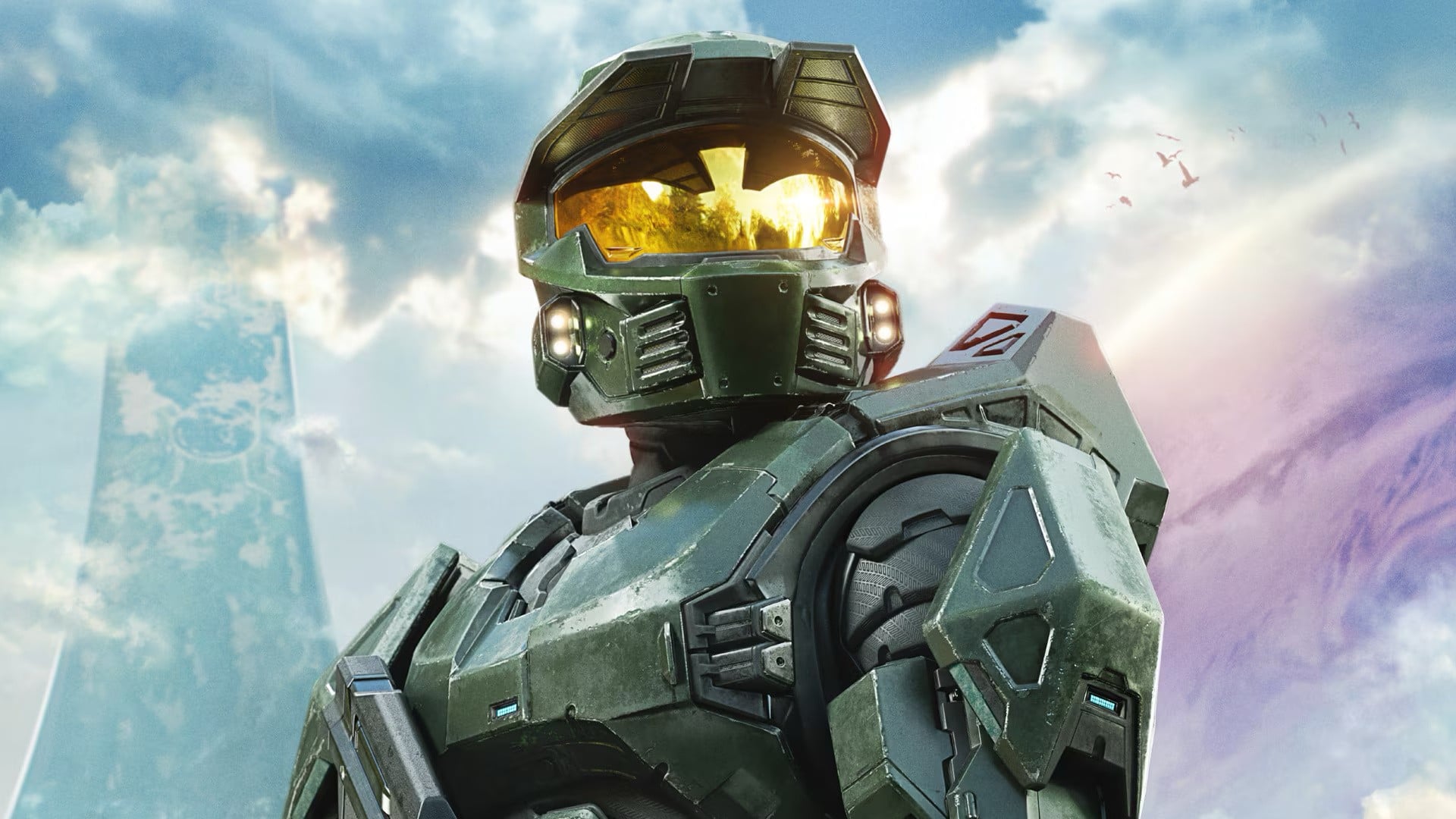
Microsoft's Xbox is publishing a full remake of the original Halo campaign—Halo: Campaign Evolved—on PlayStation 5 for the first time, targeting a 2026 release and built on Unreal Engine 5. The PS5 version features four-player online co-op and crossplay but omits competitive multiplayer, a detail that has elicited mixed reactions from players. For investors, the move signals a strategic shift away from strict platform exclusivity that could modestly expand Halo's addressable audience and lifetime monetization potential, while also representing a competitive dynamic between Microsoft and Sony rather than a material near-term earnings driver.
Market structure: Microsoft (MSFT) is the direct winner—making Halo available on PS5 expands addressable market and monetization (one-off sales + funnel into Game Pass/Game Pass Ultimate) and should lift software revenue modestly (estimate +$0.2–$0.5bn ARR potential over 12–24 months if ports convert 1–3% of Sony’s 100m+ install base). Sony (SONY) nets a smaller win via engagement and possible software-adjacent revenue uplift, but loses a marginal console differentiation point; expect console-driven share shifts of only ~1–3% versus prior exclusivity norms.
Risk assessment: Tail risks include a poor technical port or negative reviews (Metacritic <70) that damage franchise IP and depress conversion to ongoing monetization—this would meaningfully impact MSFT's halo effect on Game Pass over 12 months. Regulatory risk (antitrust scrutiny of cross-licensing) is low-medium but watch headlines ahead of major showcases; key timeframes: immediate (days) minimal trading moves, short-term (0–6 months) sentiment swings around previews/reviews, long-term (2026–2028) impact on recurring revenue. Hidden dependency: success hinges on cross-promotional mechanics (Game Pass incentives, DLC, MCC availability) and pricing (if price >$40 adoption may drop >20%).
Trade implications: Primary actionable is asymmetric long exposure to MSFT via defined-risk options and modest directional exposure to SONY equity—both benefit if Xbox’s platform-agnostic strategy monetizes. Avoid long-only positions in companies dependent on console-exclusive scarcity; consider reducing exposure to retail/hardware-dependent plays. Catalysts to trade around: Xbox/PlayStation showcases (next 6–12 months), first technical reviews, and Game Pass subscriber trends (quarterly results).
Contrarian angle: Consensus frames this as a Sony win; contrarily MSFT captures higher-margin software monetization without carrying hardware cost—if Microsoft ports 3+ blockbuster titles to PS within 12 months, the market will underappreciate recurring revenue lift and re-rate MSFT upward. The crowd underestimates sensitivity to technical quality—if benchmarks show poor performance, short-term sell-offs (10–20%) are plausible; conversely, strong performance + integration with Game Pass could drive +10–20% upside for MSFT over 12 months.
AI-powered research, real-time alerts, and portfolio analytics for institutional investors.
Request DemoOverall Sentiment
mildly positive
Sentiment Score
0.18
Ticker Sentiment
