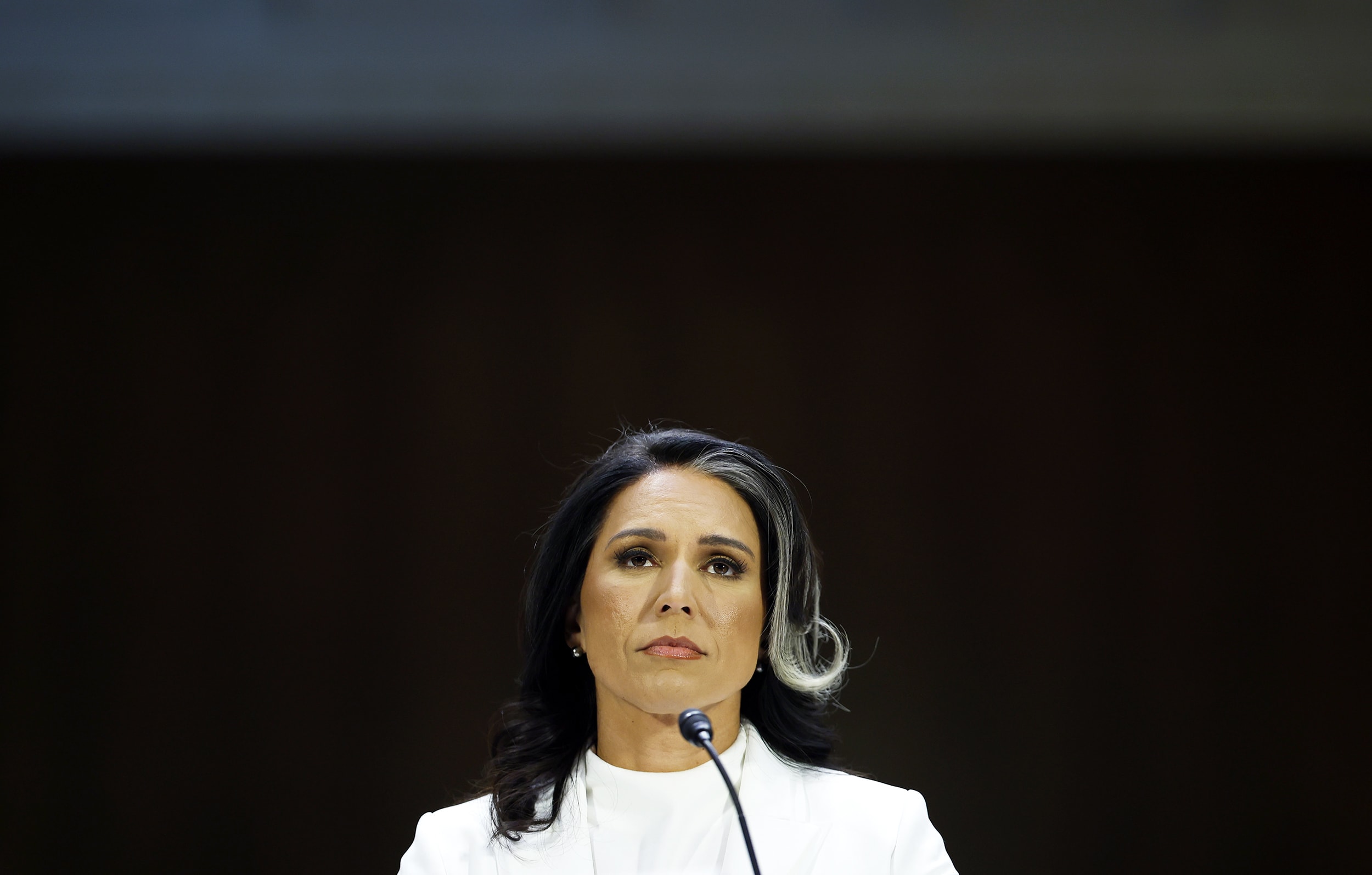
A whistleblower complaint alleging wrongdoing by Director of National Intelligence Tulsi Gabbard was heavily redacted when shown to key lawmakers, with the administration citing presidential executive privilege to withhold the underlying classified intelligence. The complaint—filed in May and legally required to be shared within 21 days—was only provided in redacted form roughly eight months later; the whistleblower alleges Gabbard limited agency access and took sensitive information to the White House, implicating a phone call tied to Jared Kushner. The dispute has prompted congressional intelligence committee inquiries into who asserted privilege and on what grounds, raising governance and political-risk considerations for oversight and potential legislative responses.
Market structure: Political/IC (intelligence community) scandals are a net positive for visible defense and cybersecurity vendors because they raise near-term risk-premia and talking-head narratives around “hardening” and oversight spending. Expect a 3–8% bid in prime defense contractors (LMT, NOC, LHX) and 5–12% in listed cybersecurity names (PANW, CRWD, ZS) on sustained headlines over 1–3 months; FX flows should show modest USD safe-haven strength (~10–25bp in 2s/10s inversion shifts) during headline spikes.
Risk assessment: Tail risks include escalation into formal Congressional investigations or restricted access to classified programs that could delay contract awards (low-probability but 10–30% revenue disruption for specific programs). Immediate (days) risk = headline volatility; short-term (weeks–months) = re-rating of defense/cyber multiples by ±10–20%; long-term (quarters) = policy shifts around IC independence that could structurally change procurement timelines.
Trade implications: Direct plays favor 3–6 month overweight in large-cap defense (LMT, NOC) and cybersecurity (CRWD, PANW) with strict stop-loss; pair trades could be long NOC vs short Russell 2000 (IWM) to capture defense safety premium. Option strategies: buy 3-month call spreads on LMT/NOC to cap cost, and buy 1-month puts on IWM as a hedge for headline shocks. Rotate out of high-beta consumer discretionary into infrastructure/defense over next 4–12 weeks.
Contrarian view: Consensus expects persistent political contagion, but historical precedents (past DNI controversies) show revenues for prime contractors rarely collapse; upside may be underpriced. However, politicization could also trigger program cancellations — size positions to capture a 10–15% upside while limiting drawdowns to 5–7% with option hedges.
AI-powered research, real-time alerts, and portfolio analytics for institutional investors.
Request DemoOverall Sentiment
mildly negative
Sentiment Score
-0.25
