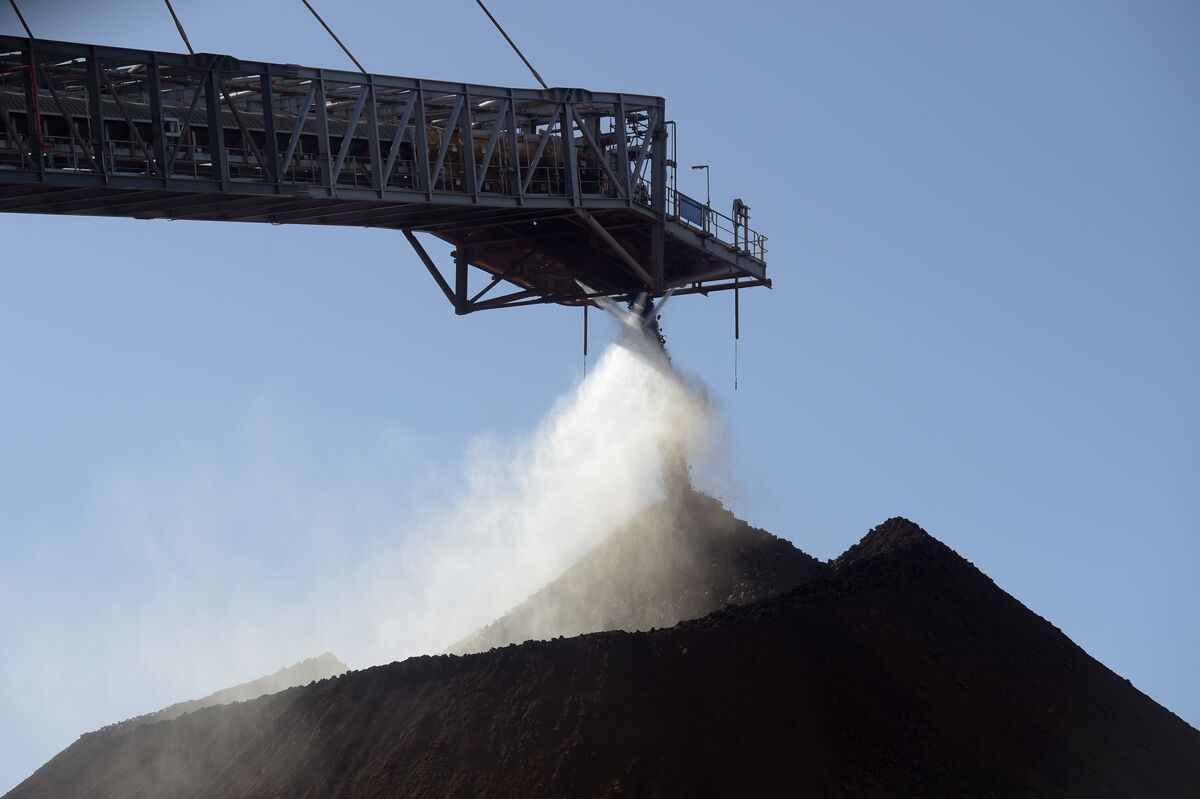
Rio Tinto Group and Gina Rinehart's Hancock Prospecting Ltd. are partnering to develop the $1.6 billion Hope Downs 2 iron ore mine in Australia's Pilbara region. This equally-shared venture, with all regulatory approvals secured, is projected to produce 31 million tons of iron ore annually starting in 2027, significantly expanding supply from a key global mining hub.
Rio Tinto Group is advancing a significant, long-term growth project in its core iron ore division through a 50/50 joint venture with Hancock Prospecting to develop the Hope Downs 2 mine. This partnership structure effectively de-risks the $1.6 billion project for Rio Tinto by halving its capital expenditure commitment while securing access to an additional 31 million tons of annual production capacity. The project's timeline, with first ore anticipated in 2027, provides clear visibility into future supply growth from the critical Pilbara region. Crucially, the announcement confirms all regulatory and environmental approvals are in place, mitigating a primary source of execution risk common to major mining developments. Furthermore, the plan to integrate the new pits into existing infrastructure suggests a capital-efficient approach that could yield cost and operational synergies, reinforcing the project's favorable fundamentals.
AI-powered research, real-time alerts, and portfolio analytics for institutional investors.
Request DemoOverall Sentiment
strongly positive
Sentiment Score
0.75
Ticker Sentiment
